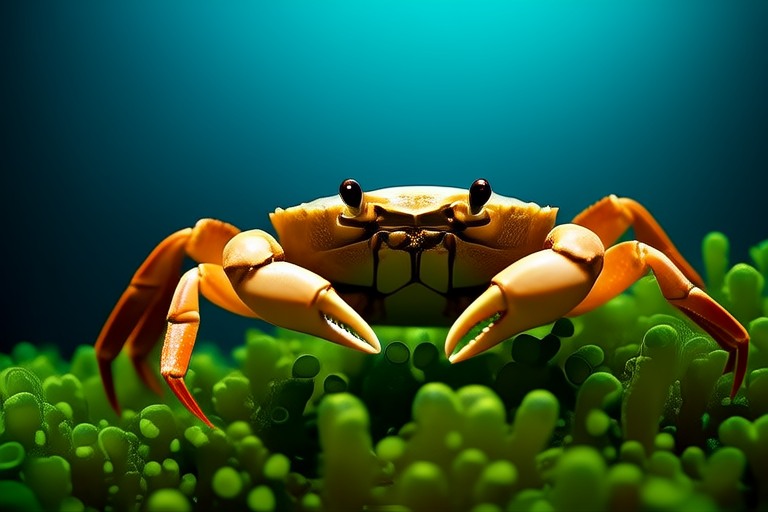
Pea Crab: The Tiniest Crustacean with a Giant Personality
Welcome to the fascinating world of the pea crab! Despite being one of the smallest crabs in existence, this tiny crustacean has a giant personality that makes it stand out in the vast ocean. In this article, we will explore the remarkable features of the pea crab, from its diminutive size to its complex relationships with other marine organisms. Get ready to dive into the intriguing life of these minuscule yet mighty creatures.
A Tiny Titan
The pea crab (Pinnotheres spp.) is aptly named for its size, which can range from a mere 4 millimeters to about 3 centimeters in length. That’s smaller than most coins you carry around in your pocket! Despite their petite stature, these crabs pack quite a punch when it comes to personality. Their delicate appearance belies a surprisingly bold and resourceful nature, allowing them to thrive in some of the most challenging environments.
Habitat and Adaptations
Pea crabs are found in various habitats across the globe, from shallow coastal waters to deep-sea environments. They often reside within the shells of bivalves, such as mussels, oysters, and scallops. This unique living arrangement provides them with protection, camouflage, and access to food. Pea crabs have adapted to live inside their hosts by developing elongated claws and flexible bodies that allow them to squeeze through narrow openings.
In addition to their host-dependent lifestyle, pea crabs have evolved other remarkable adaptations. For instance, they possess specialized gills that enable them to extract oxygen from the surrounding water more efficiently. This adaptation is crucial for their survival, as they spend most of their lives enclosed within the confines of their host’s shell. Furthermore, pea crabs have developed strong pincers to fend off potential predators and secure their position within the host.
Symbiotic Relationships
The pea crab’s relationship with its host is a classic example of mutualism, a type of symbiotic relationship where both organisms benefit. While the pea crab gains shelter and sustenance from its host, the host also benefits from the presence of the crab. Pea crabs consume parasites and detritus that could harm their hosts, thus contributing to the overall health of the bivalve. Additionally, the movement of the pea crab’s legs helps to aerate the water around the host, improving its respiratory efficiency.
One particularly interesting aspect of the pea crab’s symbiotic relationship is its ability to influence the reproductive cycle of its host. Female pea crabs have been observed to stimulate the release of eggs from their hosts, ensuring a steady supply of food for themselves and their offspring. This interaction highlights the intricate balance between the two species and underscores the importance of their relationship in maintaining the ecosystem.
Behavior and Reproduction
Pea crabs exhibit a range of behaviors that reflect their resourcefulness and adaptability. One of the most notable aspects of their behavior is their ability to navigate and manipulate their environment. These tiny crabs are adept at finding and entering the shells of their hosts, a process that requires precision and determination. Once inside, they establish themselves by creating a comfortable niche within the shell, often using materials such as sand or debris to reinforce their position.
Reproduction in pea crabs is a fascinating process that involves both males and females. During mating season, male pea crabs engage in elaborate courtship displays to attract females. These displays may include waving their claws, tapping on the shell of the host, or even releasing pheromones to signal their readiness to mate. Once a pair has formed, the female carries the fertilized eggs beneath her abdomen until they hatch. The newly hatched larvae then disperse into the water column, where they will eventually find a suitable host and begin their own lifecycle.
Threats and Conservation
Despite their resilience and adaptability, pea crabs face several threats in their natural environment. Habitat destruction, pollution, and overfishing pose significant challenges to their survival. The degradation of coastal ecosystems, such as mangroves and seagrass beds, can lead to a decline in the availability of suitable hosts for pea crabs. Additionally, the introduction of invasive species can disrupt the delicate balance of the ecosystem, further endangering the pea crab population.
To address these threats, conservation efforts focus on protecting and restoring critical habitats, reducing pollution, and promoting sustainable fishing practices. By taking steps to preserve the environment in which pea crabs live, we can help ensure the continued survival of these remarkable creatures. Additionally, raising awareness about the importance of pea crabs and their role in the ecosystem can inspire action and encourage responsible stewardship of our oceans.
Conclusion
The pea crab may be one of the smallest crabs in existence, but its personality and impact on the marine world are anything but insignificant. From their unique adaptations to their symbiotic relationships with other organisms, these tiny crustaceans have much to teach us about resilience, cooperation, and the interconnectedness of life. Whether you’re a seasoned marine biologist or simply curious about the wonders of the ocean, the pea crab is sure to captivate and inspire.
Next time you come across a mussel or oyster, take a moment to imagine the tiny world within. You might just discover a pea crab, living large in its miniature realm. Who knows? You might even spot a bit of personality that belies its small size. After all, sometimes the biggest personalities come in the smallest packages.
