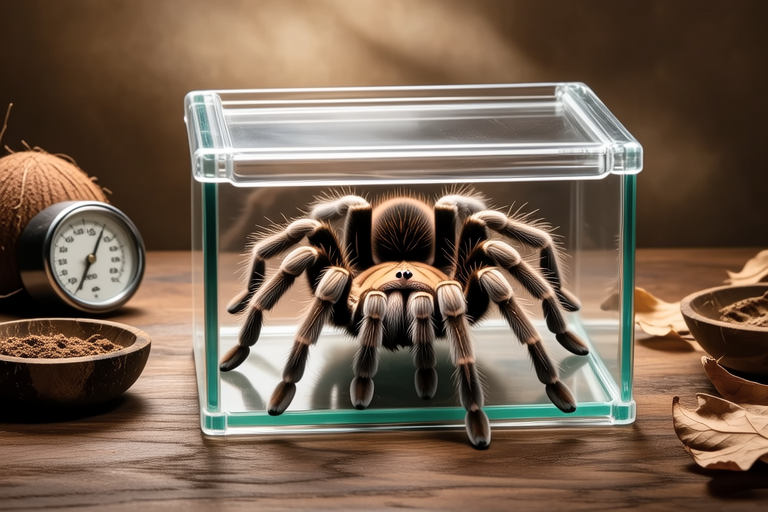
The Ultimate Chilean Rose Tarantula Care Sheet for First-Time Owners
Welcome to the world of tarantulas! If you’re considering adopting a Chilean rose tarantula as your pet, you’ve come to the right place. This care sheet will guide you through everything you need to know to provide your new friend with a comfortable and healthy home.
Choosing Your Enclosure
When setting up an enclosure for your Chilean rose tarantula, it’s important to consider the size and type of tank that will best suit their needs. A 10-gallon tank is typically sufficient for an adult Chilean rose tarantula. However, if you plan on housing multiple tarantulas or want extra space for decorations, a larger tank can be beneficial.
Substrate is another crucial element of the enclosure. Use a mix of coconut fiber and vermiculite to create a deep layer that allows burrowing. The substrate should be at least three inches deep to allow your tarantula ample room to dig and create a comfortable den.
Temperature and Humidity Requirements
Chilean rose tarantulas thrive in temperatures ranging from 75°F to 85°F during the day, with nighttime temperatures dropping slightly to around 70°F. To maintain these temperatures, you can use under-tank heating pads placed on one side of the enclosure to create a temperature gradient. Ensure that the cooler side remains within the acceptable range to avoid stressing your tarantula.
Humidity levels should be kept between 60% and 80%. You can achieve this by misting the enclosure daily and ensuring there is always a water dish available. However, be cautious not to over-mist, as excessive moisture can lead to mold growth and respiratory issues.
Diet and Feeding
Feeding your Chilean rose tarantula is straightforward but requires attention to detail. They primarily eat crickets, mealworms, and other small insects. Offer food every five to seven days, depending on the size and age of your tarantula. It’s essential to gut-load the feeder insects with nutritious food before offering them to your tarantula. This ensures that your pet receives optimal nutrition.
Always remove uneaten prey after 24 hours to prevent stress or injury to your tarantula. Providing live food allows your tarantula to hunt naturally, which can help stimulate their instincts and keep them active.
Handling and Interaction Guidelines
Chilean rose tarantulas are generally docile and easy to handle, making them ideal pets for first-time owners. However, they can become stressed or defensive if mishandled. Always approach your tarantula slowly and gently, avoiding sudden movements that might startle them.
When handling your tarantula, use a soft, flat tool like a paintbrush to gently coax them out of their enclosure. Support their body fully and avoid grabbing or squeezing. Remember that tarantulas have urticating hairs, which they can release if they feel threatened. These hairs can cause irritation, so handle your tarantula with care.
Health Issues to Watch For
Monitoring your tarantula’s health is crucial for ensuring a long and happy life. Keep an eye out for signs of distress such as lethargy, loss of appetite, or unusual behavior. If you notice any of these symptoms, consult a veterinarian who specializes in exotic pets.
Molting is a natural process that occurs periodically throughout your tarantula’s life. During this time, your tarantula may stop eating and become more reclusive. Provide a humid environment and ensure they have plenty of substrate to burrow into. Once the molt is complete, check that all appendages are intact and properly shed. Any missing limbs can regrow over time.
Creating a Stimulating Environment
To keep your Chilean rose tarantula mentally and physically stimulated, provide hiding spots and climbing structures within the enclosure. Cork bark pieces, silk plants, and artificial caves make excellent additions. These items offer opportunities for exploration and hiding, enriching your tarantula’s environment.
In addition to physical enrichment, consider rotating the location of these items periodically to encourage curiosity and activity. This helps prevent boredom and promotes a healthier lifestyle for your pet.
Conclusion
Owning a Chilean rose tarantula can be a rewarding experience, but it comes with responsibilities. By following the guidelines outlined in this care sheet, you’ll be well-equipped to provide your tarantula with a safe, comfortable, and stimulating environment. Remember to educate yourself continuously about tarantula care and seek professional advice when necessary. With proper care, your Chilean rose tarantula can enjoy a long and fulfilling life as your loyal companion.
