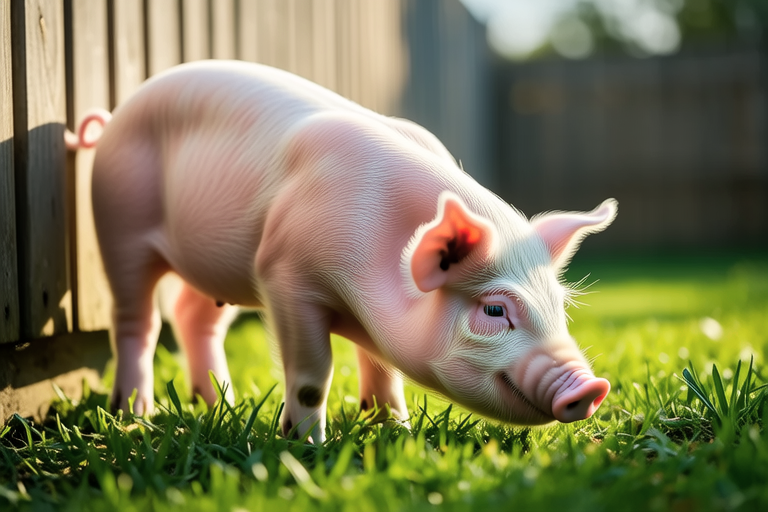
Beyond Pork: 10 Fascinating Facts About Your New Favorite Pet, the Mini Pig
Welcome to the delightful world of mini pigs! These charming creatures have captured the hearts of many pet lovers with their quirky personalities, intelligence, and unique traits. From their fascinating behaviors to their impressive intelligence, there’s so much more to learn about these captivating animals. In this article, we’ll explore ten fascinating facts about mini pigs that will deepen your appreciation for these delightful pets.
Fact 1: Mini Pigs Are Not Just Small Versions of Regular Pigs
Contrary to popular belief, mini pigs are not simply smaller versions of regular pigs. They belong to distinct breeds, such as the Juliana, Pot-bellied, and KuneKune, each with its own set of characteristics. Mini pigs are typically bred for their compact size, making them ideal companions for apartment dwellers or those with limited outdoor space. However, it’s important to note that even miniature pigs can grow quite large, with some reaching weights of up to 75 pounds. Proper research and preparation are crucial before adopting one of these adorable creatures.
Fact 2: Mini Pigs Are Highly Intelligent Animals
Mini pigs are incredibly intelligent, ranking among the smartest animals on the planet. Their cognitive abilities rival those of dogs and primates, making them quick learners. Many owners have trained their mini pigs to perform tricks, respond to commands, and even use litter boxes. This intelligence also means that mini pigs require mental stimulation to stay happy and healthy. Providing them with puzzles, toys, and interactive activities can help keep their minds sharp and prevent boredom-related behavioral issues.
Fact 3: Mini Pigs Have Unique Communication Methods
Mini pigs communicate through a variety of sounds and body language. They use grunts, squeals, and oinks to express themselves, from excitement to distress. For example, a soft grunting sound might indicate contentment, while a high-pitched squeal could signal fear or discomfort. Additionally, mini pigs use their ears, tails, and postures to convey messages. Learning to understand your mini pig’s vocalizations and body language can strengthen your bond and improve communication between you and your pet.
Fact 4: Mini Pigs Have Specific Dietary Needs
Feeding a mini pig is not as simple as providing unlimited food. Mini pigs are prone to obesity, which can lead to health problems such as joint pain, heart disease, and reduced lifespan. A balanced diet rich in fruits, vegetables, and high-quality pig feed is essential for maintaining optimal health. It’s important to consult with a veterinarian or animal nutritionist to determine the appropriate portion sizes and feeding schedule for your mini pig. Overfeeding, even with healthy foods, can be detrimental to their well-being.
Fact 5: Mini Pigs Require Plenty of Mental Stimulation
Mini pigs are naturally curious and playful animals that thrive on mental stimulation. Providing them with toys, puzzles, and opportunities for exploration can help keep them engaged and entertained. Interactive playtime with their owners is also beneficial for building a strong bond. Some popular toys for mini pigs include puzzle feeders, treat-dispensing balls, and chew toys designed specifically for pigs. By offering a variety of stimulating activities, you can help ensure that your mini pig remains mentally sharp and physically active.
Fact 6: Mini Pigs Have a Long History as Domesticated Animals
The domestication of pigs dates back thousands of years, with evidence suggesting that humans began keeping pigs as early as 9000 BCE. Over time, various breeds have been developed for different purposes, including meat production, labor, and companionship. Mini pigs, in particular, were originally bred in Southeast Asia as working animals but later became popular as pets due to their small size and friendly nature. Today, they are cherished by pet owners around the world for their affectionate demeanor and unique personalities.
Fact 7: Mini Pigs Can Be Litter-Trained
Unlike many other pet animals, mini pigs can be trained to use a litter box, making them convenient companions for indoor living. With patience, consistency, and positive reinforcement, most mini pigs can learn to use a litter box within a few weeks. To encourage successful litter training, place the litter box in a designated area and reward your pig with treats and praise when they use it correctly. It’s important to note that some mini pigs may take longer to train than others, so be patient and persistent.
Fact 8: Mini Pigs Need Regular Exercise
Despite their small size, mini pigs need plenty of exercise to maintain their physical and mental health. Daily walks, playtime, and opportunities for exploration are essential for keeping your mini pig active and engaged. Providing them with a safe outdoor space where they can run, dig, and explore is ideal. However, it’s important to supervise your mini pig during outdoor activities to ensure their safety and prevent them from wandering off. Indoor play areas equipped with tunnels, toys, and obstacles can also provide ample exercise opportunities.
Fact 9: Mini Pigs Are Social Creatures
Mini pigs are highly social animals that enjoy the company of both humans and other animals. They form strong bonds with their owners and often seek out attention and affection. Mini pigs can also get along well with other pets, such as dogs and cats, provided proper introductions are made and supervised interactions occur. It’s important to note that each mini pig has its own personality, so individual preferences may vary. Some mini pigs may prefer human companionship over interacting with other animals, while others may thrive in multi-pet households.
Fact 10: Mini Pigs Have Unique Physical Traits
Mini pigs possess several unique physical traits that set them apart from other animals. One of the most notable features is their snout, which is used for rooting and digging. Mini pigs use their snouts to search for food, dig in the ground, and explore their environment. Another distinctive trait is their curly tail, which adds to their endearing appearance. Additionally, mini pigs have a layer of subcutaneous fat that helps regulate their body temperature and provides insulation. Understanding these physical traits can help you better care for your mini pig and meet their specific needs.
In conclusion, mini pigs are fascinating and lovable pets that offer endless joy and companionship to their owners. From their intelligence and unique communication methods to their specific dietary needs and long history as domesticated animals, there’s always something new to discover about these delightful creatures. By providing proper care, mental stimulation, and a loving environment, you can ensure that your mini pig lives a happy and fulfilling life. Remember, owning a mini pig is a rewarding yet significant commitment, so make sure you’re prepared for the responsibilities that come with it.
