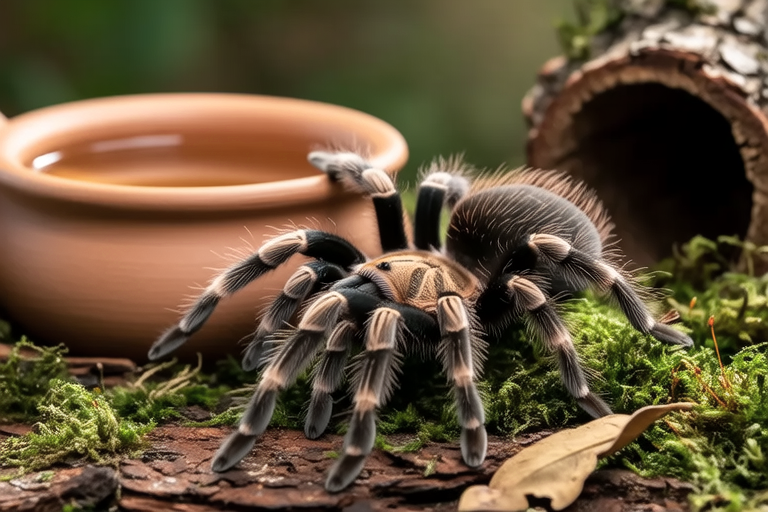
How to Care for a Pet Tarantula: A Complete Guide for Beginners
Welcome to your comprehensive guide on how to care for a pet tarantula! Whether you’re an aspiring arachnophile or just curious about these fascinating creatures, this guide will help you understand the basics of tarantula care, ensuring both you and your pet enjoy a safe and healthy relationship.
Choosing the Right Tarantula Species for Beginners
Not all tarantulas are created equal when it comes to care. Some species are more suited to beginner owners due to their docile nature and ease of care. Here are a few popular choices:
- Chilean Rose Hair Tarantula: Known for its pinkish hue and calm demeanor, this species is perfect for first-time owners.
- Brown Recluse: While not recommended for beginners, this spider is known for its recluse behavior and minimal interaction with humans.
- Red Knee Tarantula: This species is strikingly beautiful with red markings on its legs, and it’s relatively easy to care for.
Necessary Equipment
To ensure your tarantula thrives, you’ll need the right setup. Below are the essential items:
Enclosure
Your tarantula needs a secure enclosure that allows for proper ventilation while preventing escapes. Glass terrariums or plastic containers with secure lids work well.
Substrate
A layer of substrate at least two to three inches deep provides a natural environment for burrowing. Coconut fiber, peat moss, or vermiculite are popular choices.
Hides
Tarantulas appreciate dark, cozy spaces to retreat. Small, half-buried pots or cork bark pieces make excellent hides.
Temperature and Humidity Requirements
Maintaining the correct temperature and humidity levels is crucial for your tarantula’s health. Most species thrive in temperatures between 75-85°F (24-29°C) and humidity levels around 60-80%.
Use a hygrometer to monitor humidity and a thermometer for temperature. Adjust these conditions as needed by misting the enclosure or adding heating elements.
Feeding Guidelines
Feed your tarantula appropriately sized insects such as crickets, mealworms, or dubia roaches. Offer food every one to two weeks, depending on the size of your tarantula. Remove any uneaten prey after 24 hours to prevent overfeeding.
It’s important to dust the food with calcium and vitamin supplements to ensure your tarantula gets all the nutrients it needs.
Handling Tips
While tarantulas can be handled, it’s crucial to do so safely. Always wash your hands before and after handling to avoid transferring oils or chemicals that could harm your pet. Gently place your hand in front of the tarantula and allow it to climb aboard if it feels comfortable doing so.
Never handle a tarantula if it’s molting or appears stressed. These times are especially sensitive for your pet.
Health Issues to Watch For
Regular observation can help catch potential health problems early. Look out for signs like lethargy, refusal to eat, or unusual behaviors. Common issues include mites, infections, and difficulty shedding during molting.
If you notice any concerning symptoms, consult a veterinarian who specializes in exotic pets for guidance.
General Care Advice
Provide fresh water in a shallow dish, but ensure it doesn’t become stagnant. Change the water regularly and clean the dish to prevent bacterial growth.
Keep the enclosure away from direct sunlight and drafts. A quiet, stable environment is best for your tarantula.
Lastly, remember that tarantulas have a long lifespan, often exceeding 10 years. Committing to their care is a significant responsibility.
Safety and Ethical Considerations
Always prioritize your safety and the welfare of your pet. Handle your tarantula with care, and never force interactions. Respect your pet’s space and behavior. Ethical ownership involves providing a safe, enriched environment and meeting all of your tarantula’s needs.
By following this guide, you’ll be well on your way to becoming a responsible and knowledgeable tarantula owner. Enjoy the unique bond you’ll share with your eight-legged friend!
