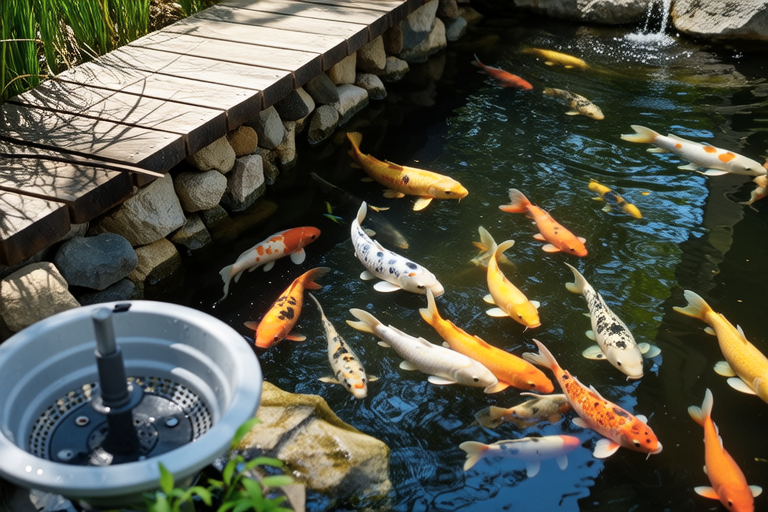
How to Create an Oasis for Your Koi: Essential Tips for a Thriving Pond
Welcome to the world of koi keeping! Creating an oasis for your koi requires careful planning and ongoing attention. This guide will walk you through essential steps to ensure your pond is a thriving environment for your colorful, graceful fish.
Selecting the Right Location for the Pond
The first step in building your koi pond is choosing the right location. Opt for a spot that receives partial sunlight, ideally with morning sun and afternoon shade. Full sunlight can heat the water excessively, leading to temperature stress for your koi. Additionally, ensure the area is flat to prevent water from draining away or pooling unevenly. Consider proximity to your home for easy access to electricity and water sources, and make sure it’s far enough from trees to minimize leaf litter in the pond.
Choosing Appropriate Koi Varieties
When selecting koi, consider their size, color, and temperament. Common koi types include the Kohaku, Sanke, and Showa, each distinguished by unique patterns and colors. For beginners, start with hardy varieties like the Tancho, which are easier to maintain. Remember, larger koi need more space, so plan accordingly. Always buy healthy fish from reputable breeders, and quarantine new additions for a few weeks before introducing them to your main pond to prevent disease transmission.
Maintaining Water Quality
Water quality is crucial for your koi’s health. Regularly test the water for pH, ammonia, nitrite, and nitrate levels. A stable pH between 7.2 and 8.0 is ideal for most koi. Ammonia and nitrite should be at zero, while nitrates should remain below 50 ppm. Use a dechlorinator when adding tap water to neutralize harmful chemicals. Regular water changes (about 10% weekly) help maintain optimal conditions.
Ensuring Proper Filtration Systems
A well-designed filtration system is key to a healthy pond. It should handle biological, mechanical, and chemical filtration. Biological filtration relies on beneficial bacteria to break down waste into less harmful substances. Mechanical filtration removes debris like leaves and uneaten food, while chemical filtration helps control water chemistry. Choose a pump powerful enough to circulate the entire pond volume every hour. Regular cleaning of filters prevents clogs and maintains efficiency.
Managing Pond Plants and Algae
Pond plants play multiple roles, including oxygen production, shade provision, and natural filtration. Hardy water lilies and lotus plants are popular choices, as they thrive in various conditions and offer visual appeal. Floating plants like duckweed and water lettuce provide additional shade and absorb nutrients that might otherwise fuel algae growth. However, too many nutrients can lead to excessive algae blooms. To manage algae, introduce algae-eating fish like goldfish or shubunkins, and maintain a balance of light and nutrients.
Providing Adequate Oxygen Levels
Koi require ample dissolved oxygen, especially during warm weather. Oxygen levels can drop at night or when temperatures rise, so consider installing an aerator or waterfall to increase oxygen circulation. These features also add aesthetic value and encourage natural water movement. Ensure there’s enough surface area for gas exchange; shallow areas or waterfalls help achieve this. Regularly check oxygen levels, especially if your pond is heavily stocked with koi.
Creating Safe, Comfortable Habitats
Your koi need hiding spots and resting places. Incorporate rocks, caves, and aquatic plants to provide these spaces. The bottom of the pond should have a gentle slope, making it easier for koi to swim from deep to shallow areas. Avoid sharp edges or objects that could injure your fish. Install protective netting over the pond to keep out predators and debris. This also helps prevent accidental escapes.
Regular Maintenance and Seasonal Care Tips
Regular maintenance keeps your pond in top shape. Clean filters, skimmers, and pumps monthly, and remove excess plant matter regularly. Check for signs of disease or distress in your koi, such as lethargy, loss of appetite, or unusual behavior. In spring, prepare for warmer weather by checking equipment and adjusting filtration systems. Summer brings increased activity, so monitor oxygen levels closely. Fall cleanup involves removing dead leaves and preparing the pond for winter. In colder regions, consider bringing koi indoors or using a heater to maintain a stable temperature.
Spring Maintenance
In spring, check all pond equipment for damage and clean filters and pumps. Test water quality and adjust pH if necessary. Gradually acclimate koi to outdoor conditions. Plant new water lilies and other aquatic vegetation. Start feeding your koi again after winter fasting, beginning with small portions and increasing gradually.
Summer Care
Summer demands extra attention due to higher temperatures and increased activity. Increase feeding frequency but avoid overfeeding, which can lead to poor water quality. Monitor oxygen levels and ensure sufficient aeration. Keep an eye on algae growth and adjust lighting or nutrient levels as needed. Provide plenty of shade to reduce water heating.
Fall Preparation
As temperatures cool, reduce feeding and eventually stop feeding altogether. Remove dead plant material and prepare for winter. If your pond freezes, consider using a de-icer or aerator to maintain open water areas for gas exchange. Cover the pond with netting to protect against falling leaves and debris.
Winter Care
During winter, reduce pond maintenance. Ensure the pond doesn’t freeze completely by using heaters or de-icers. Check oxygen levels and continue aeration. Monitor for ice formation and break it gently if necessary to prevent gas build-up beneath the ice. Protect koi from sudden temperature changes by keeping the water depth consistent.
By following these guidelines, you’ll create a vibrant, healthy environment for your koi. With patience and dedication, your pond will become a beautiful oasis where your fish can thrive and bring joy to your home. Happy pond keeping!
