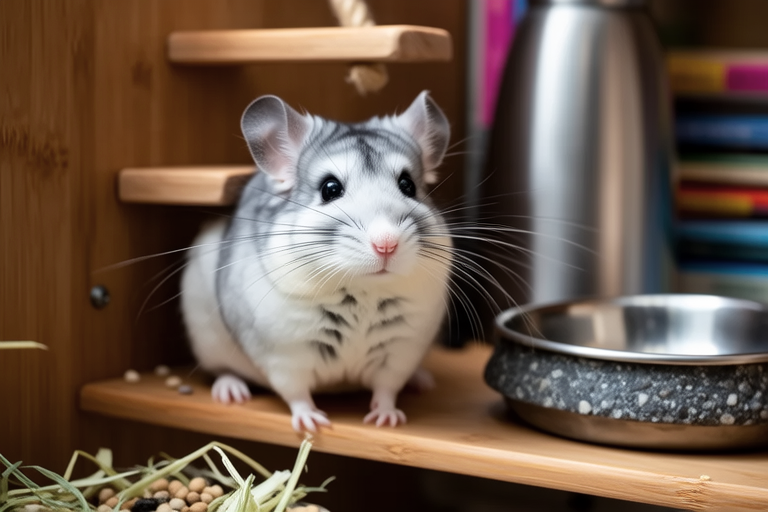
5 Myths Debunked About Chinchillas: What Every Owner Should Know
Chinchillas are adorable, fluffy creatures that have become increasingly popular as pets. However, many misconceptions surround these small mammals, leading to misunderstandings about their care and needs. This article aims to dispel five common myths about chinchillas, offering factual information supported by credible sources. By understanding these truths, you’ll be better equipped to provide optimal care for your chinchilla.
Myth 1: Chinchillas Are Easy to Care For
One of the most widespread myths about chinchillas is that they are easy to care for. While they may appear simple to manage at first glance, chinchillas require specialized care due to their unique physical and behavioral traits. Their delicate digestive systems necessitate a specific diet, and their dense fur demands regular dust baths to maintain its health.
Unlike some other rodents, chinchillas cannot tolerate many foods commonly found in pet stores. They thrive on a diet of hay, fresh water, and pellets designed specifically for chinchillas. Providing them with inappropriate food can lead to digestive issues such as bloat or diarrhea. Additionally, their thick coats need frequent dust baths to prevent skin problems and to keep their fur clean and healthy.
For owners, this means investing time in learning about proper nutrition and hygiene practices. It also involves setting up a suitable habitat that includes a dust bath area, a spacious cage with plenty of room for exercise, and appropriate bedding materials. Regular veterinary check-ups are essential to ensure your chinchilla remains healthy.
Myth 2: Chinchillas Don’t Need Much Space
Another misconception is that chinchillas don’t need much space because they are small animals. In reality, chinchillas are highly active creatures that require ample room to move around freely. A cramped environment can lead to stress, anxiety, and even health problems.
Chinchillas are naturally social animals that enjoy playing and exploring. Without sufficient space, they might exhibit behaviors like chewing on cage bars or excessive grooming, which could indicate boredom or frustration. According to the American Veterinary Medical Association (AVMA), chinchillas should have access to a large cage with multiple levels to allow for vertical exploration. The cage should be at least 4 feet wide, 2 feet deep, and 2 feet tall.
To ensure your chinchilla has enough space, consider providing additional toys, tunnels, and platforms within the cage. These items encourage natural behaviors and help keep your pet entertained. Additionally, allowing supervised playtime outside the cage in a safe, chinchilla-proofed area can provide further opportunities for exercise and mental stimulation.
Myth 3: Chinchillas Can Be Kept With Other Pets
It’s often believed that chinchillas can coexist peacefully with other household pets like dogs, cats, or birds. However, mixing different species can pose significant risks to both the chinchilla and any other animals involved. Chinchillas are prey animals, meaning they are naturally vulnerable to predators.
Even if your other pets seem gentle, there’s always a chance they could accidentally harm your chinchilla through rough play or territorial behavior. The stress of living alongside another animal can also negatively impact your chinchilla’s health and well-being. Therefore, it’s best to keep chinchillas isolated from other pets to ensure their safety and comfort.
If you already own other pets, take precautions to minimize interactions between them and your chinchilla. This might involve keeping doors closed when letting your other pets roam freely or ensuring that your chinchilla’s enclosure is secure and inaccessible to curious animals. Prioritize creating a calm and stress-free environment for your chinchilla by limiting exposure to potential threats.
Myth 4: Chinchillas Can Be Handled Freely
Many people assume that chinchillas can be handled freely, similar to other domesticated pets like rabbits or guinea pigs. However, chinchillas have fragile bones and sensitive dispositions that make them unsuitable for frequent handling. Over-handling can cause undue stress and even physical harm to your pet.
According to the National Research Council (NRC), chinchillas’ skeletons are delicate and prone to fractures. Their hind legs, in particular, are susceptible to injury during mishandling. Additionally, chinchillas are not typically cuddly animals; they prefer to interact on their terms rather than being held or petted constantly.
Instead of handling your chinchilla frequently, focus on building trust through positive reinforcement techniques. Offer treats and gentle encouragement to reward good behavior. Allow your chinchilla to approach you voluntarily, rather than picking it up suddenly. Always support its body when holding it and avoid lifting it by the scruff or tail. Providing ample opportunities for play and interaction within the cage can strengthen the bond between you and your pet without compromising its safety.
Myth 5: Chinchillas Don’t Require Regular Vet Visits
The final myth addressed here is that chinchillas don’t need regular visits to the veterinarian. While chinchillas generally live long lives with minimal health issues when properly cared for, they still benefit from routine check-ups just like any other pet. Early detection of potential problems can prevent more serious conditions later on.
Annual veterinary examinations are recommended for chinchillas to monitor their overall health and catch any signs of illness early. During these appointments, veterinarians can assess weight, dental health, and general well-being. They may also recommend vaccinations or preventative treatments depending on local regulations and environmental factors.
In addition to scheduled visits, watch for changes in behavior or appearance that might indicate a problem. Signs like decreased appetite, lethargy, or abnormal droppings warrant immediate attention from a professional. Establishing a relationship with a trusted veterinarian who specializes in exotic animals ensures prompt diagnosis and treatment should your chinchilla fall ill.
Conclusion
Understanding the truth behind these common myths about chinchillas is crucial for responsible ownership. By recognizing that chinchillas require specialized care, ample space, isolation from other pets, careful handling, and regular vet visits, you can provide the best possible life for your pet. Each of these facts underscores the importance of thorough research and preparation before bringing a chinchilla into your home.
Remember, owning a chinchilla comes with responsibilities but also brings great rewards. With the right knowledge and commitment, you can enjoy a rewarding companionship with one of nature’s most fascinating creatures. Always prioritize your chinchilla’s welfare by staying informed and proactive in addressing its needs.
