Betta Behavior Decoded: Understanding the Moods and Habits of These Colorful Creatures
Welcome to the fascinating world of Betta fish, also known as Siamese fighting fish. Known for their vibrant colors and flowing fins, Betta fish have become popular choices for aquarium enthusiasts around the globe. These creatures, native to the shallow waters of Thailand, Cambodia, Laos, Vietnam, and parts of Malaysia, have adapted to various environments, from rice paddies to slow-moving streams.
Introduction to Betta Fish
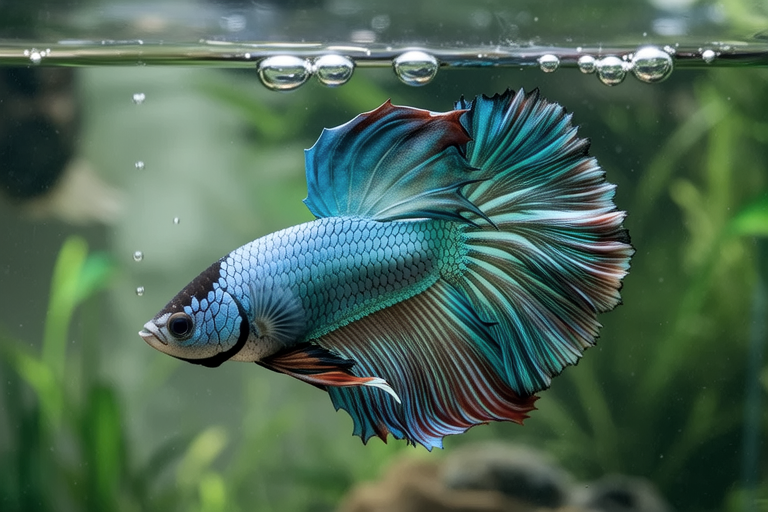
Betta fish are renowned for their striking appearance, with males displaying particularly vivid hues like royal blue, electric green, fiery red, and deep purple. Their elaborate fins, which can be long and flowing or short and compact, add to their visual appeal. Females, while equally beautiful, often have more subdued coloration and shorter fins. Bettas are generally small, with males reaching lengths of about 2.5 inches and females slightly smaller.
Their natural habitat is characterized by warm, still waters rich in oxygen. In captivity, Bettas thrive in heated tanks with ample filtration and aeration. Providing a well-planted tank mimics their natural environment, offering hiding spots and enhancing water quality through plant respiration.
Territorial Displays and Aggression
Bettas are solitary by nature, preferring to live alone. This solitary lifestyle stems from their territorial instincts. Male Bettas are especially aggressive toward other males, often displaying flared gills and extended fins when they encounter rivals. This behavior serves as a warning, indicating that they will defend their territory if necessary. Owners should avoid placing two male Bettas together, as this can lead to serious injury or even death.
Females, on the other hand, are less aggressive but may still display territorial behavior. It’s advisable to house them separately unless you’re planning a breeding tank. In a community tank, it’s best to keep female Bettas with peaceful species that won’t compete for space or resources.
Feeding Habits
Bettas are carnivorous and require a diet rich in protein. In the wild, they feed on insects and insect larvae. In captivity, high-quality Betta pellets and flakes provide essential nutrients. Supplementing their diet with frozen or live foods like bloodworms, brine shrimp, and daphnia can enhance their health and coloration.
It’s important to feed Bettas twice daily, offering only what they can consume within a few minutes to prevent overfeeding. Overfeeding can lead to poor water quality and health issues. Additionally, ensure that the food is appropriately sized for their mouths to avoid choking hazards.
Signs of Stress and Comfort
Understanding the signs of stress and comfort is crucial for maintaining a healthy Betta. A comfortable Betta will exhibit natural swimming patterns, exploring the tank and interacting with its surroundings. They will show vibrant colors and have clear eyes. A stressed Betta, on the other hand, might display dulled colors, clamped fins, or excessive hiding. Rapid breathing and darting movements can also indicate stress.
Common causes of stress include poor water quality, sudden changes in temperature, overcrowding, and aggressive tank mates. Ensuring optimal water conditions and providing a suitable environment can significantly reduce stress. Regular water changes and proper filtration help maintain water quality, while a well-planned tank layout offers hiding spots and open swimming areas.
Tips for Owners
Observing your Betta’s behavior can provide valuable insights into their needs and preferences. Pay attention to their swimming patterns, eating habits, and interactions with their environment. If your Betta is less active than usual or shows signs of discomfort, check the water parameters for ammonia, nitrite, and pH levels. Adjustments may be necessary to ensure a healthy living space.
Owners should also monitor their Betta’s appetite. A decrease in food consumption can signal illness or environmental issues. Prompt action, such as improving water quality or consulting a veterinarian, can prevent further complications. Regular maintenance, including water changes and cleaning, promotes a thriving environment.
Maintaining a Healthy Environment
Creating a healthy environment for your Betta involves more than just providing clean water. The right setup can significantly impact their behavior and overall well-being. Start with a tank of at least five gallons, ensuring adequate space for swimming and exploration. Equip the tank with a reliable heater to maintain a stable temperature between 76°F and 82°F. Proper filtration helps maintain water clarity and reduces the risk of disease.
Incorporating live or artificial plants enhances the tank’s aesthetic appeal and provides hiding spots. Choose plants with sturdy leaves that can withstand the Betta’s fin movements. Decorative elements like caves and driftwood offer additional hiding spots and enrich the tank’s visual interest.
Water quality is paramount. Perform weekly partial water changes, replacing approximately 25% of the tank’s volume. Use a gravel vacuum to remove debris and uneaten food during water changes. Test kits can help monitor water parameters, ensuring a safe and comfortable environment for your Betta.
Understanding your Betta’s behavior is key to providing the best possible care. By observing their interactions and responding to their needs, you can create a thriving environment that supports their physical and emotional well-being. Regular maintenance, a balanced diet, and a stimulating habitat contribute to a long and healthy life for your colorful companion.
Conclusion
Decoding Betta behavior enriches the bond between pet and owner, fostering a deeper understanding and appreciation for these captivating creatures. By recognizing their moods and habits, owners can provide the care and environment that Bettas need to thrive. Remember, a happy Betta is a healthy Betta, and a well-informed owner is essential to their well-being.
