Pomeranian Training Hacks: Turn Your Little Fireball into an Obedient Buddy
Welcome to the world of Pomeranian training! These little fireballs are full of energy and personality, making them delightful companions but also challenging to train. This guide aims to provide you with practical, easy-to-implement training tips that will help you turn your Pomeranian into an obedient buddy. From understanding their behavior to mastering basic commands and addressing common issues, we’ve got you covered.
Understanding Pomeranian Behavior
Pomeranians are known for their lively personalities and independent streaks. They are intelligent, curious, and can be quite vocal. Their small size might fool you into thinking they’re easy to manage, but their strong-willed nature requires patience and understanding.
One key aspect of understanding Pomeranian behavior is recognizing their need for attention and affection. They thrive when they feel loved and included in family activities. Regular interaction and playtime are essential for keeping them happy and well-behaved.
Another important trait is their protective nature. While this can be endearing, it’s crucial to teach them appropriate ways to express their guard instincts. Early socialization is vital in helping them differentiate between harmless situations and actual threats.
Basic Commands: Sit, Stay, and Come
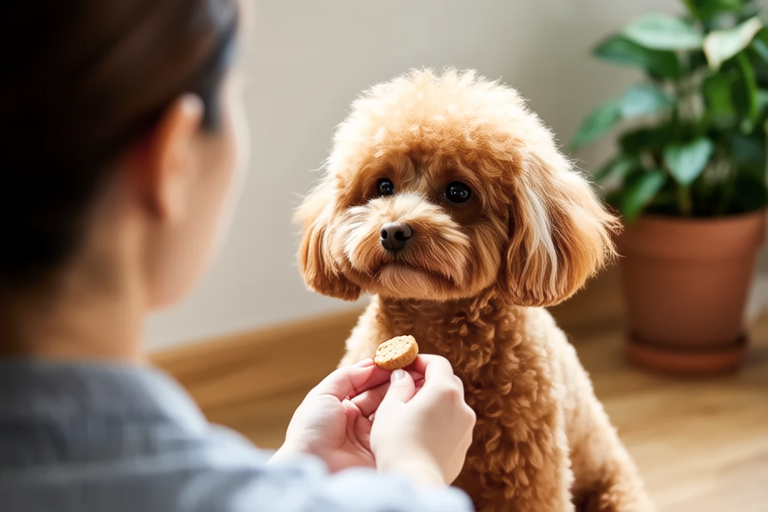
Teaching your Pomeranian basic commands is the foundation of good behavior. Start with simple commands like ‘sit,’ ‘stay,’ and ‘come.’ Positive reinforcement is key here; rewarding good behavior with treats and praise encourages your dog to repeat the desired actions.
Sit: Hold a treat close to your Pomeranian’s nose and slowly move it upwards. As their head follows the treat, their bottom should naturally lower into a sitting position. Say ‘sit’ as they comply and immediately reward them with the treat and praise.
Stay: Once your Pomeranian has mastered ‘sit,’ introduce ‘stay.’ Start by having them sit, then extend your hand palm out while saying ‘stay.’ Take a step back, and if they remain seated, reward them. Gradually increase the distance and duration over time.
Come: Use a short leash during initial training sessions. Call your Pomeranian by name followed by ‘come.’ When they approach, lavish them with praise and treats. Always ensure the environment is safe before practicing this command.
Real-life example: Sarah’s Pomeranian, Max, was initially reluctant to stay put. By consistently rewarding his efforts with small treats and enthusiastic praise, Max now stays put even when distractions abound.
House-Training Strategies
House-training a Pomeranian requires patience and consistency. Establish a routine and stick to it. Choose a specific area outside for bathroom breaks and take your Pomeranian there frequently, especially after meals, naps, and playtimes.
Use verbal cues like ‘go potty’ when taking them outside. Praise and reward them when they eliminate in the correct spot. If accidents happen indoors, clean the area thoroughly to remove any scent that might encourage further incidents.
Real-life example: Mike found that taking his Pomeranian, Bella, out every two hours worked wonders. He used a clicker to mark successful eliminations, which made her eager to learn.
Dealing with Small Dog Syndrome
Small dog syndrome refers to behaviors such as excessive barking, jumping up, and aggression due to owners treating their dogs like babies. It’s important to set clear boundaries and expectations from the start.
To combat small dog syndrome, avoid carrying your Pomeranian around unnecessarily. Encourage them to walk on a leash like bigger dogs. Train them to sit before being greeted by visitors and discourage jumping by turning away and ignoring them until they settle.
Real-life example: Emily noticed her Pomeranian, Charlie, became increasingly demanding when she indulged him too much. She reintroduced basic commands and consistent rules, which helped Charlie become more well-mannered.
Socialization Techniques
Socializing your Pomeranian is crucial for their emotional well-being and helps prevent behavioral issues. Expose them to various people, animals, and environments from an early age. Puppy classes are excellent for controlled socialization and learning basic obedience.
During socialization, always ensure safety first. Introduce your Pomeranian to other dogs under supervision and gradually increase exposure. Encourage positive interactions and reward calm behavior.
Real-life example: Lisa enrolled her Pomeranian, Daisy, in puppy kindergarten. The structured environment helped Daisy learn how to interact politely with other dogs and people.
Maintaining Consistency in Training Methods
Consistency is key in training your Pomeranian. Use the same commands and rewards every time to avoid confusion. Stick to a regular schedule for feeding, walks, and training sessions. Be patient and persistent, and remember that training takes time.
Real-life example: John faced challenges when his Pomeranian, Toby, didn’t respond to commands consistently. By sticking to a strict routine and using the same verbal cues and rewards, John saw significant improvement in Toby’s responsiveness.
Conclusion
Training your Pomeranian is both a rewarding and challenging endeavor. By understanding their behavior, teaching basic commands, implementing effective house-training strategies, addressing small dog syndrome, socializing them properly, and maintaining consistency, you’ll foster a well-behaved and loving companion.
Remember, every Pomeranian is unique, so adapt these tips to suit your pet’s individual needs. With love, patience, and positive reinforcement, you’ll turn your little fireball into an obedient buddy who brings joy to your life.
