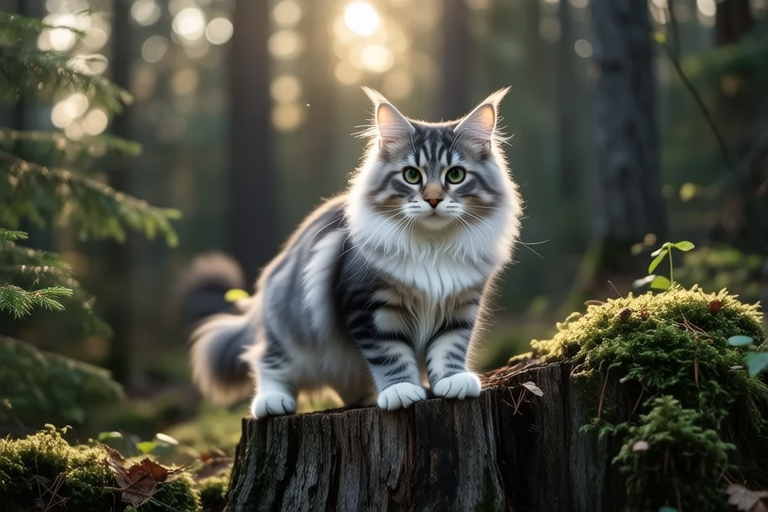
Unraveling the Secrets of Raising a Happy Norwegian Cat
Welcome to the world of Norwegian Forest Cats, also known as Norskaustralsk Katte (NFC). These majestic felines are known for their striking appearance, robust health, and friendly nature. Understanding the unique traits of Norwegian cats can help you create a nurturing home that ensures their happiness and well-being. This guide will provide insights into their specific dietary needs, ideal living environments, exercise requirements, grooming tips, social interaction preferences, and common health issues. We’ll also explore the importance of mental stimulation and offer practical advice for both new and experienced owners.
Understanding the Unique Traits of Norwegian Cats
Norwegian Forest Cats are descendants of ancient European breeds. They have adapted to harsh climates, making them hardy and resilient. Their thick double coat provides insulation against cold weather, while their large paws act like snowshoes. NFCs are intelligent, playful, and affectionate, often forming strong bonds with their human families. They are independent but enjoy companionship, making them perfect for households with other pets or children.
Dietary Needs of Norwegian Cats
A balanced diet is crucial for the health and happiness of Norwegian cats. High-quality protein sources such as chicken, turkey, and fish should form the core of their meals. Omega-3 fatty acids support skin and coat health, so consider adding fish oil supplements or foods rich in these nutrients. Avoid feeding them table scraps or foods containing harmful ingredients like chocolate, onions, or garlic. Consult your veterinarian about appropriate portion sizes based on your cat’s age, weight, and activity level.
Ideal Living Environments for Norwegian Cats
NFCs thrive in environments that mimic their natural habitats. Provide plenty of vertical space with cat trees, shelves, and window perches. Ensure they have access to sunlight and fresh air, if possible. Indoor-outdoor living can be beneficial, but always supervise outdoor time to protect them from potential dangers like traffic or other animals. Keep their living spaces clean and comfortable, regularly cleaning litter boxes and providing soft bedding.
Exercise Requirements for Norwegian Cats
Regular physical activity is essential for maintaining a healthy weight and preventing boredom. Interactive toys, such as laser pointers, feather wands, and puzzle feeders, encourage active play. Consider setting aside dedicated playtime each day to strengthen the bond between you and your cat. Climbing structures and scratching posts allow them to engage in natural behaviors, promoting muscle strength and flexibility.
Grooming Tips for Norwegian Cats
Their luxurious coats require regular brushing to prevent matting and remove loose hair. Use a slicker brush or comb to gently detangle fur, especially during shedding seasons. Bathe them only when necessary, as over-bathing can strip their coat of natural oils. Trim their nails every few weeks and check their ears for any signs of infection or wax buildup. Regular dental care is also important; brush their teeth daily if possible or provide chew toys designed to promote oral hygiene.
Social Interaction Preferences of Norwegian Cats
NFCs are generally social creatures who enjoy spending time with their human families. They may appreciate interactive games, petting sessions, and gentle play. However, they value personal space and independence, so respect their boundaries when they want solitude. Introduce new family members gradually to avoid overwhelming them. If you have multiple pets, ensure they all have access to resources like food, water, and resting areas to minimize conflicts.
Common Health Issues in Norwegian Cats
While Norwegian Forest Cats are generally healthy, they are prone to certain genetic conditions. Hypertrophic cardiomyopathy (HCM), a heart disease, affects some NFCs. Regular veterinary check-ups can help detect early signs of this condition. Hip dysplasia, a joint disorder, is another concern. Genetic testing and careful breeding practices can reduce the risk of inherited diseases. Maintain a consistent vaccination schedule and monitor your cat for any unusual symptoms.
Mental Stimulation for Norwegian Cats
Mental stimulation is vital for keeping Norwegian cats happy and engaged. Provide toys that challenge their minds, such as puzzle feeders that dispense treats when manipulated correctly. Rotate toys periodically to keep things interesting. Interactive games, like hide-and-seek or fetch, can also enhance cognitive function. Encourage exploration by rearranging furniture occasionally or introducing new objects into their environment safely.
Examples of Toys and Activities
- Laser Pointers: A classic choice that mimics hunting behavior.
- Feather Wands: Great for interactive play sessions.
- Puzzle Feeders: Encourage problem-solving skills while providing mental engagement.
- Interactive Games: Hide treats around the house for your cat to find, simulating the hunt.
Practical Advice for New and Experienced Owners
Creating a nurturing home for Norwegian cats involves thoughtful planning and attention to detail. For new owners, research breed-specific information thoroughly before bringing one home. Experienced owners should continue learning about advancements in cat care and stay updated on best practices. Both groups benefit from building strong relationships with trusted veterinarians who understand NFCs’ unique needs.
Remember that every cat is different, so observe your Norwegian cat closely to determine what makes them happiest. Pay attention to their body language, vocalizations, and preferences. By providing a loving environment that meets their physical, emotional, and intellectual needs, you can ensure a lifetime of joy and companionship with your Norwegian Forest Cat.
