7 Fascinating Facts About Leopard Geckos That Will Make You Their Biggest Fan
Leopard geckos, those charismatic little lizards, have captivated the hearts of reptile enthusiasts for decades. Known for their docile nature, vibrant colors, and relatively low maintenance, they are one of the most popular pet reptiles worldwide. Whether you’re a seasoned herpetologist or a first-time reptile owner, there’s always something new to learn about these captivating creatures. Let’s dive into seven fascinating facts that will make you fall even more in love with leopard geckos.
Fact 1: Unique Physical Traits
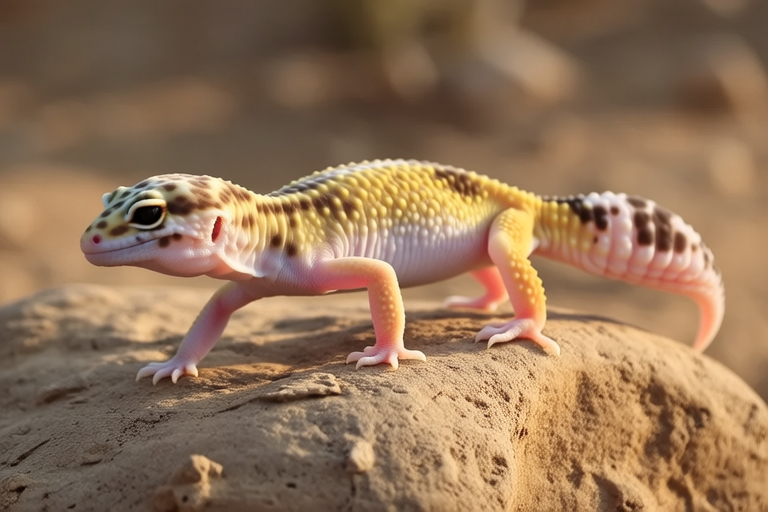
One of the first things that catches your eye when looking at a leopard gecko is its striking appearance. These small lizards are typically 7 to 11 inches long, with short, stubby tails and thick bodies. They get their name from the dark spots that cover their skin, resembling the rosettes on a leopard’s fur. Leopard geckos also have eyelids, unlike many other lizard species, which allows them to blink and close their eyes completely, a trait that makes them look more approachable and less alien.
Another unique feature of leopard geckos is their ability to regenerate their tails if they lose them. This process, known as autotomy, is a defense mechanism that helps them escape predators. While regenerating, the tail can take several months to grow back, and it may not look exactly like the original, but it’s still functional. This regeneration ability showcases the remarkable adaptability of these reptiles.
Fact 2: Nocturnal Behavior
Leopard geckos are primarily nocturnal, meaning they are most active during the night. This behavior is crucial for their survival in the wild, where they can avoid daytime heat and predators. As a result, they have excellent night vision, thanks to a special light-sensing organ called the parietal eye, located on top of their heads. This organ helps them detect changes in light levels, even in complete darkness.
In captivity, this nocturnal habit means you might not see much activity from your leopard gecko during the day. However, don’t be discouraged! Providing a comfortable hide box and maintaining appropriate temperature and lighting conditions will help your gecko thrive. Understanding and respecting their natural behavior is key to keeping them happy and healthy.
Fact 3: Temperature Regulation
Maintaining the right temperature gradient in your leopard gecko’s enclosure is essential for their health. These reptiles are ectothermic, meaning they rely on external sources to regulate their body temperature. In the wild, they bask under rocks and logs to warm up and cool off in shady areas when they need to lower their body temperature.
To replicate this environment in captivity, it’s recommended to provide a thermal gradient ranging from 80°F (27°C) on the cooler side to 90°F (32°C) on the warmer side. A basking spot of around 95°F (35°C) should also be available. This setup allows your gecko to thermoregulate effectively, ensuring optimal digestion and overall well-being.
Fact 4: Diet and Nutrition
Leopard geckos are insectivores, feeding mainly on crickets, mealworms, and waxworms. Their diet in the wild consists of a variety of insects, which they catch using their quick reflexes and sharp teeth. In captivity, it’s important to offer a balanced diet to ensure proper nutrition.
Vitamin and mineral supplements are necessary to prevent deficiencies, especially calcium and vitamin D3, which are crucial for bone health. Dusting feeder insects with these supplements before feeding them to your gecko is a common practice among responsible owners. Additionally, providing a shallow water dish for drinking and soaking is vital, as leopard geckos can dehydrate easily.
Fact 5: Social Behavior
Contrary to popular belief, leopard geckos are not social animals. While they can live peacefully in pairs or groups in the wild, they do not require companionship in captivity. In fact, housing multiple geckos together can lead to stress and potential aggression, especially during breeding season.
Leopard geckos are solitary by nature, spending most of their time alone. They prefer to have their own space and hideouts, making a single enclosure sufficient for one gecko. This solitary lifestyle is part of what makes them such low-maintenance pets, as they do not require constant interaction or socialization.
Fact 6: Breeding and Reproduction
Breeding leopard geckos can be a rewarding experience for experienced reptile keepers. Males and females reach sexual maturity between 12 to 18 months of age. During the breeding season, males will display courtship behaviors, such as head bobbing and tail wagging, to attract females.
Females can lay up to five clutches of eggs per year, with each clutch containing two eggs. The eggs are laid in a specially prepared nest box filled with moist substrate, mimicking the conditions found in their natural habitat. Incubation takes approximately 45 to 60 days, depending on the temperature. Maintaining the correct incubation temperature is crucial, as it determines the sex of the hatchlings.
Fact 7: Longevity and Lifespan
Leopard geckos are known for their longevity, with some individuals living up to 20 years in captivity. This long lifespan is a testament to their hardiness and adaptability. However, it also means a significant commitment for owners. Providing consistent care, including proper diet, housing, and medical attention, is essential to ensure a long and healthy life for your gecko.
With the right care, your leopard gecko can become a cherished member of your family, offering years of companionship and enjoyment. Their long lifespan also means you’ll have plenty of time to bond with your pet and learn more about its unique behaviors and needs.
A Call to Action
If you’re considering adopting a leopard gecko, remember that they require specific care to thrive. Before bringing one home, research thoroughly and prepare adequately. Leopard geckos are delightful pets that can bring joy and fascination to any household. By providing them with the right environment, diet, and attention, you can enjoy a long-lasting and fulfilling relationship with these charming creatures.
Are you ready to welcome a leopard gecko into your life? If so, take the next step by visiting your local reptile store or adopting from a reputable breeder. Remember, adopting a pet is a serious commitment, so ensure you’re prepared for the responsibility.
