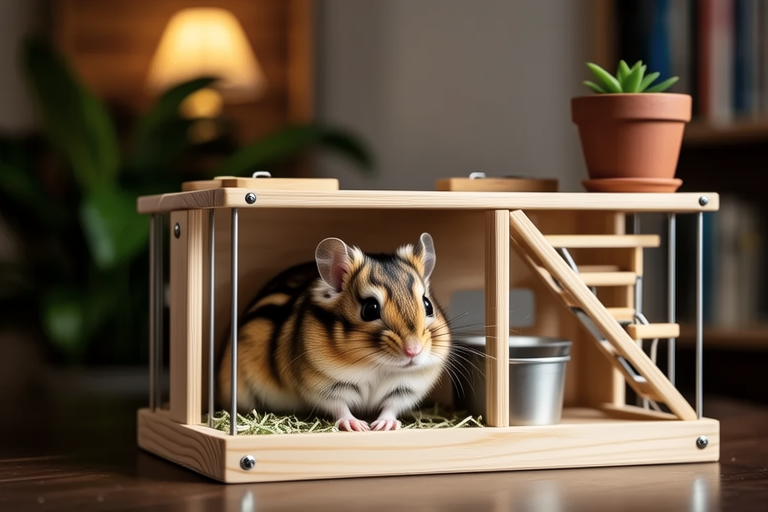
How to Create the Ultimate Habitat for Your Chinchilla at Home
Chinchillas are small, adorable pets that require specific care and attention to thrive in a home environment. Creating the ultimate habitat for your chinchilla involves understanding their unique needs and preferences, which include spacious living conditions, proper ventilation, suitable bedding, and a well-organized space with areas for eating, sleeping, and playing. This guide will walk you through the essential steps to ensure your chinchilla lives a healthy and happy life.
Selecting an Appropriate Cage Size and Design
The first step in creating the perfect habitat is choosing the right cage. Chinchillas are active creatures that need plenty of space to move around and exercise. A cage that is too small can lead to stress and health issues. The minimum recommended size for a single chinchilla is 30 inches wide by 24 inches deep by 24 inches high. However, if possible, opt for a larger cage or multiple cages connected by tunnels for two or more chinchillas.
When selecting a cage, consider its design. Horizontal bars are preferable over vertical ones as they allow for easier climbing and jumping. Additionally, the spacing between the bars should be no more than one inch to prevent escape or injury. The cage should also have a solid floor rather than wire flooring to protect your chinchilla’s delicate feet.
Ensuring Proper Ventilation
Proper ventilation is crucial for maintaining good air quality within the cage. Chinchillas are highly sensitive to heat and humidity, so it’s important to provide adequate airflow. Choose a cage with several ventilation holes or screens placed strategically throughout the enclosure. Avoid placing the cage in direct sunlight or near heat sources like radiators or stoves.
If necessary, invest in a small fan or air conditioner to help regulate the temperature during warmer months. Ensure that any equipment used does not pose a risk of injury to your chinchilla. Regularly check the cage for signs of condensation or dampness, which could indicate poor ventilation.
Providing Safe Bedding Options
The type of bedding you choose for your chinchilla’s cage is another important consideration. Opt for dust-free, absorbent materials such as paper-based bedding or recycled newspaper products. Avoid cedar and pine shavings, as they can release harmful oils that irritate chinchilla’s respiratory systems.
Provide enough bedding to create a soft, comfortable nest area where your chinchilla can burrow and rest. Change the bedding regularly to maintain hygiene and prevent odors. Place the bedding in a corner of the cage away from food and water bowls to avoid contamination.
Creating Designated Areas for Eating, Sleeping, and Playing
To promote a healthy lifestyle, organize your chinchilla’s cage into distinct zones for different activities:
- Eating Area: Position food dishes in an easily accessible location but out of reach of droppings. Use heavy-duty ceramic bowls to prevent tipping and keep food fresh.
- Sleeping Area: Provide a cozy hideaway made from cardboard boxes or specially designed chinchilla houses. Ensure this area is quiet and dimly lit to encourage restful sleep.
- Playing Area: Include ramps, shelves, and platforms for climbing and exploring. These structures stimulate mental and physical activity while keeping your chinchilla entertained.
Maintaining Optimal Temperature and Humidity Levels
Chinchillas originate from cold, dry mountainous regions, so replicating these conditions at home is vital. Keep the ambient temperature between 60°F and 70°F (15°C to 21°C) and avoid sudden temperature fluctuations. Use a thermometer to monitor the temperature inside the cage daily.
Humidity should remain low, ideally below 40%. High humidity can cause skin problems and respiratory infections. If necessary, use a dehumidifier to control moisture levels in the room where the cage is located. Never place the cage near windows or doors that might expose your chinchilla to drafts.
Incorporating Necessary Chinchilla-Safe Toys and Accessories
To keep your chinchilla mentally stimulated and physically fit, offer a variety of toys and accessories:
- Chew Toys: Provide wooden blocks, cardboard tubes, and untreated branches to satisfy natural chewing behaviors.
- Exercise Wheels: Install a large-diameter exercise wheel with a solid surface to prevent injuries.
- Plush Toys: Offer soft, cuddly toys for comfort and companionship.
- Grooming Tools: Supply a chinchilla-specific brush and powder bath container filled with dust-free volcanic ash for regular grooming sessions.
Regular Cleaning Routines
A clean environment is key to preventing illness and promoting overall well-being. Establish a routine for cleaning the cage:
- Daily: Remove uneaten food, soiled bedding, and droppings. Clean and refill water bottles.
- Weekly: Thoroughly scrub all parts of the cage with mild soap and warm water. Rinse thoroughly and allow to dry completely before returning your chinchilla to its home.
- Monthly: Disinfect the entire cage using a pet-safe disinfectant. Pay special attention to food and water areas.
Always wash your hands before and after handling your chinchilla or cleaning its cage to prevent the spread of germs.
Additional Tips for a Healthy and Happy Chinchilla
Aside from creating an ideal habitat, there are other factors to consider:
- Diet: Feed your chinchilla a balanced diet consisting of timothy hay, pellets, and occasional treats like fruits and vegetables.
- Handling: Handle your chinchilla gently and frequently to build trust and socialization skills.
- Veterinary Care: Schedule annual check-ups with a veterinarian experienced in exotic animals.
- Companionship: Consider adopting a second chinchilla for companionship, provided both animals get along.
By following these guidelines, you’ll create a loving and nurturing environment that allows your chinchilla to flourish. Remember, each chinchilla is unique, so pay close attention to your pet’s behavior and adjust its habitat accordingly.
