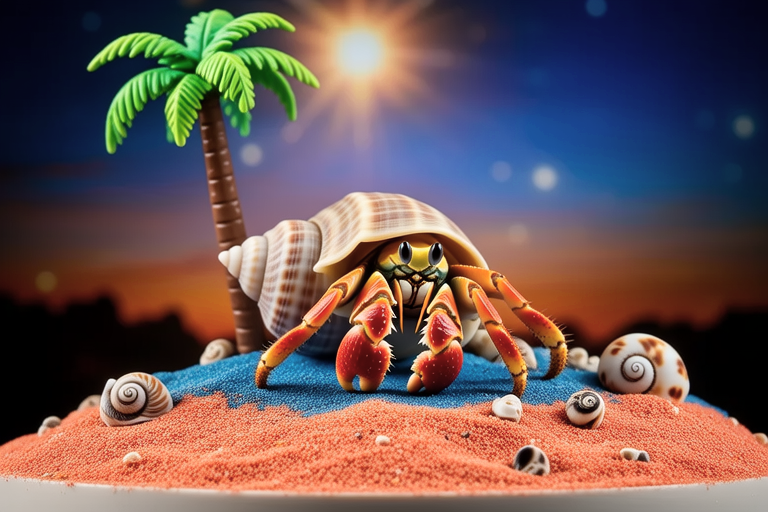
Shell Shocked! How to Decorate Your Hermit Crab’s Perfect Habitat
Welcome, fellow crab enthusiasts! If you’re here, it means you’ve decided to take on the rewarding challenge of providing a perfect home for your hermit crabs. Creating a well-decorated habitat is crucial for their health and happiness, ensuring they live comfortably and thrive. Let’s dive into the details of setting up the ideal living space for these delightful creatures.
The Importance of a Well-Decorated Habitat
A well-decorated habitat isn’t just about aesthetics; it’s vital for your hermit crabs’ overall well-being. A properly designed enclosure mimics their natural environment, promoting physical and mental health. It provides them with opportunities to explore, play, and hide, which are essential activities for their daily lives. Additionally, a comfortable habitat can prevent stress-related illnesses, making your hermit crabs happier and healthier.
Selecting the Right Size Tank
The first step in creating a perfect habitat is choosing the right size tank. The general rule of thumb is that each hermit crab should have at least 10 square inches of floor space. However, more space is always better, especially if you plan to house multiple crabs together. Larger tanks allow for better air circulation and reduce the likelihood of overcrowding, which can lead to stress and aggression among crabs.
When selecting a tank, opt for one made of glass or acrylic. These materials provide excellent visibility, allowing you to observe your crabs without disturbing them. Ensure the tank has a secure lid with ventilation holes to maintain proper airflow while preventing escape.
Choosing Appropriate Substrate
The substrate is the foundation of your hermit crab’s habitat. It’s where they will dig, burrow, and spend a significant amount of time. Selecting the right substrate is crucial for their comfort and health. The ideal substrate for hermit crabs is a mixture of coconut fiber and sand. This combination provides the necessary moisture retention and allows for easy digging and burrowing.
Coconut fiber retains moisture better than sand alone, helping to maintain the optimal humidity level within the tank. It also breaks down less quickly, reducing the frequency of substrate changes. When mixing the substrate, aim for a ratio of three parts coconut fiber to one part sand. This mixture will create a rich, moist environment that your hermit crabs will love.
Maintaining Proper Humidity Levels
Humidity is one of the most critical factors in a hermit crab’s habitat. These creatures are adapted to tropical environments, where humidity levels typically range from 70% to 80%. Maintaining this level ensures your crabs can breathe easily and prevents dehydration.
To achieve the right humidity, consider using a hygrometer to monitor the levels inside the tank. If the humidity drops below 70%, you can increase it by misting the substrate and tank walls regularly. Alternatively, adding a water dish or humidifier can help maintain the desired moisture level. Regularly check the humidity and adjust as needed to keep your hermit crabs healthy and happy.
Incorporating Essential Elements
Your hermit crabs need several key elements in their habitat to feel safe and stimulated. Let’s explore some of the most important ones:
Hiding Spots
Hiding spots are crucial for hermit crabs, providing them with a sense of security and privacy. You can create hiding spots using various materials such as cork bark, driftwood, or plastic caves. These structures should be large enough for your crabs to fit inside comfortably but small enough to make them feel snug and protected.
Climbing Structures
Climbing structures offer hermit crabs the opportunity to exercise and explore their surroundings. Incorporate branches, rocks, or commercially available climbing toys to give your crabs something to climb on. Ensure that any climbing structures are securely placed to prevent accidents. Providing different levels within the tank encourages movement and exploration, keeping your crabs active and engaged.
Water Dishes
Hermit crabs require access to fresh and saltwater. Freshwater dishes should be shallow and filled with dechlorinated water, allowing your crabs to drink and bathe. Saltwater dishes should be filled with marine-grade aquarium salt mixed with dechlorinated water. Both dishes should be cleaned regularly to prevent contamination and bacterial growth.
Selecting and Placing Shells
Shells are not only decorations but also serve a functional purpose for hermit crabs. They provide protection and are essential for molting. When selecting shells, choose those that are slightly larger than your crabs’ current shells. This allows them room to grow and change shells as needed. Place shells in various locations throughout the tank, ensuring there are enough for all your crabs.
It’s essential to provide a variety of shell sizes and shapes to accommodate different preferences. Some crabs may prefer smaller, tighter shells, while others may opt for larger, more spacious ones. Rotate the shells periodically to keep your crabs interested and engaged.
Tips for Regular Habitat Maintenance and Enrichment
To ensure a stimulating environment for your hermit crabs, regular maintenance and enrichment are necessary. Here are some tips to help you keep their habitat clean and engaging:
Cleaning the Tank
Regular cleaning helps maintain a healthy environment for your hermit crabs. Clean the tank every two to four weeks, removing any uneaten food, shed exoskeletons, and waste. Rinse the substrate thoroughly and replace it if it becomes too dirty or starts to break down. Wipe down the tank walls and accessories to remove any algae or debris.
Rotating Toys and Accessories
Keep your crabs entertained by rotating toys and accessories in their tank. Introduce new items periodically to stimulate their curiosity and encourage exploration. This could include different types of climbing structures, tunnels, or decorative elements. By varying the tank’s contents, you’ll keep your crabs mentally and physically active.
Providing Environmental Stimulation
Environmental stimulation is vital for hermit crabs’ mental well-being. Create a dynamic environment by introducing new textures, scents, and sounds. For example, add leaves, moss, or bark to the substrate for a different texture. Spritz the tank with fragrant herbs or flowers to introduce new scents. Playing soft, calming music can also provide auditory stimulation.
Conclusion
Creating the perfect habitat for your hermit crabs is a rewarding endeavor that requires attention to detail and care. By selecting the right tank size, choosing appropriate substrate, maintaining proper humidity levels, and incorporating essential elements like hiding spots and climbing structures, you can provide your crabs with a stimulating and comfortable environment. Regular maintenance and enrichment further enhance their quality of life, ensuring they remain healthy and happy. With these tips, you’ll be well on your way to becoming a hermit crab expert and providing your little friends with the best home possible.
