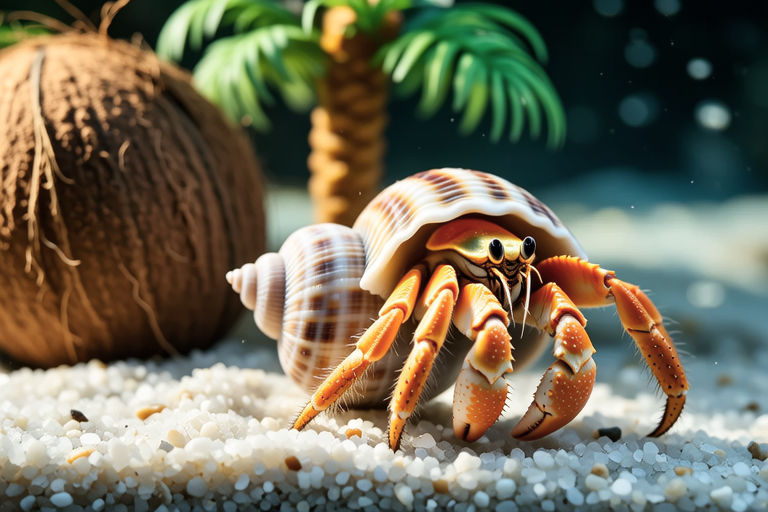
Crabby Adventures: How to Create the Perfect Habitat for Your Hermit Crabs
Welcome to Crabby Adventures! If you’re reading this, it’s likely because you’ve recently welcomed some adorable hermit crabs into your home or are considering adopting these delightful creatures. Hermit crabs are fascinating pets that require a bit more care than your average houseplant, but with the right setup, they can thrive and bring endless joy to your life. This guide will walk you through creating the perfect habitat for your hermit crabs, focusing on essential elements like selecting appropriate shells, maintaining proper humidity, providing safe substrate, ensuring adequate space, temperature regulation, dietary needs, and enrichment activities.
Selecting Appropriate Shells
The first step in setting up your hermit crab’s home is choosing the right shell. Hermit crabs need shells to protect their soft abdomens, and they often outgrow their shells as they grow. Providing a variety of shells will ensure that your crabs always have a comfortable place to call home. Look for shells that have a smooth opening and a slightly larger size than your crab’s current shell. Avoid shells with sharp edges or holes, as these can injure your crabs. Additionally, ensure that the shell has enough room for your crab to turn around inside comfortably.
Maintaining Proper Humidity Levels
Hermit crabs come from tropical environments where humidity is high. Therefore, maintaining the right humidity level in their enclosure is crucial for their health. Aim for a humidity level between 70% and 80%. You can achieve this by misting the tank daily, using a humidifier, or placing a shallow water dish in the enclosure. Ensure that the substrate remains moist but not soggy to prevent mold growth. A hygrometer can be a useful tool to monitor the humidity levels in your crab’s habitat.
Providing Safe Substrate
The substrate is the bedding material in which your hermit crabs live. It should be non-toxic, safe for ingestion, and capable of holding moisture. Coconut fiber or crushed coral are popular choices for substrate. These materials provide a natural environment for your crabs and help maintain the necessary humidity levels. Avoid using sand, as it can cause impaction if ingested. Ensure that the substrate is at least 4 inches deep to allow your crabs to burrow and explore.
Ensuring Adequate Space
Hermit crabs are social animals that enjoy living in groups. Provide a spacious enclosure that allows them to move around freely and interact with each other. A general rule of thumb is to provide at least 10 gallons of space per crab. The enclosure should have plenty of hiding spots, climbing structures, and areas for digging. This will encourage natural behaviors and reduce stress.
Temperature Regulation
Hermit crabs prefer temperatures between 75°F and 85°F (24°C and 29°C). Use a thermometer to monitor the temperature in your crab’s enclosure and adjust accordingly. A heat lamp or under-tank heater can help maintain the ideal temperature range. Be cautious not to overheat the enclosure, as excessive heat can be dangerous for your crabs.
Dietary Needs
Hermit crabs are omnivores and require a balanced diet to stay healthy. Their diet should include a variety of foods such as fruits, vegetables, proteins, and calcium-rich supplements. Fresh fruits and vegetables like apples, bananas, carrots, and spinach are excellent options. Protein sources like fish flakes, boiled eggs, and insects can be offered in moderation. Calcium supplements are important for promoting strong exoskeletons. Always ensure that any food you offer is fresh and free of pesticides or harmful additives. Providing a shallow water dish filled with dechlorinated water is also essential for hydration.
Enrichment Activities
To keep your hermit crabs mentally stimulated and physically active, provide enrichment activities. This can include adding tunnels, bridges, and climbing structures to their enclosure. You can also introduce novel items periodically to encourage exploration and play. Hermit crabs enjoy digging and burying themselves, so offering different textures and depths in the substrate can be beneficial. Rotate toys and objects regularly to keep the environment interesting and engaging.
Mimicking Natural Environments
One of the most important aspects of hermit crab care is mimicking their natural environments. In the wild, hermit crabs live in warm, humid coastal areas. By replicating these conditions in captivity, you can promote health and happiness in your crabs. This includes providing a suitable substrate, maintaining proper humidity levels, and ensuring adequate space. Mimicking their natural environment will also encourage natural behaviors and reduce stress.
Tips for New Owners
If you’re new to hermit crab ownership, there are a few things to keep in mind. First, take your time setting up the enclosure and familiarizing yourself with the specific needs of your crabs. Research thoroughly and consult with experienced owners if needed. Be patient when introducing new items to the enclosure, as sudden changes can stress your crabs. Finally, remember that hermit crabs are long-lived pets, so consider the commitment before bringing them home.
Common Mistakes to Avoid
While hermit crabs are relatively low-maintenance pets, there are some common mistakes to avoid. One of the most frequent errors is keeping the enclosure too dry. This can lead to dehydration and respiratory issues. Another mistake is overcrowding the enclosure, which can cause stress and aggression among the crabs. Overfeeding is also a concern, as excess food can attract pests and contaminate the substrate. Finally, neglecting to provide a variety of shells can result in crabs becoming stressed or unable to find a suitable replacement when they outgrow their current shell.
In Conclusion
Creating the perfect habitat for your hermit crabs requires attention to detail and a commitment to mimicking their natural environments. By selecting appropriate shells, maintaining proper humidity levels, providing safe substrate, ensuring adequate space, regulating temperature, meeting dietary needs, and offering enrichment activities, you can ensure that your crabs lead happy and healthy lives. Remember, hermit crabs are fascinating creatures that can bring much joy and companionship to your home. With the right care and attention, you and your crabs can embark on many crabby adventures together.
