Bengal Cats Unleashed: The Ultimate Guide for New Owners
Welcome to the world of Bengal cats! These captivating creatures have gained immense popularity over the years due to their striking appearance and unique personalities. Known for their sleek, spotted coats that resemble those of wild leopards, Bengal cats are a breed that stands out from the crowd. Their playful and energetic nature makes them ideal companions for families and individuals alike. In this comprehensive guide, we will explore everything you need to know about Bengal cats, from their origins and physical traits to their dietary needs and health concerns. Whether you’re a seasoned cat owner or a first-time pet parent, this article will equip you with the knowledge and tools necessary to provide your Bengal cat with a happy, healthy life.
Origin and History
The story of the Bengal cat begins in the 1960s when Dr. Willard Centerwall, a geneticist, crossed a domestic cat with an Asian leopard cat (ALC) to study feline leukemia. Later, Jean Mill, a breeder, continued the work by breeding the offspring of these crosses with domestic cats to develop the breed further. By the 1980s, the Bengal cat had emerged as a distinct breed recognized by various cat registries. Despite their exotic looks, Bengal cats are 100% domesticated and make wonderful pets for those who appreciate their wild charm.
Physical Traits
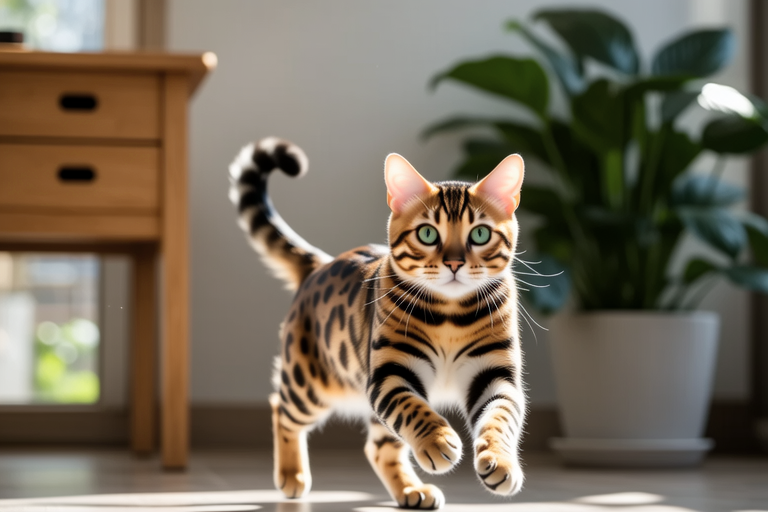
Bengal cats are known for their distinctive coat patterns, which can range from marbled to spotted. Their fur is often described as having a luxurious texture, sometimes referred to as “glittered,” where the individual hairs seem to shimmer under light. Bengal cats come in various colors, including brown, snow, silver, and charcoal. Their muscular bodies and large paws give them an athletic appearance, making them excellent climbers and jumpers. With their almond-shaped eyes and expressive faces, Bengal cats exude grace and elegance, captivating everyone who encounters them.
Temperament and Behavior
Bengal cats are renowned for their lively and curious nature. They are highly intelligent and enjoy exploring their surroundings, often engaging in playful activities such as chasing toys or climbing. Due to their high energy levels, they require plenty of mental and physical stimulation to stay content. Social interaction is also crucial for Bengals; they thrive on attention and love to be involved in family activities. While they can be independent at times, they generally prefer the company of their human companions and other pets. Early socialization is important to ensure your Bengal cat grows up to be well-adjusted and friendly.
Dietary Needs
Feeding your Bengal cat a balanced diet is essential for maintaining its health and vitality. High-quality commercial cat food that meets the nutritional standards set by organizations like the Association of American Feed Control Officials (AAFCO) is recommended. Look for options rich in protein, as Bengals are obligate carnivores. Wet food can be beneficial for hydration, especially if your cat tends to drink less water. It’s also wise to consult with your veterinarian about specific dietary needs based on your cat’s age, weight, and activity level. Avoid feeding your Bengal cat foods that are harmful to cats, such as chocolate, onions, garlic, and grapes.
Grooming Requirements
Bengal cats are relatively low-maintenance when it comes to grooming, but regular care is still necessary to keep their coats healthy and shiny. Brushing your Bengal cat once or twice a week helps remove loose hair and prevents matting. Bathing may be required occasionally, particularly if your cat enjoys outdoor activities that could soil its fur. Nail trimming should be done every few weeks to prevent overgrowth and potential scratching damage. Additionally, dental hygiene is important; brushing your cat’s teeth regularly or providing dental treats can help maintain oral health.
Exercise and Playtime
Given their active and energetic nature, Bengal cats require ample opportunities for exercise and play. Interactive toys, such as feather wands or laser pointers, can stimulate their hunting instincts and provide mental engagement. Climbing structures and scratching posts are also beneficial for keeping Bengals entertained and satisfied. Engaging in play sessions several times a day will help burn off excess energy, preventing destructive behaviors. Encouraging physical activity through play is crucial for maintaining your Bengal cat’s overall well-being.
Training Tips
Training your Bengal cat can be both fun and rewarding. Positive reinforcement techniques, such as treats and praise, are effective for teaching basic commands and encouraging good behavior. Bengals are intelligent and can learn tricks like fetching, sitting, or even walking on a leash. Consistency is key in training, so establish routines and be patient with your cat. Redirecting unwanted behaviors, such as scratching furniture, can be achieved by providing appropriate alternatives like scratching posts. With time and effort, you’ll have a well-behaved and well-trained companion.
Health Concerns
While Bengal cats are generally healthy, they are prone to certain genetic conditions. Hypertrophic cardiomyopathy (HCM), a heart disease, and progressive retinal atrophy (PRA), a degenerative eye disorder, are two notable concerns. Regular veterinary check-ups are essential for early detection and management of these conditions. Vaccinations and parasite control should also be part of routine care. Maintaining a healthy weight through proper nutrition and exercise is vital for preventing obesity-related issues. Being proactive about your Bengal cat’s health will ensure a long and happy life together.
Common Misconceptions
There are several myths surrounding Bengal cats that need clarification. One misconception is that they are aggressive because of their wild ancestry. In reality, properly socialized Bengal cats are affectionate and gentle towards humans. Another myth is that they cannot live harmoniously with other pets. With proper introductions and supervision, Bengals can coexist peacefully with dogs, other cats, and even small animals. Lastly, some people believe that Bengal cats are difficult to train. However, with positive reinforcement and patience, Bengals can learn various commands and tricks, making them enjoyable companions.
Creating a Stimulating Environment
To keep your Bengal cat happy and engaged, it’s important to create a stimulating environment. Provide vertical spaces for climbing, such as shelves or cat trees, and interactive toys that encourage exploration. Consider incorporating puzzle feeders to stimulate your cat’s problem-solving skills while eating. Establishing a routine for play and interaction will help your Bengal cat feel secure and content. Creating a safe and enriching space will contribute to your cat’s overall well-being and strengthen the bond between you.
Building a Strong Bond
Spending quality time with your Bengal cat is essential for building a strong bond. Engage in activities that your cat enjoys, whether it’s playing fetch, cuddling, or simply watching TV together. Pay attention to your cat’s body language and vocalizations to understand its needs and preferences. Building trust and mutual respect will lead to a loving and fulfilling relationship. Remember, the more time and effort you invest in your Bengal cat, the deeper your connection will grow.
