Top 7 Fascinating Facts About Parrot Fish You Need to Know
Welcome to a deep dive into the colorful and captivating world of parrot fish! These vibrant creatures, found in tropical and subtropical waters around the globe, have long fascinated scientists and nature enthusiasts alike. With their striking appearance and unique behaviors, parrot fish play an important role in marine ecosystems. In this article, we’ll explore seven fascinating facts about parrot fish that you need to know. From their remarkable sleeping habits to their contribution to coral reef health, prepare to be amazed by these incredible fish.
Fact 1: The Colorful Camouflage of Parrot Fish
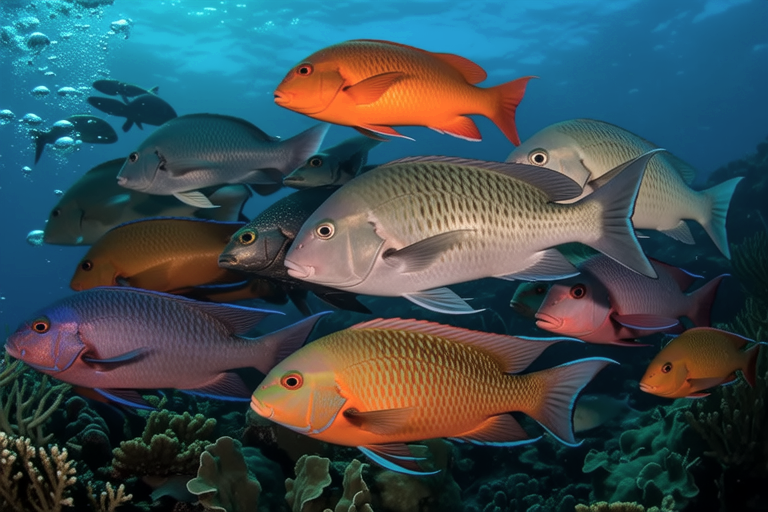
Parrot fish are renowned for their dazzling array of colors, which range from bright blues and greens to vibrant yellows and reds. However, these stunning hues serve more than just aesthetic purposes. Their vivid coloration acts as a form of camouflage, helping them blend into the diverse coral reefs where they live. The intricate patterns and bold colors break up the fish’s outline, making it harder for predators to spot them amidst the complex structures of the reef. This evolutionary adaptation allows parrot fish to thrive in their natural habitat, avoiding becoming easy prey while also attracting potential mates.
Fact 2: Unique Sleeping Habits
One of the most peculiar aspects of parrot fish behavior is their nightly slumber routine. Before retiring for the night, parrot fish secrete a protective mucus cocoon around themselves. This transparent, jelly-like substance is thought to mask the fish’s scent, thereby confusing predators and reducing the risk of being eaten. Interestingly, some species even sleep inside caves or crevices within the reef, further enhancing their protection. While this behavior might seem unusual, it highlights the parrot fish’s ingenuity in ensuring its survival.
Fact 3: Role in Coral Reef Health
Parrot fish play a crucial role in maintaining the health of coral reefs. They feed primarily on algae that grow on coral surfaces, preventing overgrowth and allowing corals to flourish. By grazing on algae, parrot fish help keep the reef clean and promote the growth of new coral polyps. Additionally, their feeding habits contribute to the formation of sand on beaches. As they consume coral skeletons, their digestive systems break down the calcium carbonate, excreting it as fine sand particles that eventually make their way to nearby shores. This process is vital for the formation and maintenance of sandy beaches in many tropical areas.
Fact 4: Diverse Diet and Feeding Mechanism
The feeding habits of parrot fish are as varied as their colors. Their diet consists mainly of algae, but they also consume small invertebrates and detritus. What sets parrot fish apart is their specialized feeding mechanism. They possess a set of strong teeth fused into a parrot-like beak, which they use to scrape algae off rocks and coral. Once the food is collected, it passes through their pharyngeal mill—a series of grinding plates located in the throat—where it is crushed into tiny pieces before digestion. This unique adaptation allows them to efficiently extract nutrients from their food sources.
Fact 5: Exceptional Parenting Skills
Parrot fish exhibit remarkable parenting skills, particularly during the breeding season. After spawning, female parrot fish release thousands of eggs into the water column, where they float freely until fertilized by male sperm. Once fertilization occurs, the eggs develop into larvae that drift with ocean currents. Despite the seemingly random dispersal of eggs, some species of parrot fish engage in parental care. For instance, male parrot fish often guard the eggs until they hatch, protecting them from predators and ensuring a higher survival rate for their offspring. This level of commitment underscores the importance of reproduction in their lifecycle.
Fact 6: Gender Flexibility and Social Structure
Parrot fish possess a fascinating social structure characterized by gender flexibility. Many species begin life as females and can later transition into males if environmental conditions are favorable. This phenomenon, known as protogynous hermaphroditism, ensures genetic diversity within populations. Furthermore, some parrot fish species exhibit complex social hierarchies, with dominant males controlling harems of females. These dominant males often display brighter colors and larger sizes compared to subordinate males, reinforcing their status within the group. Understanding these social dynamics provides valuable insights into the reproductive strategies and evolutionary pressures faced by parrot fish.
Fact 7: Adaptations for Marine Life
Parrot fish have evolved several remarkable adaptations that allow them to thrive in marine environments. One such adaptation is their ability to tolerate high levels of salt in seawater. Their gills are specially designed to filter out excess salts, maintaining proper osmoregulation within their bodies. Additionally, parrot fish possess a swim bladder, an air-filled sac that helps them control buoyancy, enabling them to remain at specific depths without expending too much energy. These physiological features highlight the sophisticated mechanisms that enable parrot fish to survive and prosper in their aquatic habitats.
Conclusion
In conclusion, parrot fish are truly remarkable creatures with a wide array of fascinating characteristics. From their vibrant colors and unique sleeping habits to their essential role in maintaining coral reef health, these fish continue to captivate both researchers and casual observers. Understanding the intricacies of their behavior, physical traits, and ecological significance offers valuable insights into the broader marine ecosystem. By appreciating the importance of parrot fish, we can better protect these vital components of our oceans and ensure the preservation of the delicate balance that sustains all marine life.
