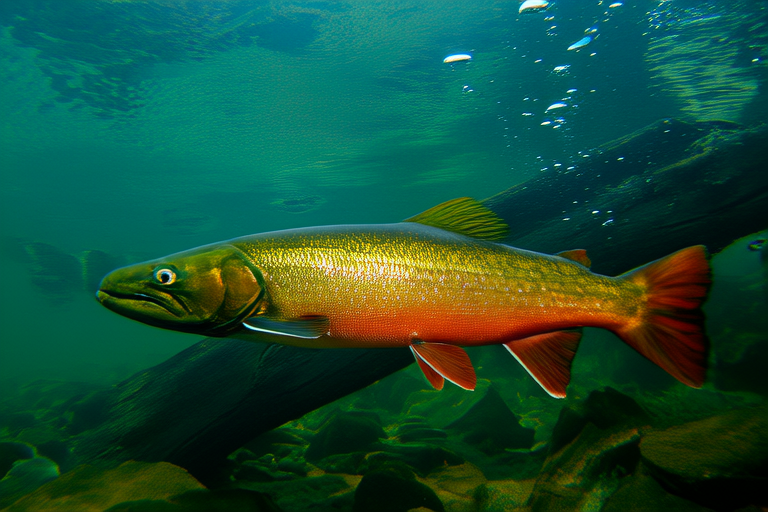
From River to Tank: The Journey of the Exotic Arowana
The arowana, often referred to as the dragonfish due to its prehistoric appearance, is one of the most fascinating creatures in the aquatic world. This majestic fish, known for its exceptional jumping abilities and elongated body, has captivated the hearts of many with its unique characteristics and rich cultural heritage. Let us embark on a journey from the wild river habitats to the controlled environments of aquariums, exploring the life of the arowana.
Native Habitats and Unique Characteristics
Arowanas are native to tropical regions across Asia, Africa, and South America. In their natural habitat, they can be found in slow-moving rivers, streams, and floodplains. These areas provide the ideal conditions for these predatory fish, offering abundant prey and shelter. The arowana’s unique adaptations include large, scaly bodies that protect them from predators, and powerful jaws lined with sharp teeth designed for catching fast-moving prey. Their ability to leap out of the water to catch birds, insects, and other aerial prey is a testament to their agility and strength.
One of the most striking features of the arowana is its large, upward-facing eyes. These eyes allow it to spot potential food above the waterline, making it an efficient hunter. Additionally, arowanas have a labyrinth organ, which enables them to breathe air directly from the surface, giving them an advantage in oxygen-depleted waters. This adaptation is crucial for their survival in their native habitats, where water quality can vary greatly.
Cultural Significance and Myths
The arowana holds significant cultural importance in various parts of the world. In Chinese culture, it is believed that the fish brings good luck and fortune, symbolizing prosperity and protection. This belief has made the arowana a popular choice for ornamental ponds and aquariums among Asian communities. The arowana’s reputation as a guardian of wealth is further reinforced by its ability to jump high, which is sometimes interpreted as warding off evil spirits.
Myths and legends surrounding the arowana add to its allure. In some Southeast Asian cultures, the fish is considered a manifestation of dragons, embodying power and wisdom. These stories have contributed to the arowana’s mystique and have played a role in its popularity as a status symbol and collector’s item. Despite its revered status, the arowana faces numerous threats in the wild, including habitat destruction and overfishing, making conservation efforts crucial.
Challenges and Considerations in Domestication
Bringing the arowana from its natural habitat to a domestic setting presents several challenges. One of the primary considerations is providing an appropriate tank environment. Arowanas require a spacious tank with ample swimming room and a secure lid, as they are known to jump out of the water. A minimum tank size of 180 gallons is recommended for adult arowanas, with additional space for each additional fish. The tank should also have robust filtration systems and regular water changes to maintain optimal water quality.
Diet is another critical aspect of arowana care. In the wild, arowanas are carnivorous, feeding on a variety of live foods such as insects, small fish, and crustaceans. In captivity, they can be fed a diet of high-quality pellets, frozen or live foods like shrimp and feeder fish. It is essential to offer a balanced diet to ensure the fish remains healthy and vibrant. Feeding should be done sparingly, as overfeeding can lead to obesity and health issues.
Proper care involves maintaining the right water parameters. Arowanas prefer slightly acidic to neutral water with a pH range of 6.5 to 7.5 and a temperature between 75°F and 84°F. Regular testing and adjustment of water chemistry are necessary to keep the arowana thriving in its new home. Additionally, providing hiding spots and structures within the tank can help reduce stress and promote a more natural behavior.
Tips for Successful Aquarium Life
To ensure a successful transition for the arowana, it is vital to acclimate the fish slowly to its new environment. Gradually introduce the fish to the tank water over several hours to prevent shock. Avoid overcrowding the tank and provide adequate space for each arowana to establish its territory. Establishing a consistent routine for feeding and maintenance will contribute to the overall well-being of the fish.
It is also important to consider the compatibility of tank mates. Arowanas can be territorial and aggressive towards other fish, especially those of similar size. Therefore, it is advisable to house them alone or with compatible species that can coexist peacefully. Regular observation and monitoring of the fish’s behavior can help identify any signs of stress or illness early on, allowing for timely intervention.
The Future Prospects and Conservation Efforts
The future of the arowana in the pet trade is closely tied to sustainable practices and conservation efforts. As demand for these exotic fish continues to grow, responsible breeding programs play a crucial role in ensuring the availability of captive-bred specimens. These programs not only reduce pressure on wild populations but also contribute to genetic diversity and the overall health of the species.
Conservation initiatives aim to protect the natural habitats of arowanas and address the threats they face in the wild. Habitat restoration projects and the establishment of protected areas are essential steps in preserving the species’ natural environment. Public awareness campaigns and education programs also play a vital role in promoting sustainable practices and encouraging responsible ownership.
In conclusion, the journey of the arowana from river to tank is a testament to the adaptability and resilience of these remarkable fish. By understanding their unique characteristics, cultural significance, and the challenges involved in their care, we can ensure that the arowana continues to thrive in both its natural and artificial environments. Through sustainable practices and ongoing conservation efforts, we can preserve the legacy of this majestic creature for generations to come.
