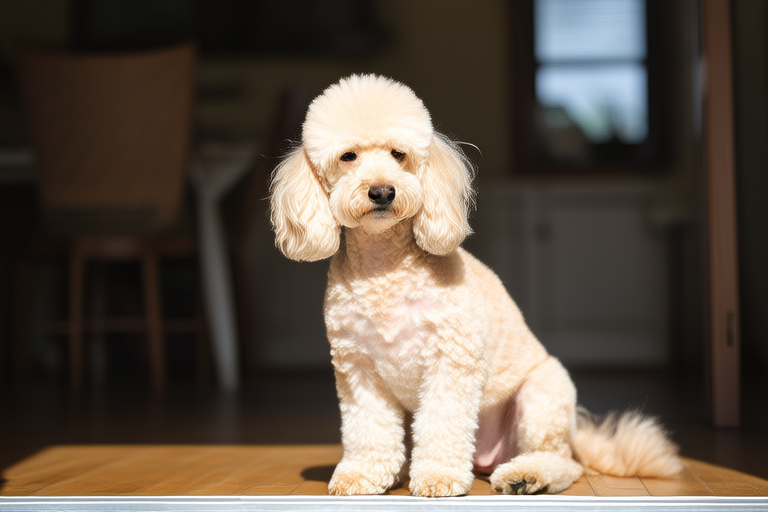
Adopting a Poodle: What Every Future Owner Needs to Know Before Saying Yes
Welcome to the world of poodles! These intelligent, lively, and loyal dogs have been a favorite among dog enthusiasts for generations. However, before you bring one home, it’s essential to understand their unique needs and characteristics. This guide will help you make an informed decision about adopting a poodle by covering everything from their personalities to health concerns.
Understanding Poodle Personalities
Poodles come in three sizes—standard, miniature, and toy—but regardless of size, they share similar personalities. They are known for being highly intelligent, energetic, and eager to please their owners. This makes them excellent candidates for training and participating in various activities such as agility courses or obedience trials.
One of the most appealing aspects of owning a poodle is their strong bond with their families. They thrive on companionship and can become quite attached to their human companions. However, this also means that they may suffer from separation anxiety if left alone for extended periods without proper stimulation.
Exercise Needs
Despite their elegant appearance, poodles require regular physical activity to stay healthy and happy. Standard poodles need more vigorous exercise compared to their smaller counterparts due to their larger size. A daily walk or jog along with some playtime in the yard is usually sufficient for standard poodles.
Miniature and toy poodles also benefit from daily walks but can manage shorter distances. It’s important to ensure these smaller breeds get enough exercise to prevent obesity and maintain good cardiovascular health. Interactive toys and games like fetch or hide-and-seek can provide mental stimulation while keeping your poodle active.
Grooming Requirements
One of the most well-known traits of poodles is their hypoallergenic coat, which doesn’t shed like other breeds. While this makes them great pets for allergy sufferers, it does mean frequent grooming is necessary. Their curly fur requires regular brushing to prevent matting and tangles.
Scheduling professional grooming appointments every six to eight weeks is recommended to keep their coats looking neat and tidy. Between professional visits, you might consider learning how to groom your poodle at home. Basic skills include trimming nails, cleaning ears, and brushing out tangles.
Dietary Considerations
Feeding your poodle a balanced diet tailored to its age, size, and activity level is crucial for maintaining optimal health. High-quality dog food containing lean proteins, whole grains, fruits, and vegetables provides essential nutrients needed for growth and energy.
Consult with your veterinarian regarding specific dietary recommendations based on your poodle’s individual needs. Avoid overfeeding, especially with treats, as poodles can easily gain weight, leading to health problems like joint issues or diabetes.
Health Issues Common in Poodles
While generally healthy, poodles are prone to certain genetic conditions that potential owners should be aware of. Hip dysplasia, a condition where the hip joint develops abnormally, can lead to arthritis and mobility issues later in life. Regular veterinary check-ups and maintaining a healthy weight can help mitigate these risks.
Epilepsy, an inherited neurological disorder causing seizures, affects some poodles. If you notice any unusual behavior or signs of distress, consult your vet immediately. Other common health concerns include Addison’s disease, bloat (gastric torsion), and eye disorders like progressive retinal atrophy.
Training Tips
Given their intelligence and desire to please, poodles are quick learners and excel in obedience training. Positive reinforcement methods work best when teaching new commands or tricks. Rewarding good behavior with praise, treats, or affection encourages repetition and strengthens the bond between you and your pet.
Consistency is key when training your poodle. Establish clear rules and expectations early on so that your dog understands what behaviors are acceptable. Patience is equally important; remember that each dog learns at its own pace.
Advice on Integrating a Poodle Into Your Family
Bringing a new poodle into your household involves more than just providing food and shelter; it requires creating a loving environment where your pet feels safe and secure. Spend quality time together playing, exercising, and socializing to build trust and strengthen your relationship.
Introduce your poodle gradually to other members of the household, including children and other pets, ensuring everyone knows how to interact respectfully. Teaching kids proper handling techniques prevents accidental injury to both child and animal.
In conclusion, adopting a poodle is a rewarding experience filled with joy and companionship. By understanding their unique needs and taking proactive steps towards their care, you set yourself up for a long-lasting, fulfilling partnership with your furry friend. Remember that every dog is different, so adapt these guidelines according to your poodle’s personality and circumstances.
