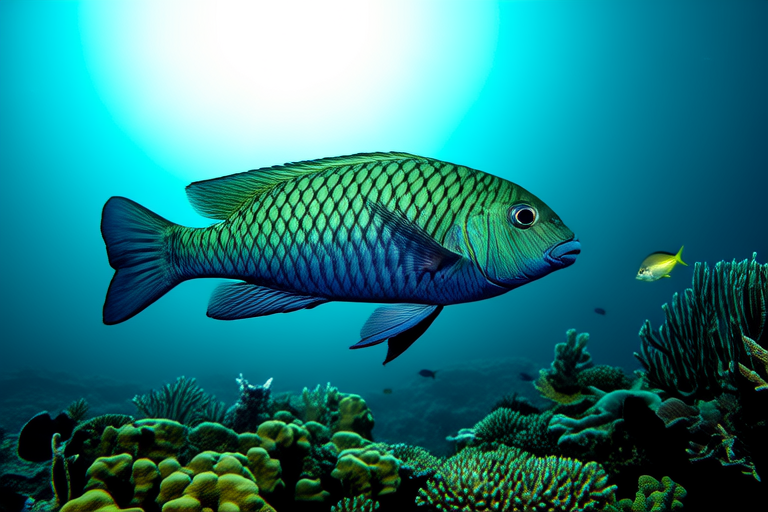
Top 10 Fascinating Facts About Parrot Fish
Parrot fish are some of the most colorful and captivating creatures that inhabit coral reefs around the world. These vibrant fish not only add a splash of color to the underwater world but also play crucial roles in maintaining the health of their ecosystems. From their unique sleeping habits to their remarkable role in shaping the environment, parrot fish offer a fascinating glimpse into the diversity of marine life. Let’s dive into the top ten fascinating facts about these remarkable fish.
1. A Rainbow of Colors
One of the first things you might notice about parrot fish is their striking appearance. With their bright hues and distinctive beak-like mouths, they stand out among other reef inhabitants. The palette ranges from electric blues and greens to fiery reds and oranges. This dazzling display isn’t just for show; it helps them blend into the colorful backdrop of coral reefs while attracting mates or intimidating rivals.
2. Architects of the Reef
Parrot fish have a significant impact on coral reefs through their feeding habits. They graze on algae-covered corals, effectively pruning the reef and preventing algae overgrowth. In doing so, they create conditions that promote the growth of new coral polyps, ensuring the health and vitality of the reef ecosystem. Their excrement also contributes to the formation of sand, which helps build and maintain the structure of beaches.
3. Sleep with Your Eyes Open
Parrot fish have developed an intriguing defense mechanism against predators. Before settling down for the night, they secrete a mucus cocoon around themselves. This slimy envelope acts as a protective barrier, concealing their scent and making it harder for nocturnal hunters to detect them. Additionally, some believe this mucus may act as a mild sedative, helping the fish relax during sleep.
4. Gender Benders
Parrot fish exhibit an unusual trait known as sequential hermaphroditism. Many species start their lives as females before transitioning into males later in life. This ability allows populations to adapt quickly to environmental changes and ensures genetic diversity. Some species even have individuals capable of switching back and forth between genders depending on social dynamics within their group.
5. Teeth That Never Stop Growing
The beak-like mouth of parrot fish serves multiple purposes. It’s used for scraping algae off rocks and coral, but it also contains rows of tiny teeth that continuously grow throughout the fish’s life. As the teeth wear down due to constant use, new ones emerge from beneath, ensuring the fish always has sharp tools for grazing. This adaptation enables them to efficiently harvest food from tough surfaces.
6. Underwater Sand Creators
When parrot fish feed, they consume large amounts of coral and rock, which pass through their digestive systems. The result? Fine particles of sand. Over time, the accumulation of these particles can contribute significantly to beach formation. On islands where coral reefs are abundant, much of the sand found on beaches originates from the digestive processes of parrot fish.
7. Social Structures
Parrot fish often live in groups called schools, which can consist of hundreds of individuals. These schools move together, foraging for food and providing protection from predators. Within these schools, there is a complex hierarchy, with dominant males usually having larger territories and more access to mating opportunities. Understanding these social structures helps researchers study how these fish interact and compete within their communities.
8. Camouflage Masters
Parrot fish possess another clever trick up their sleeves – they can change colors rapidly. This ability allows them to blend seamlessly into different backgrounds, whether hiding among algae or blending into the coral itself. This quick color shift is especially useful when avoiding predators or sneaking up on prey. It also plays a role in communication, signaling aggression, submission, or readiness to mate.
9. Nighttime Behavior
During the day, parrot fish are active grazers, moving around the reef in search of food. However, at night, their behavior changes dramatically. They retreat to safer areas of the reef, often near caves or under ledges, where they spend the evening resting. Some species will even burrow into the sand to hide further from potential threats. This nocturnal retreat underscores the importance of safe spaces within their habitat.
10. Threatened Species
Unfortunately, many species of parrot fish face threats from human activities such as overfishing, pollution, and habitat destruction. Coral reefs worldwide are deteriorating due to climate change and other factors, reducing the available habitat for these fish. Conservation efforts aimed at protecting both the fish and their environments are critical to preserving these vital members of marine ecosystems.
Call to Action
Learning about the wonders of parrot fish can inspire us to take action in protecting our oceans. Whether through supporting sustainable fishing practices, reducing plastic waste, or advocating for marine conservation policies, every effort counts. By understanding and appreciating these magnificent creatures, we can work together to ensure the survival of parrot fish and the vibrant ecosystems they inhabit.
