Unleashing the Majesty: Everything You Need to Know About Rajah Cichlid
The world of freshwater aquariums is vast and diverse, offering a myriad of choices for enthusiasts. Among these choices, the Rajah Cichlid stands out as a fascinating and majestic addition. Known scientifically as Vicarius zenkeri, this fish is not only visually stunning but also comes with unique behaviors and care requirements that make it a favorite among cichlid lovers. This comprehensive guide will take you through everything you need to know about Rajah Cichlids, from their origins to their care needs, making your journey into the world of these magnificent creatures both enriching and enjoyable.
Origins and Habitat
Rajah Cichlids originate from the Congo River Basin in Africa, specifically from the Lower Congo River. Their natural habitat is characterized by rocky environments with strong water currents. These conditions have shaped the Rajah Cichlid’s robust physique and its preference for similar setups in captivity. The river’s high oxygen levels and rocky substrate have influenced their behavior and physical attributes, making them well-adapted swimmers and diggers.
Ideal Tank Conditions
To provide a thriving environment for Rajah Cichlids, it’s crucial to replicate their natural habitat as closely as possible. A spacious tank of at least 55 gallons is recommended to accommodate their active nature and swimming space. The water should be moderately hard, with a pH level between 6.5 and 7.5, and a temperature range of 74-82°F (23-28°C). Regular water changes and efficient filtration systems are essential to maintain optimal water quality.
In terms of decor, include plenty of rocks and caves to mimic their natural rocky surroundings. These structures serve multiple purposes: they offer hiding spots, spawning sites, and contribute to the overall aesthetic appeal of the tank. Live plants can also be added, though it’s important to choose sturdy species that can withstand the fish’s digging tendencies. Java fern and Anubias are excellent choices due to their resilience and ability to thrive in such conditions.
Diet Requirements
Rajah Cichlids are omnivorous, meaning they consume both plant and animal matter. In the wild, their diet consists of insects, small crustaceans, and algae. To ensure proper nutrition in captivity, a balanced diet is necessary. High-quality pellets or flakes designed for cichlids form the foundation of their diet. Additionally, supplement their meals with live or frozen foods such as brine shrimp, bloodworms, and daphnia. Occasional servings of vegetables like blanched spinach or zucchini can also be beneficial.
It’s important to avoid overfeeding, as this can lead to poor water quality and obesity. Feed them twice daily, providing only what they can consume within a few minutes. Monitoring their eating habits will help you gauge the right amount to offer, ensuring their health and well-being.
Behavioral Traits
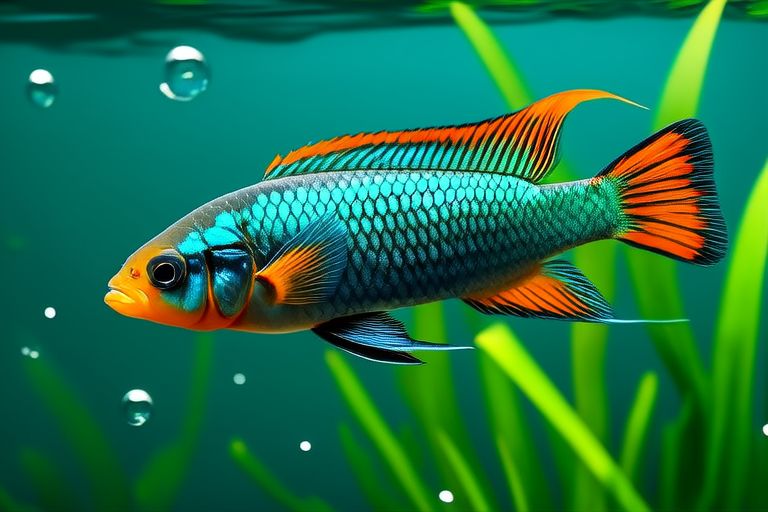
Rajah Cichlids are known for their vibrant colors and striking patterns, which include shades of blue, yellow, and black. Males typically exhibit more pronounced coloration compared to females. Their temperament can vary; while some individuals are peaceful, others may display aggressive behavior, especially during breeding seasons or when competing for territory. It’s advisable to keep one male per tank to minimize potential conflicts.
These fish are highly territorial and enjoy digging. They will often rearrange the substrate in search of food or to establish their domain. Providing ample hiding spots and caves helps reduce stress and encourages natural behaviors. Despite their aggression towards conspecifics, Rajah Cichlids can coexist peacefully with larger, non-aggressive species. However, caution must be exercised when introducing new tank mates, as sudden changes can trigger defensive reactions.
Breeding Habits
Breeding Rajah Cichlids can be a rewarding experience for dedicated aquarists. Establishing a stable pair is the first step. Once bonded, the female will lay eggs in a carefully chosen location, usually a flat surface or cave. The male then fertilizes the eggs, after which both parents guard the clutch fiercely. This parental care extends beyond egg-laying, as they protect the fry until they are large enough to fend for themselves.
Creating suitable breeding conditions involves maintaining pristine water quality and providing ample hiding spots. A separate breeding tank might be necessary to prevent aggression towards other fish. Ensuring a steady supply of live foods for the fry is crucial for their growth and development. With patience and attention to detail, breeding Rajah Cichlids can yield beautiful offspring, adding to the joy of keeping these magnificent fish.
Common Health Issues
Like any aquatic creature, Rajah Cichlids are susceptible to various health issues. Common ailments include bacterial infections, parasitic infestations, and swim bladder disorders. Maintaining excellent water quality through regular maintenance and appropriate filtration systems is key to preventing many of these problems. Quarantine new additions before introducing them to the main tank to avoid introducing diseases.
If signs of illness appear, such as lethargy, loss of appetite, or unusual spots, consult a veterinarian specializing in exotic pets. Early detection and treatment significantly improve recovery chances. Keeping a close eye on your fish’s behavior and appearance allows for prompt action, ensuring their longevity and well-being.
Unique Characteristics
What sets Rajah Cichlids apart from other species is their striking appearance and dynamic behavior. Their vivid colors and intricate patterns make them a focal point in any aquarium. Moreover, their interactive nature adds an element of excitement to observing them. Watching them dig and explore their environment showcases their intelligence and adaptability.
Another unique trait is their role in the ecosystem. In the wild, they play a significant part in nutrient cycling and maintaining biodiversity. By simulating their natural habitats and behaviors in captivity, aquarists contribute to preserving these vital ecological functions.
Tips for First-Time Owners and Enthusiasts
For those considering Rajah Cichlids, there are several tips to ensure a successful introduction:
- Research Thoroughly: Understanding the specific needs and behaviors of Rajah Cichlids equips you with the knowledge required for their care.
- Prepare Adequately: Set up a properly sized and equipped tank before bringing home your new fish. This includes installing filters, heaters, and decorations.
- Monitor Water Quality: Regular testing and maintenance are crucial for maintaining healthy living conditions.
- Introduce Gradually: When adding new fish, do so gradually to allow them to acclimate to their new environment without undue stress.
- Provide Enrichment: Offer a variety of foods and hiding spots to stimulate natural behaviors and promote mental stimulation.
By following these guidelines, you’ll create a nurturing environment where Rajah Cichlids can thrive, showcasing their majesty and charm.
Conclusion
Rajah Cichlids are truly majestic creatures that bring a touch of the wild into our homes. Their vibrant colors, intriguing behaviors, and unique care requirements make them a standout choice for aquarists. By understanding their origins, ideal tank conditions, dietary needs, behavioral traits, breeding habits, and common health issues, you can provide them with the best possible care. Whether you’re a seasoned enthusiast or a newcomer to the world of cichlids, Rajah Cichlids promise an enriching and rewarding experience. Embrace the opportunity to witness their magnificence firsthand and join the ranks of those who appreciate the beauty and complexity of these remarkable fish.
