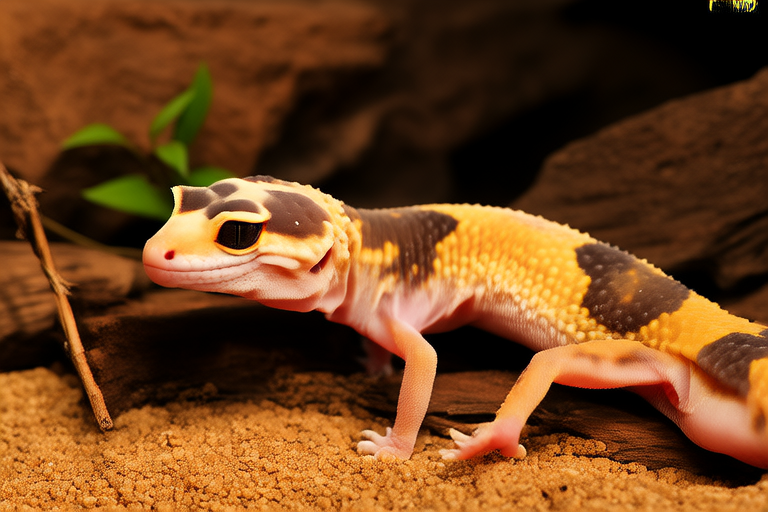
Leopard Gecko Care Guide: Everything You Need to Know Before Adopting One
Welcome to your comprehensive guide on caring for Leopard Geckos! This friendly and informative guide will cover everything you need to know before adopting one of these fascinating reptiles. From habitat setup to diet and health concerns, we’ll ensure you’re well-prepared for your new pet.
Habitat Setup
The first step in providing proper care for your Leopard Gecko is setting up their home correctly. Leopard Geckos require a spacious enclosure that mimics their natural environment. A 20-gallon tank is suitable for a single adult, while a pair or trio might need a 40-gallon tank.
Substrate is crucial for maintaining hygiene and preventing impaction. Reptile carpet, paper towels, or tile flooring are safe options. Avoid loose substrates like sand or gravel, as they can cause health issues.
Incorporate hiding spots and climbing structures such as cork bark, caves, and branches. These elements help reduce stress and encourage natural behaviors. Maintain a clean environment by regularly cleaning the enclosure and removing waste.
Temperature and Lighting Requirements
Proper temperature regulation is vital for your Leopard Gecko’s health. Maintain a temperature gradient within the enclosure, with a warm side between 88-90°F (31-32°C) and a cooler side around 75-80°F (24-27°C). Use under-tank heaters, ceramic heat emitters, or reptile heat mats to achieve this gradient.
Adequate humidity levels are also essential, ideally between 30-40%. Leopard Geckos prefer a dry environment, so misting the enclosure is unnecessary. However, it’s good practice to provide a humid hide filled with moist substrate for shedding purposes.
While Leopard Geckos don’t require UVB lighting, it’s still beneficial for their overall health. A low-level UVB light can be provided, especially if the gecko spends time outside the enclosure. Always use a timer to maintain a consistent day-night cycle, usually 12 hours of light followed by 12 hours of darkness.
Diet and Feeding Habits
Leopard Geckos are insectivores, meaning their diet consists mainly of insects. Crickets, mealworms, dubia roaches, and waxworms are common food sources. Feed your gecko every other day, offering as many insects as they can consume in about 15 minutes.
Vary the diet to ensure a balanced nutrition intake. Dust the insects with calcium and vitamin D3 supplements at least twice a week. Gut loading insects before feeding them to your gecko is another way to enhance their nutritional value.
Water is essential for hydration. Provide a shallow water dish that is easily accessible and cleaned daily. Leopard Geckos may not drink from standing water, so occasional misting can aid in hydration.
Health Concerns
Like any pet, Leopard Geckos can experience health issues. Metabolic Bone Disease (MBD) is a common problem caused by calcium deficiency. Signs include swollen limbs, soft jaw, and lethargy. Regular supplementation and a balanced diet can prevent MBD.
Impaction occurs when substrate is ingested, causing blockages in the digestive tract. Prevent this by using safe substrates and feeding in a separate container. If you suspect impaction, consult a veterinarian immediately.
Mouth rot, respiratory infections, and parasites are other potential health concerns. Regular veterinary check-ups and a clean environment can help prevent these issues. Early detection and treatment are key to maintaining your gecko’s health.
Breeding Information
Breeding Leopard Geckos requires specialized knowledge and equipment. If you’re interested in breeding, it’s essential to research thoroughly and consult experienced breeders. Proper temperature cycling and a balanced diet are crucial for successful breeding.
Female Leopard Geckos can lay multiple clutches of eggs per year, typically two eggs per clutch. Incubation temperatures determine the sex of the offspring. Cooler temperatures produce more males, while warmer temperatures result in more females.
Behavioral Insights
Leopard Geckos are generally docile and easy to handle. They are nocturnal, meaning they are most active during the night. Handling should be done gently and infrequently, as excessive handling can cause stress.
Leopard Geckos are solitary creatures and prefer to be alone. Housing multiple geckos together can lead to stress and aggression. If you want to keep multiple geckos, provide separate enclosures.
These reptiles communicate through body language and vocalizations. Tail-dropping is a defense mechanism used when threatened. The tail will regenerate, but it’s best to avoid situations where your gecko feels the need to drop its tail.
Leopard Geckos have unique personalities, and spending time observing them can be rewarding. Each gecko has its own preferences and quirks, making them fascinating pets to watch.
By following the guidelines in this Leopard Gecko Care Guide, you’ll be well-equipped to provide a happy and healthy life for your new pet. Remember, patience and dedication are key to successfully caring for these delightful reptiles. Enjoy your journey with your new friend!
