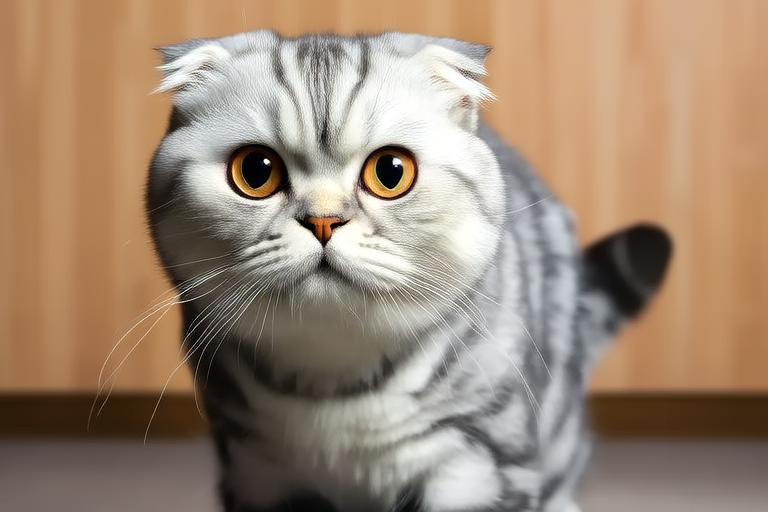
Exploring the Unique Traits of American Shorthair Cats
The American Shorthair is one of the oldest and most popular cat breeds in the United States, but it remains relatively unknown to many potential pet owners. This breed has a rich history and possesses several unique traits that make it stand out from other cat breeds. In this article, we will explore the distinct characteristics of American Shorthair cats, including their health, temperament, grooming needs, adaptability, intelligence, and historical and genetic factors that contribute to their distinctive qualities. We’ll also discuss their behavior, interaction with families, and suitability as pets for different living environments. Finally, we’ll address some common myths and misconceptions about the breed.
A Brief History of the American Shorthair
The American Shorthair originated in Europe and was brought to North America by early settlers. These cats were valued for their hunting abilities and helped control rodent populations on ships and farms. Over time, they adapted to various environments and became well-suited to life in the New World. The breed’s name was officially changed from “Domestic Shorthair” to “American Shorthair” in 1966 to reflect its heritage and distinguish it from other domestic shorthair cats.
Health Considerations
American Shorthair cats are generally healthy and have a low incidence of hereditary diseases. However, like all cats, they can be prone to certain conditions. Some of the most common health issues include:
- Polycystic kidney disease (PKD): This inherited condition causes cysts to develop in the kidneys, which can lead to kidney failure. While PKD is more commonly found in Persian cats, it can affect American Shorthairs as well. Responsible breeding practices and regular veterinary check-ups can help reduce the risk of PKD.
- Hypertrophic cardiomyopathy (HCM): HCM is a heart condition that causes the walls of the heart to thicken, making it harder for the heart to pump blood effectively. Early detection through echocardiograms and genetic testing can help manage this condition.
- Obesity: American Shorthairs are known for their robust build, but excessive weight gain can lead to health problems such as diabetes, arthritis, and respiratory issues. Providing a balanced diet and encouraging regular exercise can help maintain a healthy weight.
Regular veterinary care, a nutritious diet, and plenty of exercise are essential for keeping your American Shorthair healthy and happy. Additionally, spaying or neutering your cat can prevent certain cancers and behavioral issues.
Temperament and Behavior
American Shorthair cats are known for their friendly and laid-back personalities. They are generally calm, gentle, and affectionate, making them excellent companions for families with children and other pets. These cats enjoy interacting with their human family members but are not overly demanding of attention. They are often described as being “independent” rather than clingy, meaning they can entertain themselves when necessary but still appreciate quality time with their owners.
American Shorthairs are also intelligent and curious creatures. They enjoy exploring their surroundings and solving puzzles, which can keep them mentally stimulated. Providing toys that encourage problem-solving, such as treat-dispensing balls or interactive feeders, can help satisfy their curiosity and prevent boredom.
One of the most endearing traits of American Shorthair cats is their playful nature. They often retain a kitten-like playfulness throughout their lives, which can make them fun and entertaining companions. Many owners report that their American Shorthair cats love to chase after toys, pounce on objects, and engage in mock battles with their owners or other pets.
Grooming Needs
American Shorthair cats have short, dense coats that require minimal grooming. Their fur is naturally shiny and soft, thanks to their healthy diet and good hygiene. Regular brushing once or twice a week can help remove loose hair and prevent matting, especially during shedding seasons. Bathing is usually unnecessary unless your cat gets into something messy, as their coat is naturally self-cleaning.
Despite their short fur, American Shorthairs can still experience seasonal shedding, particularly in the spring and fall. During these times, you may need to increase the frequency of brushing to keep up with the extra shedding. Using a slicker brush or a fine-toothed comb can help remove dead hair and distribute natural oils throughout the coat.
In addition to grooming, maintaining good dental hygiene is important for your American Shorthair’s overall health. Tartar buildup can lead to gum disease and other oral health issues, so providing dental treats or toys and scheduling regular dental cleanings at the vet can help keep your cat’s teeth and gums healthy.
Adaptability and Intelligence
American Shorthair cats are highly adaptable and can thrive in a variety of living environments. Whether you live in an apartment, house, or rural area, these cats can adjust to their surroundings with ease. They are comfortable in both indoor and outdoor settings, though it is recommended to keep them indoors for their safety.
These cats are intelligent and quick learners, which makes training them relatively easy. Positive reinforcement techniques, such as offering treats or praise, can help teach your American Shorthair basic commands or tricks. They are also capable of understanding household routines and can become accustomed to regular schedules for feeding, playing, and sleeping.
Myths and Misconceptions
There are several myths and misconceptions about American Shorthair cats that can discourage potential owners from considering this breed. One common misconception is that all American Shorthairs are overweight. While it is true that these cats have a robust build, proper nutrition and exercise can help maintain a healthy weight. Another myth is that American Shorthairs are not suitable for families with young children. In reality, these cats are generally patient and tolerant, making them great companions for children.
Another misconception is that American Shorthairs are not as active as other cat breeds. While they may not be as hyperactive as some breeds, American Shorthairs are still playful and enjoy physical activity. Providing them with appropriate toys and space to explore can help keep them physically and mentally stimulated.
Suitability as Pets
American Shorthair cats are well-suited for a wide range of living environments and family situations. Their calm and gentle demeanor makes them ideal companions for families with children and other pets. They are also adaptable to different lifestyles, whether you live in a small apartment or a large home.
For individuals who work long hours or travel frequently, American Shorthairs can be a good choice because they are independent and can entertain themselves when necessary. However, they still appreciate regular interaction and companionship, so it’s important to provide them with attention and stimulation when possible.
If you’re considering adopting an American Shorthair, it’s important to research reputable breeders or shelters and ensure that the cat you choose is healthy and well-socialized. Providing a loving and stable environment, along with proper care and attention, will help your new feline friend thrive.
Conclusion
American Shorthair cats are a unique and versatile breed with many endearing qualities. From their robust health to their friendly and playful personalities, these cats make excellent companions for families and individuals alike. By understanding their specific needs and characteristics, potential owners can ensure that they provide the best possible care for their new furry friend. With proper care and attention, American Shorthair cats can bring years of joy and companionship to their human families.
