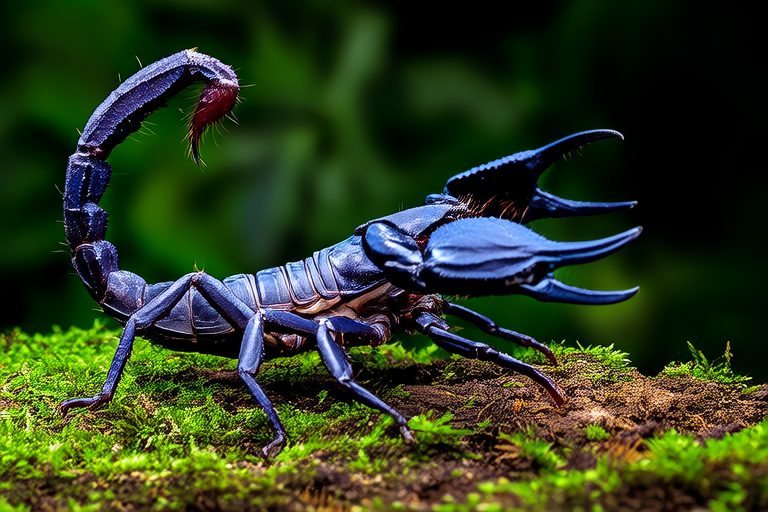
Heterometrus Spinifer: A Unique Addition to Exotic Pet Collections
Introduction
The world of exotic pets is vast and varied, offering enthusiasts a wide array of creatures to choose from. Among these, the Heterometrus spinifer, commonly known as the Asian forest scorpion, stands out as a unique and captivating choice. This article delves into the distinct features, natural habitat, care requirements, and health considerations of the Heterometrus spinifer, providing a comprehensive guide for potential owners and animal enthusiasts alike.
Brief Overview of Heterometrus Spinifer
The Heterometrus spinifer is a species of scorpion native to Southeast Asia. It belongs to the family Scorpionidae and is part of the genus Heterometrus. This species is known for its impressive size and unique physical characteristics. Adult Heterometrus spinifers can reach lengths of up to 15 centimeters, making them one of the larger scorpions in their range. Their bodies are robust, with a dark brown or black coloration that provides excellent camouflage against the forest floor. One of the most striking features of this species is the presence of a prominent spine located on the dorsal surface of the first segment of the pedipalps, hence the name ‘spinifer,’ which translates to ‘spiny bearer.’ The spine is used for defense and hunting, adding an element of danger that captivates many who are drawn to these creatures.
Natural Habitat and Behavior
In the wild, Heterometrus spinifers inhabit tropical forests and rainforests throughout Southeast Asia, including regions of India, Thailand, Malaysia, and Indonesia. These scorpions prefer humid environments with plenty of vegetation and hiding spots, where they can remain hidden during the day and emerge at night to hunt. They are primarily nocturnal, spending their days in burrows or under rocks and logs. Their natural diet consists mainly of insects and other small invertebrates, which they catch using their powerful pincers and venomous stinger. The Heterometrus spinifer’s behavior in the wild is fascinating; they are solitary creatures, and interactions between individuals are rare, except during mating season. Understanding their natural environment and behavior helps prospective owners provide the best possible care for these animals.
Care Requirements
For those considering the Heterometrus spinifer as a pet, understanding the specific care requirements is crucial. Housing for these scorpions should mimic their natural habitat as closely as possible. A terrarium of at least 18 inches in length, width, and height is recommended to provide ample space for movement and exploration. The substrate should be a mix of peat moss and coconut fiber, ensuring it retains moisture while allowing for drainage. This substrate should be kept moist but not waterlogged, as excessive moisture can lead to respiratory issues. Providing a shallow water dish is essential for hydration, and regular misting can help maintain humidity levels within the enclosure.
Temperature and humidity are critical factors in maintaining the health of Heterometrus spinifers. An ambient temperature of around 75 to 85 degrees Fahrenheit (24 to 29 degrees Celsius) is ideal, with a humidity level between 70% and 80%. Heat lamps or under-tank heating pads can be used to regulate temperature, while a hygrometer will assist in monitoring humidity levels. It is important to avoid sudden changes in temperature or humidity, as these can stress the scorpion and potentially lead to health problems.
Diet is another crucial aspect of caring for these scorpions. In captivity, Heterometrus spinifers can be fed a variety of insects, including crickets, mealworms, and dubia roaches. It is advisable to gut-load the feeder insects with nutritious foods before feeding them to the scorpion. Feeding frequency depends on the age and size of the scorpion, with younger specimens requiring more frequent meals. Adult scorpions can be fed every two weeks, while juveniles may need food twice weekly. Ensuring a balanced diet is key to maintaining the health and longevity of your pet.
Common Health Issues and Prevention
Like any pet, Heterometrus spinifers are susceptible to certain health issues. Respiratory infections can occur if the enclosure is too damp, so it is vital to monitor humidity levels and ensure proper ventilation. Mites are another common problem, often introduced through contaminated substrate or feeder insects. Regularly cleaning the enclosure and quarantining new additions can help prevent infestations. Additionally, overfeeding can lead to obesity, which can impair mobility and increase susceptibility to other health issues. Proper nutrition and exercise are essential for maintaining optimal health.
Veterinary care for scorpions is limited, so prevention is key. Regular observation and prompt action at the first sign of illness are crucial. Consulting with a veterinarian experienced in exotic pets can provide valuable guidance on maintaining the health of your Heterometrus spinifer. Vaccinations are not necessary for scorpions, but routine check-ups can help identify potential issues early on.
Why Heterometrus Spinifer Makes a Fascinating Addition to Exotic Pet Collections
The Heterometrus spinifer is a captivating and unique addition to any exotic pet collection. Its large size, striking appearance, and intriguing behavior make it a fascinating subject for observation. For those interested in arachnids, the Heterometrus spinifer offers a rare opportunity to connect with nature in a profound way. However, it is important to approach the ownership of these creatures responsibly. Potential owners should thoroughly research the species, understand their needs, and commit to providing the appropriate care. Responsible ownership includes being prepared for the long-term commitment involved in caring for these animals and ensuring their well-being.
In conclusion, the Heterometrus spinifer is a remarkable species that can bring joy and fascination to those who choose to keep them as pets. By understanding their origins, care requirements, and potential health issues, owners can ensure the well-being of these creatures and enjoy a rewarding experience with their exotic pets.
