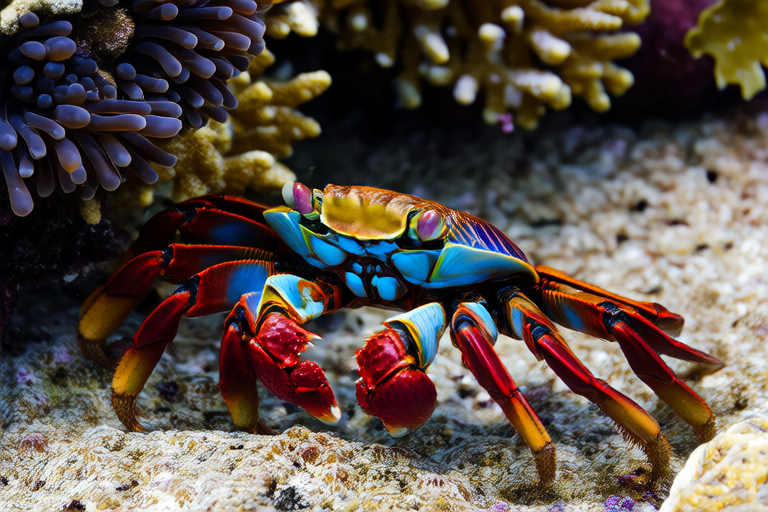
Hermit Crabs: From Ocean to Terrarium
Hermit crabs are fascinating creatures that inhabit a variety of environments, from the vast oceans to the smaller terrariums found in homes. These crustaceans are known for their unique lifestyle, which includes changing shells and living in complex social structures. This article explores the diverse habitats and lifestyles of hermit crabs, starting from their natural ocean environments and moving to their adaptation in terrariums as pets.
Natural Habitats and Behavior
Hermit crabs are primarily found in marine environments, though some species can also be found in brackish water or even freshwater. They live in shallow waters along coastlines, where they can find ample food and shelter. Hermit crabs have a soft, vulnerable abdomen, which they protect by carrying an empty snail shell. This behavior is what gives hermit crabs their name, as they “hermit” themselves inside these shells for protection.
The process of finding a new shell is crucial for hermit crabs. As they grow, they need larger shells to accommodate their expanding bodies. When a suitable shell becomes available, the crab will carefully inspect it, often testing its weight and size before making the switch. This shell-changing behavior is essential for the crab’s survival, as it provides protection from predators and harsh environmental conditions.
Dietary Needs
Hermit crabs are omnivorous scavengers, feeding on a wide range of organic matter, including dead animals, plants, and algae. In the wild, they play a vital role in breaking down decaying material, helping to maintain the health of their ecosystems. Their diet consists of small pieces of fish, shrimp, and other marine life, as well as plant matter like seaweed. Providing a varied diet is important for hermit crabs in captivity, as it ensures they receive all the necessary nutrients.
Social Interactions
Hermit crabs are generally social animals and often live in large groups. They communicate with each other through a series of chirps and clicks, which are produced by rubbing their body parts together. These sounds serve various purposes, such as attracting mates, warning others of danger, or establishing dominance within the group. In the wild, hermit crabs can be observed gathering in large numbers around food sources or during mating season.
Challenges in the Wild
Despite their adaptability, hermit crabs face several challenges in their natural habitats. One of the most significant threats comes from habitat destruction, particularly coastal development and pollution. These factors can lead to a decline in the availability of suitable shells, which are essential for the crabs’ survival. Additionally, overfishing and climate change can disrupt the balance of marine ecosystems, affecting the availability of food and shelter for hermit crabs.
Adaptation in Terrariums
Hermit crabs have become popular pets due to their unique appearance and relatively low maintenance requirements. However, caring for these creatures properly requires understanding their specific needs and providing an enriched environment. A well-designed terrarium should mimic the crabs’ natural habitat as closely as possible, with appropriate substrate, temperature, humidity, and hiding places. It is also essential to provide a variety of shells for the crabs to choose from, allowing them to change shells when necessary.
Caring for Hermit Crabs as Pets
When keeping hermit crabs as pets, it is crucial to create an environment that meets their physical and psychological needs. The terrarium should be spacious enough to allow the crabs to move freely and explore. The substrate should be deep enough to allow burrowing, and it should be kept moist to maintain proper humidity levels. The temperature within the terrarium should be maintained between 75 and 85 degrees Fahrenheit (24 to 29 degrees Celsius) to ensure optimal health.
In addition to providing a suitable habitat, it is important to offer a varied diet to hermit crabs in captivity. This can include commercial hermit crab food, fresh fruits and vegetables, and occasional treats like small pieces of fish or shrimp. Regularly cleaning the terrarium and providing fresh water is also essential for maintaining the health of the crabs.
Environmental Enrichment and Health Maintenance
To promote the well-being of hermit crabs in captivity, it is important to provide them with environmental enrichment. This can include adding branches, rocks, and other objects to the terrarium to encourage exploration and climbing. Hermit crabs are curious creatures and enjoy investigating their surroundings, so offering new items periodically can help stimulate their senses and prevent boredom.
Health maintenance is another critical aspect of hermit crab care. Regular observation can help detect any signs of illness or distress early on. Common health issues include molting problems, shell rot, and parasitic infections. If any of these conditions are suspected, it is advisable to consult a veterinarian who specializes in exotic pets for proper diagnosis and treatment.
Ethical Considerations
While hermit crabs can make interesting and rewarding pets, there are ethical considerations to keep in mind. Ensuring that the crabs are obtained from sustainable sources is crucial to avoid contributing to the depletion of wild populations. Additionally, it is important to consider the welfare of the crabs throughout their lives as pets. Providing them with an enriched environment and meeting their specific needs can help ensure their happiness and well-being.
Ecological Importance
Hermit crabs play a significant role in their ecosystems, contributing to nutrient cycling and helping to maintain the health of marine environments. By breaking down organic matter, they assist in the decomposition process, which is essential for nutrient recycling. Furthermore, hermit crabs contribute to biodiversity by interacting with other species in their habitats, forming part of complex food webs.
Understanding the ecological importance of hermit crabs highlights the responsibility we have as pet owners to care for these creatures ethically and responsibly. By providing them with a suitable environment and meeting their specific needs, we can help ensure their well-being while enjoying their company as pets.
