Bet You Didn’t Know These Fun Facts About Betta Fish
Betta fish, also known as Siamese fighting fish, are one of the most popular choices for home aquariums. Their vibrant colors, flowing fins, and fascinating behaviors make them a favorite among both novice and experienced aquarists. But did you know that these seemingly simple creatures have some truly surprising and lesser-known facts? From their natural habitats to their dietary habits and unique behaviors, betta fish are full of surprises. In this article, we’ll dive into some captivating fun facts about betta fish, providing insights that will enrich your understanding and appreciation of these remarkable creatures.
Origins and Natural Habitat
Betta fish originated in Southeast Asia, particularly in Thailand, Cambodia, and parts of Malaysia. They are native to slow-moving waters such as rice paddies, canals, and floodplains. These environments are often characterized by warm temperatures and low oxygen levels, which have shaped the betta’s evolutionary adaptations. For instance, bettas possess a specialized organ called the labyrinth organ, which allows them to breathe air directly from the surface. This adaptation is crucial because it enables them to survive in waters with low oxygen levels.
In their natural habitat, bettas often live in densely vegetated areas where they can find shelter among the aquatic plants. This environment mimics what they would experience in captivity, so providing similar conditions in an aquarium can enhance their well-being. Interestingly, the betta’s ability to thrive in low-oxygen environments means they can survive in smaller spaces, which is why they are often kept in smaller tanks or bowls. However, it’s important to note that while bettas can adapt to these conditions, larger, well-filtered tanks are preferable for their health and longevity.
Behavior and Social Dynamics
Betta fish are known for their aggressive tendencies, especially towards other male bettas. This aggression stems from their territorial nature, which is a survival mechanism in the wild. Male bettas defend their territory against rivals to secure resources like food and mating opportunities. While this behavior can be entertaining to watch, it’s crucial to understand the implications when keeping multiple bettas together. Experts recommend housing only one male betta per tank unless a large, spacious environment with ample hiding spots and plants is provided. Even then, careful monitoring is necessary to prevent conflicts.
Contrary to popular belief, female bettas are less aggressive and can coexist peacefully in groups, a phenomenon known as a sorority. These groups form social bonds and engage in cooperative behaviors. Observing a sorority can provide a fascinating insight into the social dynamics of bettas. Female bettas also exhibit a unique behavior called bubblenetting, where they create bubbles at the water’s surface. These bubbles serve as a safe haven for their eggs, protecting them from predators and providing an oxygen-rich environment for the developing fry.
Diet and Feeding Habits
The diet of betta fish plays a significant role in their health and longevity. In the wild, bettas are omnivores, feeding on insects, insect larvae, small crustaceans, and plant matter. Their diet in captivity should reflect this diversity to ensure proper nutrition. Many novice aquarists mistakenly believe that bettas can survive solely on flake food, but a balanced diet is essential. High-quality betta pellets, supplemented with occasional live or frozen foods such as brine shrimp, daphnia, and bloodworms, can provide the necessary nutrients. Additionally, introducing some vegetable matter, like finely chopped spinach or blanched peas, can benefit their digestive system.
Feeding bettas correctly also involves understanding their feeding patterns. Betta fish have a relatively high metabolism, and they should be fed two to three times daily. However, overfeeding can lead to health issues such as swim bladder disorders and poor water quality. It’s important to feed them only as much as they can consume within a few minutes, ensuring that no uneaten food remains in the tank. This practice helps maintain optimal water conditions and supports the betta’s overall health.
Physical Characteristics and Adaptations
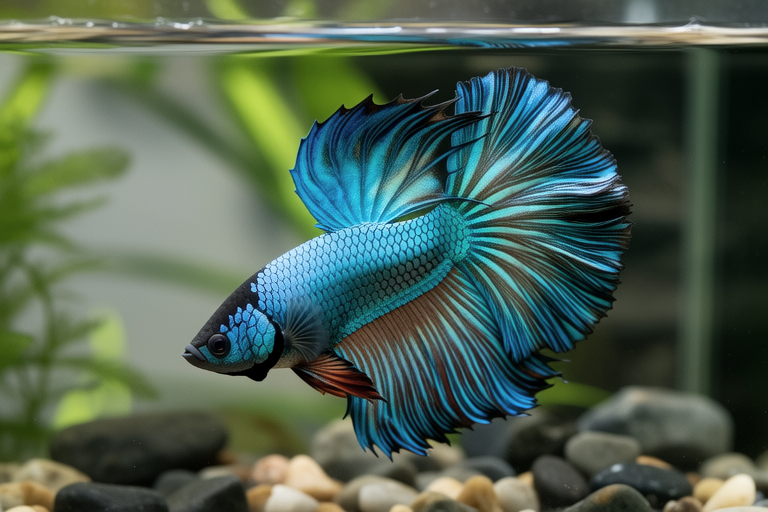
Betta fish are renowned for their striking colors and elaborate fins, which have made them a favorite among aquarists. The vibrant hues of bettas are due to pigments in their skin, which are influenced by genetics and environmental factors. Selective breeding has led to an array of color variations, including vibrant reds, blues, yellows, and even metallic shades. However, beyond their aesthetic appeal, these colors play a crucial role in their survival. Bright colors can serve as a warning to potential predators, signaling the betta’s ability to defend itself.
The betta’s fins, particularly those of males, are another remarkable feature. Male bettas have elongated, flowing fins that are used for courtship displays and territorial displays. These fins are not just for show; they are also functional. The fins help bettas maneuver through their environment, allowing them to dart quickly and change direction rapidly. Interestingly, the length and shape of the fins can vary significantly between different betta breeds, showcasing the diversity within the species.
Health and Longevity
Proper care is essential for ensuring the health and longevity of betta fish. Understanding their specific needs can greatly improve their quality of life. One key aspect of betta care is maintaining optimal water conditions. Betta fish prefer water temperatures between 76°F and 82°F (24°C and 28°C). A stable temperature is crucial because bettas are sensitive to temperature fluctuations, which can stress them and lead to health issues. Using a reliable aquarium heater and thermometer can help maintain consistent water temperatures.
Water quality is equally important. Bettas produce waste, and if left unchecked, this can lead to ammonia and nitrite spikes, which are toxic to fish. Regular water changes, typically 25% to 50% weekly, are necessary to keep the water clean and free from harmful substances. Additionally, using a high-quality aquarium filter can help maintain good water circulation and remove debris. It’s worth noting that while bettas can tolerate less-than-ideal water conditions, providing optimal conditions will significantly extend their lifespan.
Tips for Optimal Betta Fish Care
Based on the fascinating facts we’ve explored, here are some tips to ensure your betta fish live a long and healthy life:
- Provide a Suitable Environment: Offer a tank size of at least five gallons for a single betta, with plenty of hiding spots and vegetation. This mimics their natural habitat and reduces stress.
- Feed a Balanced Diet: Supply a variety of foods, including pellets, live or frozen foods, and occasional vegetables, to meet their nutritional needs.
- Maintain Water Quality: Perform regular water changes and use a high-quality filter to keep the water clean and free from toxins.
- Monitor Temperature: Keep the water temperature stable between 76°F and 82°F (24°C and 28°C) to prevent stress and illness.
- Avoid Aggressive Housing: Only house one male betta per tank unless you provide a large, well-planted environment with plenty of hiding spots. Females can be housed together in a sorority.
By following these tips and gaining a deeper understanding of betta fish behavior, diet, and habitat, you can provide your betta with the best possible care. Whether you’re a seasoned aquarist or new to the hobby, these insights will enhance your appreciation for these fascinating creatures and ensure they thrive in your aquarium.
