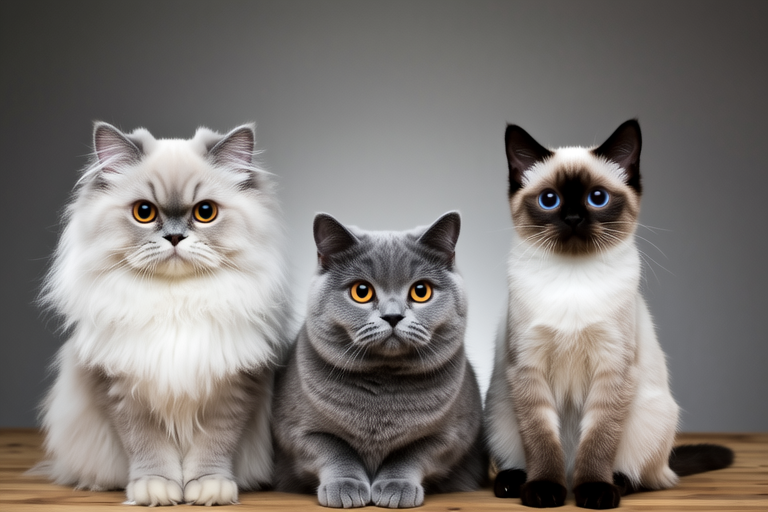
Persian Cats vs Other Breeds: What Sets Them Apart?
Welcome to an in-depth exploration of one of the most beloved feline breeds, the Persian cat. Known for their striking appearance and gentle demeanor, Persians have captivated hearts for centuries. This article will compare them with other popular breeds—Maine Coons, Siamese, and British Shorthairs—highlighting their unique characteristics, from physical traits to personality quirks. We’ll delve into their grooming needs, health considerations, and suitability for various household environments, offering valuable insights for both seasoned cat lovers and those considering adopting a new furry companion.
Distinctive Characteristics of Persian Cats
Appearance
The Persian cat’s hallmark is its long, luxurious coat that drapes elegantly around its body. Their round heads feature large, expressive eyes set in a broad face, contributing to their iconic ‘doll-like’ appearance. The genetic makeup responsible for this look includes genes that influence facial structure and fur length. For instance, mutations in specific genes can lead to the flattened faces characteristic of some Persians, a trait known as brachycephaly.
Persians come in a wide array of colors and patterns, making them versatile additions to any home. Their coats require regular brushing to prevent matting and keep their luxurious appearance intact. Despite their delicate looks, Persians are robust and sturdy, well-suited to indoor living.
Temperament
Persians are renowned for their calm and affectionate nature. They enjoy lounging around and are often found curled up in cozy spots, basking in the warmth of their human companions. These cats tend to be less active than many other breeds, preferring quieter environments. However, they still form strong bonds with their owners and can be quite playful, especially during kittenhood.
Due to their docile personalities, Persians generally get along well with children and other pets when introduced properly. Their even temperaments make them ideal for households seeking a serene and loving presence.
Grooming Needs
Maintaining a Persian’s coat requires dedication. Daily brushing is necessary to prevent tangles and mats, ensuring their fur remains soft and lustrous. Regular bathing may also be needed, though it should be done carefully to avoid skin irritation. Additionally, their eyes need frequent cleaning due to the tendency for tear staining caused by their facial structure.
In contrast, shorter-haired breeds such as the British Shorthair require minimal grooming beyond occasional brushing. This makes them easier to care for, particularly for busy families or those new to cat ownership.
Health Issues
Persians are prone to certain health conditions, some linked to their genetics. Respiratory problems can arise from their flat faces, affecting breathing efficiency. Polycystic kidney disease (PKD) is another concern, affecting many Persians. Early detection through genetic testing can help manage this condition.
While all cats should receive regular veterinary check-ups, Persians may benefit from more frequent visits due to their predisposition towards certain ailments. Proper nutrition and a healthy lifestyle can significantly improve their quality of life.
Maine Coon Cats
Appearance
Maine Coons are larger than Persians, often reaching sizes comparable to medium-sized dogs. They possess a thick, water-resistant coat designed for colder climates. Their tufted ears and bushy tails add to their majestic appearance. Unlike Persians, Maine Coons have longer legs and a more triangular head shape.
Their coats come in various colors but are typically brown tabby or black. Their striking appearance is partly due to genetic factors influencing coat thickness and pattern distribution.
Temperament
Maine Coons are known for their friendly and sociable nature. They are intelligent and curious, often engaging in interactive play with their owners. Despite their size, they are gentle giants, making excellent companions for families with children. Their adaptability allows them to thrive in both rural and urban settings.
Grooming Needs
Though their coats are thick, Maine Coons shed less frequently compared to Persians. Weekly brushing helps maintain their coat’s health and prevents shedding. Bathing is rarely necessary unless absolutely required.
Health Issues
Maine Coons are generally hardy but can suffer from hip dysplasia and hypertrophic cardiomyopathy. Regular exercise and balanced diets can mitigate these risks.
Siamese Cats
Appearance
Siamese cats stand out with their sleek bodies and point coloration. Their short coats contrast sharply against their dark extremities—ears, paws, tail, and face. Genetic variations determine the intensity and distribution of these points.
Their almond-shaped blue eyes and slender build give them a regal appearance, complemented by graceful movements.
Temperament
Siamese cats are highly vocal and communicative, often seeking attention from their owners. They thrive in social environments and may become distressed if left alone for extended periods. Their intelligence makes them quick learners, responding well to training.
Grooming Needs
Siamese cats require minimal grooming. Occasional brushing keeps their coats smooth and free from dirt. Regular nail trimming and ear cleaning are essential for maintaining overall hygiene.
Health Issues
Siamese cats are susceptible to dental diseases and heart murmurs. Early intervention and preventative care can address these issues effectively.
British Shorthair Cats
Appearance
British Shorthairs boast dense, plush coats that come in multiple colors, including the classic blue. Their rounded faces and stocky builds contribute to their robust appearance. Genetic influences shape their muscular bodies and short, dense fur.
Their coats are easy to maintain, requiring only occasional brushing.
Temperament
British Shorthairs are independent yet affectionate. They are content with moderate interaction and prefer calm surroundings. Their placid nature makes them suitable for households with young children or elderly individuals.
Grooming Needs
Weekly brushing suffices for keeping their coats healthy and shiny. Minimal grooming effort is required, making them ideal for busy lifestyles.
Health Issues
British Shorthairs are generally healthy but can develop obesity if not monitored closely. Providing a balanced diet and encouraging regular play can help maintain their optimal weight.
Suitability for Different Types of Households
Persian cats excel in quiet, stable environments where they can relax undisturbed. Their need for regular grooming means they suit homes where someone is available to dedicate time to their care.
Maine Coons thrive in spacious areas where they can explore freely. Their sociable nature makes them perfect for families looking for an active, loving companion.
Siamese cats demand attention and communication, thriving in households where they can interact regularly with family members. They are best suited for those who enjoy constant engagement.
British Shorthairs are adaptable to various living situations, excelling in tranquil homes where they can lead independent lives without excessive interference.
Conclusion
Persian cats distinguish themselves through their distinctive appearance, gentle temperament, and specific grooming and health requirements. While they may not be the best fit for everyone, their charm and elegance continue to endear them to countless admirers.
Maine Coons offer a robust alternative with their larger size and playful disposition, appealing to families seeking an active, loving pet. Siamese cats bring vivacity and intelligence to households willing to provide ample attention and stimulation. British Shorthairs present a laid-back option, perfect for those desiring a low-maintenance, affectionate companion.
Ultimately, the choice between these breeds depends on individual preferences and lifestyle. By understanding each breed’s unique attributes, potential owners can select the perfect match for their home and family.
