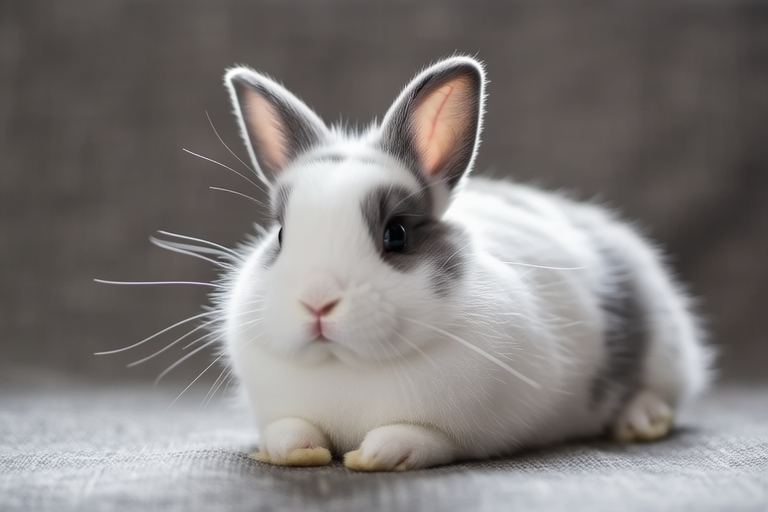
Meet the Dutch Dwarf Rabbit: Tiny in Size, Huge in Charm
The Dutch Dwarf Rabbit is a breed that has captured the hearts of many pet enthusiasts with its diminutive stature and charming personality. This article delves into the origins, physical traits, temperament, care requirements, and popular roles of the Dutch Dwarf Rabbit, providing valuable insights for both current and prospective rabbit owners.
Origins of the Dutch Dwarf Rabbit
The Dutch Dwarf Rabbit originated in the Netherlands, where it was developed by crossing the Dutch Rabbit with smaller breeds to achieve a compact size while retaining the distinctive color patterns and gentle nature of the Dutch Rabbit. The breed was introduced to the United States in the 1960s and quickly gained popularity due to its appealing appearance and friendly disposition.
Physical Characteristics
Dutch Dwarfs are among the smallest domestic rabbit breeds, typically weighing between 1.8 to 2.3 kilograms (4 to 5 pounds). Their compact bodies, short ears, and rounded heads give them an endearing appearance. They come in a variety of colors, including black, blue, chocolate, and white, often featuring a distinctive white blaze on their faces and feet. Their dense, soft fur requires regular grooming to maintain its luster and prevent matting.
Temperament
Dutch Dwarfs are known for their friendly and affectionate nature, making them excellent companions for families and individuals alike. They are generally docile and enjoy human interaction, often seeking out attention from their owners. However, like all rabbits, they have individual personalities, and some may be more reserved or energetic than others. Early socialization can help ensure a well-adjusted and confident rabbit.
Care Requirements
Proper care is essential for the health and happiness of your Dutch Dwarf Rabbit. A spacious and secure living environment is crucial, as rabbits need ample space to move around and exercise. A wire-bottom cage with a solid floor is recommended to prevent pressure sores. Provide plenty of hay, fresh water, and a balanced diet to support their nutritional needs.
Common Health Issues
Like other small animals, Dutch Dwarfs are susceptible to certain health issues. Dental problems, such as overgrown teeth, are common and can lead to pain and difficulty eating if left untreated. Regular dental check-ups by a veterinarian experienced in rabbit care can help prevent these issues. Other potential health concerns include respiratory infections, gastrointestinal stasis, and obesity. Maintaining a clean environment and a healthy diet can reduce the risk of these conditions.
Diet Specifics
A proper diet is vital for the well-being of your Dutch Dwarf Rabbit. Their diet should consist primarily of high-quality hay, which provides necessary fiber and helps maintain digestive health. Fresh vegetables, such as carrots, broccoli, and leafy greens, should be offered in moderation. Pellets formulated specifically for rabbits should be provided in limited quantities to avoid overfeeding. Water should always be available, and it’s important to monitor your rabbit’s intake to ensure they are staying hydrated.
Exercise Needs
Regular exercise is crucial for the physical and mental well-being of your Dutch Dwarf Rabbit. While they enjoy exploring their cages, they also benefit from time outside in a safe, enclosed area. Providing toys, tunnels, and other enrichment activities can stimulate their minds and keep them entertained. Supervised playtime in a rabbit-proof room can offer a change of scenery and promote physical activity.
Tips for Potential Owners
If you’re considering adding a Dutch Dwarf Rabbit to your family, there are several factors to consider. First, research local breeders and adopters to find a reputable source for your new pet. Look for signs of good health, such as clear eyes, clean fur, and active behavior. Once you bring your rabbit home, provide a comfortable and enriching environment, establish a routine for feeding and cleaning, and schedule regular veterinary check-ups.
Popular Roles as Pets
Dutch Dwarfs make wonderful pets for those who appreciate small, charming companions. Their gentle nature and affectionate demeanor make them ideal for families with children, provided the children are taught how to handle the rabbit gently and respectfully. They also thrive in single-person households, offering companionship and joy to their owners. Additionally, their compact size makes them easier to manage compared to larger breeds, making them a popular choice for apartment dwellers.
In conclusion, the Dutch Dwarf Rabbit is a delightful addition to any household, offering a unique blend of small size and big charm. By understanding their origins, physical characteristics, temperament, and care requirements, you can ensure a happy and healthy life for your furry friend. With proper attention and love, your Dutch Dwarf Rabbit will become a cherished member of your family.
