Adorable Three-Striped Box Turtle: A Complete Care Guide
Welcome to your comprehensive guide on caring for the adorable three-striped box turtle (Cuora amboinensis). These captivating reptiles are native to Southeast Asia and are popular pets due to their charming appearance and relatively manageable size. This guide will cover everything you need to know about providing the best care for your three-striped box turtle, from understanding their natural habitat to ensuring they have a healthy diet.
Natural Habitat
The three-striped box turtle is native to Southeast Asia, where it thrives in a variety of habitats including rainforests, grasslands, and agricultural areas. They prefer moist environments with plenty of vegetation and places to hide. Understanding these conditions helps replicate a suitable environment in captivity.
In the wild, these turtles are semi-aquatic, spending time both on land and in water. They are excellent swimmers and enjoy basking in the sun to regulate their body temperature. In captivity, it’s essential to mimic this by providing a mix of aquatic and terrestrial elements in their enclosure.
Dietary Needs
Three-striped box turtles are omnivores, meaning they eat both plant matter and animal protein. Their diet in the wild consists of insects, small fish, worms, fruits, and vegetables. To ensure your turtle remains healthy and active, you must provide a balanced diet rich in nutrients.
Younger turtles tend to consume more animal protein, while older turtles prefer a diet higher in vegetation. A typical diet might include earthworms, crickets, mealworms, and chopped fruits and vegetables such as carrots, sweet potatoes, and leafy greens like collard greens and dandelion greens.
Vitamin supplementation is crucial for maintaining shell health and overall well-being. Calcium and vitamin D3 are particularly important, especially if your turtle does not have access to natural sunlight. You can achieve this through a balanced diet that includes calcium-rich foods or by using supplements specifically designed for reptiles.
Housing Requirements
Creating an appropriate living space for your three-striped box turtle is vital for its health and happiness. The enclosure should be spacious enough to allow the turtle to move around freely and explore its surroundings. For a single adult turtle, a minimum tank size of 4 feet by 2 feet is recommended.
The enclosure should consist of both a dry area and a water area. The water area should be deep enough for the turtle to submerge itself fully, but shallow enough to allow easy access. The dry area should contain hiding spots, such as logs or rocks, and a substrate that allows for digging and burrowing.
Temperature and humidity levels within the enclosure are also critical. Three-striped box turtles require a basking area that reaches between 85°F and 95°F. The rest of the enclosure should maintain a temperature range of 75°F to 85°F. Humidity levels should be kept at approximately 60% to 80% to prevent dehydration and promote healthy skin.
Health Issues
Like any pet, three-striped box turtles are susceptible to various health issues. One common problem is metabolic bone disease (MBD), which occurs when the turtle does not receive enough calcium or vitamin D3. Symptoms include soft shells, lethargy, and difficulty moving.
Respiratory infections are another concern, often caused by poor ventilation or low temperatures. Signs of respiratory infection include wheezing, nasal discharge, and labored breathing. Regular cleaning of the enclosure and maintaining proper temperature and humidity levels can help prevent these issues.
Shell rot, a bacterial infection that affects the shell, can occur if the turtle’s enclosure is not kept clean or if there are cuts or abrasions on the shell. Treatment usually involves antibiotics and improving the living conditions.
Tips for Handling
Handling your three-striped box turtle should be done carefully and infrequently. Turtles have sensitive shells and can become stressed if handled too roughly or frequently. When picking up your turtle, always support its body and avoid lifting it by its limbs or tail.
It’s important to wash your hands before and after handling your turtle to prevent the spread of bacteria and parasites. Additionally, never handle your turtle immediately after feeding, as this can cause regurgitation.
Unique Characteristics
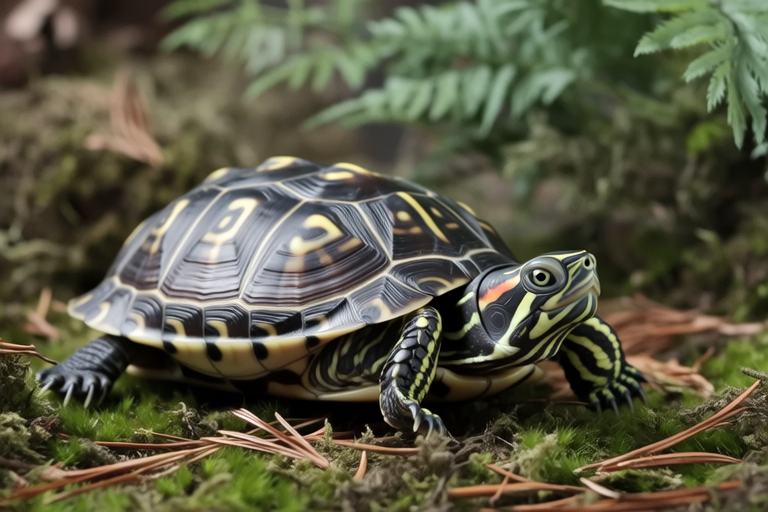
One of the most striking features of the three-striped box turtle is the three yellow stripes that run down the sides of its head. These stripes serve as a form of camouflage in their natural habitat, helping the turtle blend into its surroundings.
Another unique characteristic is their ability to completely close their shell, making them one of the few species of turtles capable of doing so. This adaptation provides protection against predators and harsh environmental conditions.
Creating a Healthy and Stimulating Environment
To keep your three-striped box turtle happy and healthy, it’s essential to create an environment that mimics its natural habitat. Providing a mix of aquatic and terrestrial elements, along with hiding spots and climbing structures, will encourage exploration and exercise.
Regular interaction with your turtle can also enhance its well-being. Spend time observing your turtle’s behavior and habits, and try to engage with it through gentle handling and play. However, always respect your turtle’s boundaries and avoid forcing interactions.
Finally, maintaining a clean and hygienic environment is crucial for preventing illness and promoting overall health. Regularly clean the enclosure, change the water, and remove waste to ensure a safe and comfortable living space for your turtle.
Conclusion
Caring for a three-striped box turtle is a rewarding experience that requires attention to detail and a commitment to providing a healthy and stimulating environment. By understanding their natural habitat, dietary needs, and health concerns, you can ensure your turtle lives a long and happy life. Remember to handle your turtle gently and respect its boundaries, and you’ll have a loyal companion for years to come.
