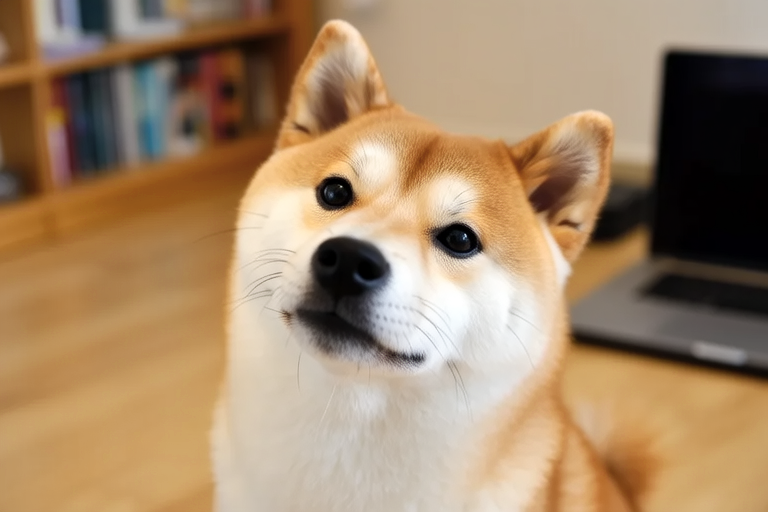
Inside the Mind of a Shiba Inu: Understanding Your Independent Companion
Welcome to the fascinating world of the Shiba Inu! These small yet sturdy dogs have captured the hearts of many dog lovers around the globe with their unique blend of loyalty, independence, and intelligence. This article delves into the intricate personality traits, history, and behavior of the Shiba Inu, providing valuable insights for both new and seasoned owners on how to bond with your Shiba Inu while respecting their independence.
The Origins and History of the Shiba Inu
The Shiba Inu hails from Japan, where they were originally bred as hunting dogs. Their name translates to “brushwood dog,” a reference to their agility and ability to navigate through dense undergrowth. The breed almost faced extinction during World War II due to bombing raids and canine distemper outbreaks. However, thanks to dedicated breeders, the Shiba Inu was saved and has since become one of the most popular breeds worldwide.
Their history has significantly influenced their modern-day temperament. Shibas are known for their resilience, adaptability, and strong survival instincts. These traits contribute to their independent nature, making them unique companions that require thoughtful understanding and patience from their owners.
Unique Personality Traits and Intelligence
Shiba Inus are often described as having a “fox-like” appearance, which matches their clever and somewhat mischievous demeanor. They are highly intelligent and quick learners, but this intelligence also means they can be quite independent and sometimes stubborn. Shibas are not typically “one-person” dogs; instead, they tend to form bonds with everyone in the household.
One of the most striking aspects of their personality is their aloofness towards strangers. While they may not bark excessively, they are excellent watchdogs, alerting their owners to any unusual activity. This trait is rooted in their historical role as hunters, where they needed to stay calm and focused amidst distractions.
Common Behaviors and Training Challenges
Understanding common Shiba Inu behaviors is crucial for effective training and bonding. Shibas are known for their cleanliness, often grooming themselves like cats. They are also very territorial and may become possessive over their food or toys. Early socialization and training are essential to mitigate these behaviors and ensure a well-adjusted pet.
Training a Shiba Inu can be challenging due to their independent nature. They respond best to positive reinforcement methods, such as treats and praise, rather than harsh corrections. Consistency and patience are key. It’s important to establish yourself as the leader without being overly dominant, as this can lead to resistance or rebellion.
Strategies for Bonding and Communication
Bonding with a Shiba Inu requires understanding and respect for their independence. Here are some tips to strengthen your relationship:
- Build Trust: Spend quality time together, engaging in activities they enjoy, like playtime or walks. Trust builds when you consistently meet their needs and show them affection.
- Respect Their Space: Give your Shiba Inu ample opportunities to retreat if they feel overwhelmed. Providing a cozy spot where they can relax will help them feel secure.
- Use Positive Reinforcement: Reward good behavior with treats, praise, and play. This approach helps reinforce desired actions while fostering a positive association between your Shiba Inu and training sessions.
- Engage Their Mind: Shibas thrive on mental stimulation. Puzzle toys, interactive games, and obedience training exercises can keep their minds engaged and prevent boredom-related behaviors.
Successful Strategies for Communication
Effective communication is vital for a harmonious relationship with your Shiba Inu. Here are some tips:
- Be Clear and Consistent: Use consistent commands and body language. Shibas are observant and will pick up on inconsistencies, which can confuse them.
- Observe Their Body Language: Pay attention to their posture, ear position, and tail movements. These cues can tell you a lot about how your Shiba Inu is feeling. For example, a wagging tail does not always mean happiness; it could indicate excitement or even nervousness.
- Stay Calm and Patient: Reacting calmly to their behavior, even in challenging moments, helps them learn that certain actions are unacceptable. Avoid yelling or punishing, as this can create fear and mistrust.
Caring for Your Shiba Inu
Proper care includes regular exercise, a balanced diet, and routine veterinary check-ups. Shibas are active dogs that need daily walks and playtime to stay healthy and happy. They are relatively low-maintenance in terms of grooming, requiring weekly brushing to manage shedding.
Feeding a high-quality dog food that meets their nutritional needs is essential. Consult with your veterinarian to determine the appropriate amount and type of food based on your Shiba Inu’s age, weight, and activity level.
Conclusion
Shiba Inus are truly remarkable companions, offering a unique combination of loyalty, intelligence, and independence. By understanding their history, personality traits, and common behaviors, you can build a strong bond with your Shiba Inu while respecting their individuality. With patience, consistency, and positive reinforcement, you’ll enjoy a rewarding relationship with your furry friend.
