Exploring Parrot Fish: Facts and Myths
Parrot fish are among the most vibrant and fascinating creatures in the ocean. Their striking colors, unique behaviors, and crucial roles in marine ecosystems make them a subject of both admiration and misinformation. This article aims to shed light on the true nature of parrot fish by separating fact from fiction.
Physical Characteristics
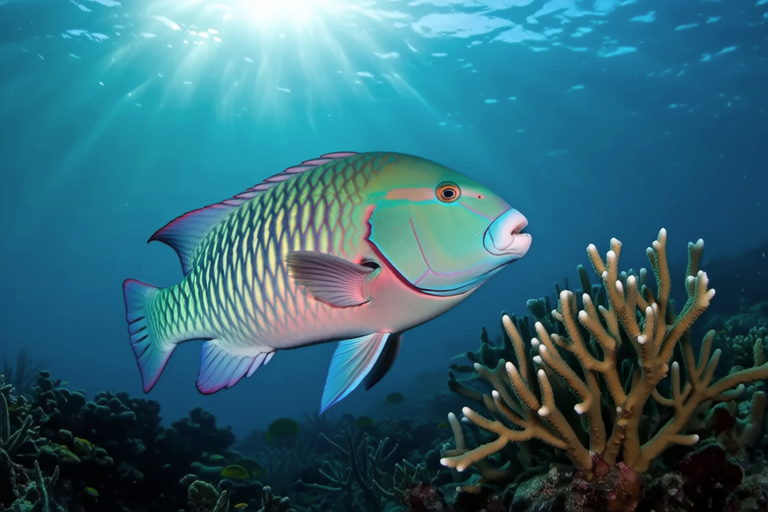
Parrot fish are renowned for their brilliant hues, which range from electric blues and greens to fiery reds and oranges. These dazzling colors serve several purposes. Firstly, they act as camouflage, blending into coral reefs where they often reside. Secondly, they play a role in communication, signaling aggression or readiness to mate. Some species, like the queen parrotfish, exhibit dramatic color changes as they mature. Males can develop elaborate patterns, while females remain more subdued.
Their distinctive beak-like mouth, composed of fused teeth, is one of their most notable features. This structure allows them to scrape algae from coral surfaces, contributing significantly to reef maintenance. Additionally, parrot fish have sharp spines on their gill covers, providing protection against predators. Despite their intimidating appearance, these spines are harmless to humans.
Behavior
Parrot fish display a wide array of behaviors. During the day, they are active swimmers, grazing on algae-covered corals. At night, however, they retreat into crevices and caves, secreting a mucus cocoon to hide their scent from potential predators. This mucus acts as a protective barrier, helping them evade detection. Another intriguing behavior is their ability to change sex. Many species start life as females but can transform into males if needed, ensuring reproductive success within the group.
Despite their solitary feeding habits, parrot fish are social animals. They often gather in large schools, especially when migrating or spawning. Schools provide safety in numbers and enhance their chances of finding mates during breeding season. Breeding typically occurs at specific times, with males defending territories and attracting females through elaborate displays.
Habitat
Parrot fish inhabit tropical and subtropical waters worldwide, thriving in coral reefs, rocky shores, and seagrass beds. They prefer warm, clear waters with abundant food sources. Coral reefs offer ideal conditions, providing shelter, food, and mating opportunities. The Great Barrier Reef, the Maldives, and the Caribbean are prime habitats for many species. However, some parrot fish can also be found in deeper waters, up to 100 meters below the surface.
These fish are highly sensitive to environmental changes. Rising sea temperatures, pollution, and overfishing pose significant threats to their survival. Coral bleaching, caused by increased water temperatures, not only affects the corals but also disrupts the balance of the entire ecosystem. As coral health declines, so does the availability of food and shelter for parrot fish. Conservation efforts focus on preserving coral reefs and protecting parrot fish populations from exploitation.
Dietary Habits
Parrot fish are primarily herbivores, feeding on algae that grow on coral surfaces. Their specialized beaks allow them to scrape away layers of algae without damaging the underlying coral. This feeding behavior helps maintain healthy coral reefs by preventing algal overgrowth. However, some species may occasionally consume small invertebrates, such as polychaete worms, adding another layer of complexity to their diet.
While algae form the bulk of their diet, certain species have adapted to different food sources. For example, the stoplight parrotfish feeds on sponges, while the blue parrotfish prefers seagrass. These variations in diet reflect the adaptability of parrot fish to their environments. Understanding their dietary preferences is crucial for managing fisheries and ensuring sustainable practices.
Myths Surrounding Parrot Fish
One common misconception is that parrot fish produce sand. While it is true that their digestion of coral and algae results in the excretion of fine particles, this process does not account for the majority of beach sand. Most sand is formed through the erosion of rocks and shells over millions of years. The contribution of parrot fish to sand production is minimal and does not significantly impact beach formation.
Another myth is that parrot fish are dangerous to humans. Due to their sharp beaks and spines, some people believe they could pose a threat. In reality, parrot fish are peaceful creatures that pose no danger to divers or swimmers. Their defensive mechanisms are primarily aimed at protecting themselves from predators rather than attacking humans. Encounters with parrot fish are usually peaceful and enjoyable, offering divers a chance to observe these beautiful fish up close.
Role in Marine Ecosystems
Parrot fish play a vital role in maintaining the health of coral reefs. By controlling algal growth, they prevent overpopulation that could smother corals. This activity promotes biodiversity, allowing other species to thrive. Moreover, their grazing habits stimulate coral growth by creating space for new polyps to settle and grow. Without parrot fish, many coral reefs would face accelerated decline, affecting countless marine organisms that depend on them for survival.
Parrot fish also contribute to nutrient cycling within marine ecosystems. Through their feeding activities, they release nutrients back into the water, supporting the growth of phytoplankton and other primary producers. This cascading effect benefits the entire food web, from tiny zooplankton to larger predators like sharks. Their presence ensures the resilience and productivity of coral reefs, making them essential components of these delicate ecosystems.
Conservation Efforts
Recognizing the importance of parrot fish, various conservation initiatives have been launched to protect their populations. Marine protected areas (MPAs) have been established in key regions, providing sanctuaries where fishing is restricted or prohibited. These MPAs allow parrot fish populations to recover and flourish, ensuring long-term sustainability. Community-based management programs engage local fishermen in conservation efforts, promoting responsible fishing practices and reducing overexploitation.
Education and awareness campaigns aim to inform the public about the significance of parrot fish and the threats they face. By raising awareness, these campaigns encourage individuals to support conservation efforts and make informed choices when purchasing seafood. Additionally, research projects investigate the biology, ecology, and conservation needs of parrot fish, guiding effective management strategies.
International agreements, such as the Convention on International Trade in Endangered Species of Wild Fauna and Flora (CITES), regulate trade in threatened species, including some parrot fish species. These regulations help prevent overharvesting and ensure that populations are managed sustainably. Collaboration between governments, NGOs, and local communities is essential for addressing the complex challenges facing parrot fish and their habitats.
Conclusion
Parrot fish are truly remarkable creatures, deserving of our admiration and respect. Their vibrant colors, unique behaviors, and critical roles in marine ecosystems make them invaluable members of the underwater world. By dispelling myths and focusing on factual information, we can better appreciate these fascinating fish and work towards their conservation. Protecting parrot fish not only preserves their populations but also safeguards the health and diversity of coral reefs, benefiting countless marine organisms and ecosystems.
