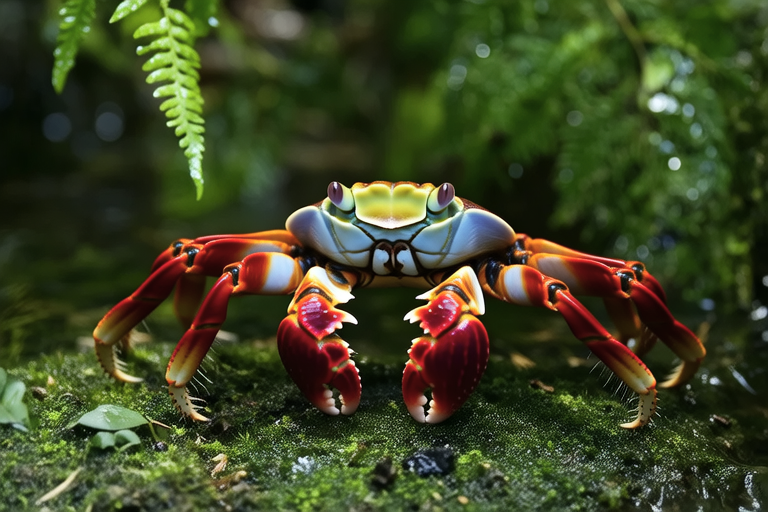
Adventures in Miniature: What Life is Like with a Hermit Crab Companion
Hermit crabs are fascinating creatures that have captured the hearts of many pet enthusiasts. These small, yet intriguing animals offer a unique experience for those looking for a low-maintenance yet rewarding pet. With their charming behaviors and minimal space requirements, hermit crabs are perfect for apartment dwellers or individuals who prefer smaller pets.
A Unique Pet
Hermit crabs are known for their distinct appearance and behavior. They come in various colors and sizes, ranging from tiny species that fit in the palm of your hand to larger ones that can grow up to several inches. Their most notable feature is their ability to recycle discarded snail shells as their homes, which they carry around as they grow and outgrow their current accommodations. This behavior makes them not only interesting to watch but also a testament to their resourcefulness.
Setting Up the Ideal Habitat
Creating a suitable environment for your hermit crab is crucial for its health and happiness. The first step is selecting the right tank. A ten-gallon aquarium is generally sufficient for a small group of hermit crabs, providing ample space for them to explore and interact. However, if you plan to keep a larger colony, a bigger tank is advisable.
The substrate, or bedding material, is another essential component. Coconut fiber or sand are popular choices, as they retain moisture well and provide a natural feel. It’s important to ensure that the substrate is deep enough for burrowing and that it doesn’t contain harmful additives or chemicals.
Water dishes are vital for hermit crabs, as they need access to both fresh and saltwater. Freshwater helps them stay hydrated, while saltwater allows them to shed their exoskeletons more easily. Position these dishes at different levels within the tank to replicate their natural environment.
Decorations can enhance the habitat and stimulate your hermit crab’s curiosity. Rocks, driftwood, and plants not only add aesthetic value but also create hiding spots and climbing structures. Ensure that all items are clean and free from sharp edges that could harm your pet.
Dietary Needs
Feeding hermit crabs is relatively straightforward. Their diet consists of a variety of foods, including commercial hermit crab pellets, fresh fruits and vegetables, and occasional treats like shrimp or fish. It’s important to offer a balanced diet to ensure they receive all necessary nutrients.
Hermit crabs are omnivores, so they enjoy a mix of plant and animal matter. In addition to their staple food, they benefit from supplements such as calcium and vitamin D3, especially if they are housed indoors where sunlight is limited.
How often you feed your hermit crab depends on its activity level and the size of the tank. Generally, feeding them once or twice a week is sufficient, ensuring that any uneaten food is removed promptly to maintain cleanliness.
Social Dynamics
Contrary to popular belief, hermit crabs are not entirely solitary creatures. While they can live alone, they thrive in groups. In the wild, they are often found in large colonies, sharing spaces and resources. Keeping multiple hermit crabs together in captivity can lead to more active and engaging behavior, as they interact and explore their environment together.
However, it’s important to introduce new hermit crabs gradually to prevent stress or aggression. Providing plenty of shells and hiding spots ensures that each crab has its own territory and reduces the likelihood of conflicts.
Handling and Interaction
Handling hermit crabs requires patience and care. They are delicate creatures, and improper handling can cause injury. Always support their body when picking them up, avoiding the tendency to grab them by their shells. Use your fingers gently under their abdomen to lift them, ensuring they feel secure.
Interacting with hermit crabs can be a delightful experience. They are curious and responsive, often exploring new objects placed in their tank. Observing their behavior can be fascinating, from their methodical searching for food to their playful interactions with toys and other crabs.
Personal Experience: One of my favorite moments was watching my hermit crab investigate a new toy I introduced into its tank. It spent hours examining every nook and cranny, using its claws to explore and uncover hidden treasures. This level of engagement made me appreciate just how intelligent and curious these little creatures are.
Responsibilities of Ownership
Owning a hermit crab comes with specific responsibilities. Regularly changing their shells is one of the most critical tasks. As they grow, hermit crabs need larger shells to accommodate their expanding bodies. Providing a selection of shells in various sizes ensures they can find a comfortable fit.
Maintaining optimal humidity levels is equally important. Hermit crabs require a humid environment to stay healthy. A hygrometer can help monitor the humidity, aiming for a range between 70% and 80%. Mist the tank daily to keep the air moist and check regularly to avoid extremes.
Regular cleaning of the tank and substrate is necessary to prevent the buildup of bacteria and waste. This includes removing uneaten food and replacing dirty substrate periodically.
Personal Experience: One challenge I faced was keeping the humidity consistent during colder months. Using a humidifier in the room helped maintain the required levels, ensuring my hermit crab remained active and healthy throughout the year.
Conclusion
Adventures in miniature with a hermit crab companion offer a unique and enriching experience. From setting up the perfect habitat to understanding their dietary needs and social dynamics, caring for these creatures is both educational and rewarding. By providing a stimulating environment and attentive care, you can ensure your hermit crab thrives and brings joy to your home.
