The Three-Striped Box Turtle: A Unique Addition to Terrarium Life
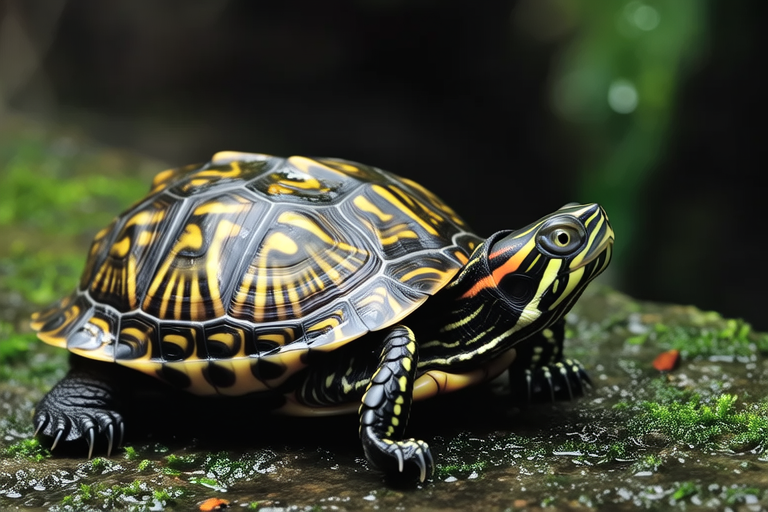
The three-striped box turtle (cuora trifasciata) is a captivating species native to parts of Asia, particularly China and Vietnam. This small to medium-sized turtle is easily recognizable due to its striking physical characteristics. The most prominent feature is the three distinct yellow stripes that run from the top of its head down to its neck, giving it its name. These stripes serve as a form of camouflage, helping the turtle blend into its natural surroundings, especially when among grasses and leaf litter.
Physical Characteristics
Aside from its eye-catching stripes, the three-striped box turtle has a high-domed, brownish-black shell with radiating yellow lines. The plastron, or bottom part of the shell, is hinged, allowing the turtle to completely close itself inside for protection against predators. Males typically have longer tails than females and may display brighter colors during the breeding season. Their limbs are sturdy, well-suited for digging and burrowing, and their feet are webbed, aiding in swimming.
Habitat Preferences and Natural Behaviors
In the wild, the three-striped box turtle prefers moist environments like forests, grasslands, and riverbanks. They are semi-aquatic, meaning they spend time both on land and in water. Their natural habitats provide ample hiding spots, such as under rocks, logs, or in dense vegetation. This preference for cover makes them excellent escape artists in captivity, so terrariums must be designed with secure enclosures.
These turtles are primarily diurnal, active during the day and resting at night. In the wild, they feed on a variety of foods, including insects, snails, worms, fruits, and plants. Their omnivorous diet ensures they receive a balanced intake of nutrients necessary for survival. During the breeding season, males become more aggressive, often chasing after females and engaging in courtship behaviors.
Suitability for Terrarium Life
The three-striped box turtle’s adaptable nature makes it an ideal candidate for terrarium life. Their relatively small size (adults reach approximately 6-8 inches in length) allows them to thrive in appropriately sized enclosures. Owners can replicate their natural environment by providing a mix of dry and wet areas, along with plenty of hiding spots and climbing structures. This setup encourages natural behaviors such as basking, foraging, and seeking shelter.
Diet and Care Requirements
Feeding the three-striped box turtle is straightforward but requires attention to balance. Juveniles should be fed daily, while adults can be fed every other day. Their diet should consist of a mix of commercial turtle pellets, fresh vegetables (such as collard greens, dandelion leaves, and squash), fruits (like berries and melons), and protein sources (insects, earthworms, and fish). It’s crucial to avoid overfeeding, as obesity can lead to health issues.
Proper hydration is essential for these turtles. A shallow water dish should be provided, ensuring it’s large enough for the turtle to soak but not deep enough to cause drowning. Regular cleaning of the enclosure and water dish is necessary to maintain hygiene and prevent the growth of harmful bacteria.
Common Health Issues
Like all pets, the three-striped box turtle is susceptible to various health problems if not cared for properly. Metabolic bone disease (MBD) is a common issue caused by calcium deficiency. Symptoms include soft shells, swollen limbs, and difficulty moving. Providing a balanced diet rich in calcium and vitamin D3, along with appropriate UVB lighting, can help prevent this condition.
Respiratory infections can occur if the turtle’s environment is too cold or damp. Signs include wheezing, nasal discharge, and lethargy. Maintaining proper temperature gradients and humidity levels within the terrarium can minimize the risk of respiratory issues. Additionally, regular veterinary check-ups can catch and address potential health problems early.
Fascinating Additions to Ecosystems and Terrariums
The three-striped box turtle plays a vital role in its ecosystem by controlling insect populations and dispersing seeds through its consumption of fruits. Their presence in the wild also serves as an indicator of environmental health. In captivity, they offer owners a unique opportunity to observe and interact with these fascinating creatures up close.
For those interested in keeping a three-striped box turtle as a pet, it’s important to understand the commitment involved. These turtles have a lifespan of 30 to 40 years, requiring long-term dedication from their caretakers. However, the joy and satisfaction of watching these animals grow and thrive in a well-maintained terrarium can be incredibly rewarding.
Conclusion
In conclusion, the three-striped box turtle is a remarkable species with distinctive physical features, intriguing natural behaviors, and specific care requirements. Its adaptability to terrarium life, coupled with its engaging appearance, makes it a popular choice for reptile enthusiasts. By providing a suitable habitat, a balanced diet, and attentive care, owners can ensure their three-striped box turtles live long, healthy lives.
When considering adding a three-striped box turtle to your terrarium, remember to research thoroughly and consult experienced breeders or veterinarians. Responsible ownership involves understanding the turtle’s needs, respecting its natural instincts, and committing to its lifelong care. With proper attention and effort, the three-striped box turtle can bring endless fascination and enjoyment to your home.
