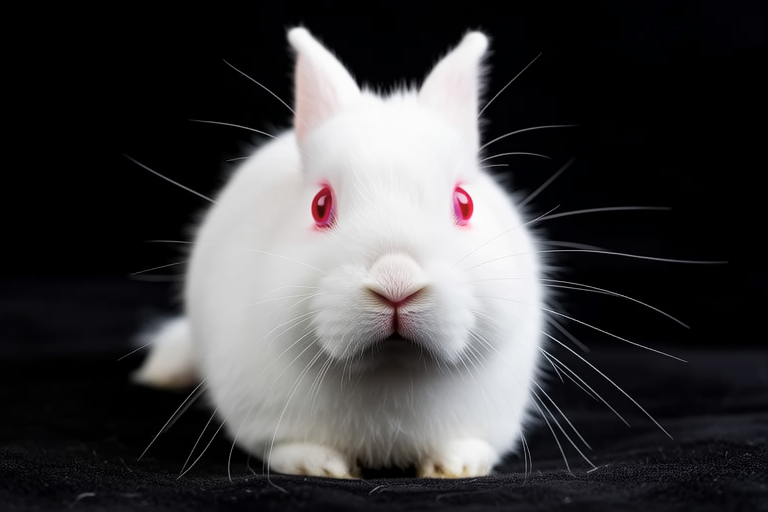
The Hotot Rabbit: A Pearl of the Rabbit World
The Hotot rabbit, with its striking pearl eye color and pure white fur, is a captivating breed that has captured the hearts of many rabbit enthusiasts. This breed is not only visually stunning but also has an interesting history and unique characteristics that set it apart from other rabbits. In this article, we will explore the origins, history, and unique traits of the Hotot rabbit, discuss its temperament and care requirements, and highlight common health issues. We’ll also compare the Hotot rabbit with other breeds to emphasize its uniqueness and conclude with insights into why it is considered a pearl of the rabbit world.
Origins and History
The Hotot rabbit originated in France at the beginning of the 20th century. It was developed by Eugenie Bernhard, a French breeder, who aimed to create a rabbit with a completely white coat and black rings around the eyes. She crossed the Chinchilla rabbit with the Netherlands Dwarf rabbit to achieve her goal. The result was the Hotot rabbit, named after the town of Hotot-en-Auge, where it was first bred. The breed quickly gained popularity for its unique appearance and was recognized by the American Rabbit Breeders Association (ARBA) in 1978. Despite its initial success, the Hotot rabbit’s numbers have dwindled over the years, making it a rare breed today.
Unique Appearance
The Hotot rabbit is renowned for its distinctive appearance, which includes its pure white fur and striking pearl-colored eyes. The eyes are surrounded by a thin, black ring, giving them a dramatic and almost alien-like appearance. The fur of the Hotot rabbit is short and dense, with a silky texture. The breed comes in two varieties: the standard Hotot, which weighs between 3.6 and 4.5 kg (8 to 10 lbs), and the mini Hotot, which weighs between 1.4 and 2.3 kg (3 to 5 lbs).
Temperament and Care Requirements
The Hotot rabbit is known for its friendly and docile temperament, making it an excellent choice for both pet owners and show enthusiasts. They are intelligent and can be trained to perform simple tricks or come when called. However, like all rabbits, they require proper care and attention to thrive. They need a spacious living environment, preferably indoors, to protect them from extreme weather conditions. The cage should be large enough for the rabbit to stretch out fully and include areas for eating, sleeping, and playing. Additionally, Hotot rabbits should have access to a litter box to help maintain hygiene.
Hotot rabbits, like all rabbits, are herbivores and require a diet rich in hay, fresh vegetables, and pellets specifically formulated for their dietary needs. Fresh water should always be available. Regular exercise is essential for maintaining good health, so providing opportunities for your rabbit to hop and play is important. Grooming is minimal due to their short fur, but regular brushing can help remove loose hair and prevent hairballs. Nail trimming and dental check-ups should also be part of their routine care.
Common Health Issues
Despite being generally healthy, Hotot rabbits are prone to certain health issues, particularly those related to their teeth. Like all rabbits, they have continuously growing teeth that require constant chewing to keep them at an appropriate length. If they don’t have enough fiber in their diet or don’t chew sufficiently, their teeth can become overgrown, leading to dental problems. Regular dental check-ups are crucial to prevent these issues.
Another common health issue in Hotot rabbits is obesity, which can lead to various health problems, including heart disease, arthritis, and digestive issues. Ensuring that your rabbit gets enough exercise and maintains a healthy weight is essential for preventing obesity. Additionally, Hotot rabbits may be more susceptible to respiratory infections due to their short snouts, so keeping their living environment clean and well-ventilated is important.
Comparison with Other Rabbit Breeds
Compared to other rabbit breeds, the Hotot rabbit stands out for its unique appearance and temperament. For example, the Netherlands Dwarf rabbit, another popular breed, is smaller and more compact than the Hotot rabbit. While the Netherlands Dwarf rabbit is known for its small size and playful nature, it lacks the striking eye color and black rings that make the Hotot rabbit so distinctive. The Chinchilla rabbit, on the other hand, is larger and has a thicker, longer coat, but it doesn’t have the same pearl eye color or the black eye rings that characterize the Hotot rabbit.
The Angora rabbit is another breed known for its luxurious fur, but it lacks the unique eye color and ringed eyes of the Hotot rabbit. The Mini Lop rabbit is a popular pet breed known for its floppy ears and friendly demeanor, but it also doesn’t have the distinctive eye features of the Hotot rabbit. The Flemish Giant rabbit, one of the largest rabbit breeds, is known for its calm and gentle nature, but it doesn’t share the Hotot rabbit’s striking appearance.
Why the Hotot Rabbit is Considered a Pearl of the Rabbit World
The Hotot rabbit is considered a pearl of the rabbit world because of its unique appearance, friendly temperament, and rarity. Its striking pearl eye color and black rings around the eyes make it stand out among other rabbit breeds, and its docile nature makes it an excellent pet for families and individuals alike. The Hotot rabbit’s rarity adds to its appeal, as owning a rare breed can be a rewarding experience for rabbit enthusiasts.
For those considering adding a Hotot rabbit to their family, it is important to remember that this breed requires proper care and attention to ensure its health and well-being. With its friendly temperament and unique appearance, the Hotot rabbit is sure to bring joy and companionship to any household. Whether you’re a seasoned rabbit owner or new to the world of rabbits, the Hotot rabbit is a breed worth considering. Its rarity, combined with its striking appearance and friendly nature, makes it a true pearl of the rabbit world.
