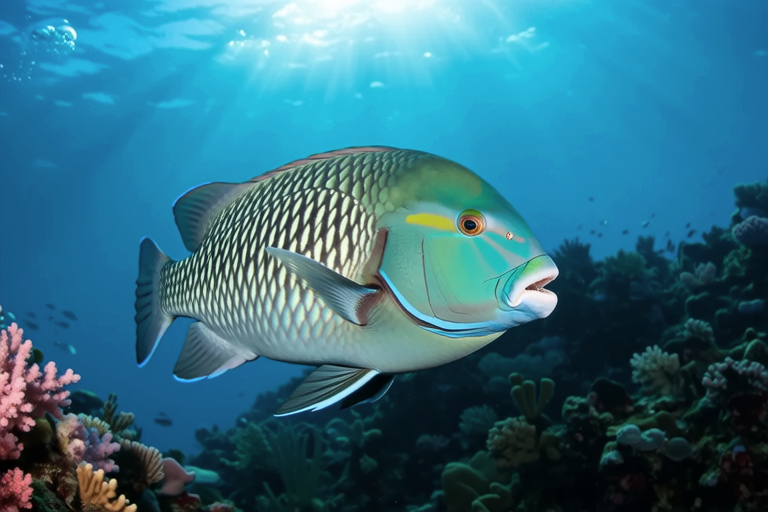
Unveiling the Colorful World of Parrot Fish: Nature’s Living Art
Welcome to the vibrant and fascinating world of parrot fish, a group of marine species that have long captured the imagination of both divers and scientists alike. Known for their vivid colors and unique appearance, these fish are not only visually stunning but also play a crucial role in maintaining the health of coral reefs. In this article, we will explore the colorful world of parrot fish, delving into their habitats, behaviors, diets, and the ecological importance they hold within marine ecosystems.
The Vivid Palette of Parrot Fish
Parrot fish, belonging to the family Scaridae, are among the most colorful creatures found in tropical waters. Their name derives from their beak-like jaws, which are used to scrape algae off coral reefs. The range of colors displayed by these fish is truly breathtaking. From electric blues and greens to deep reds and oranges, each species showcases a unique palette. Some species, like the Queen parrot fish (Scarus vetula), display a striking combination of blue, green, and yellow hues. Others, such as the Blue-green parrot fish (Scarus coelestinus), feature a more subdued yet equally captivating array of pastel shades.
These vibrant colors serve multiple purposes. They act as camouflage, helping parrot fish blend into their surroundings, and also signal readiness to mate. During breeding season, male parrot fish often display brighter colors to attract females. This dazzling display is not just aesthetically pleasing but also vital for survival and reproduction.
Habitat and Behavior
Parrot fish are primarily found in the warm, clear waters of the Pacific, Indian, and Atlantic Oceans, especially around coral reefs. These underwater cities provide an ideal habitat for parrot fish, offering them ample food sources and protection from predators. Coral reefs are teeming with life, and parrot fish play an essential role in maintaining the delicate balance of these ecosystems.
Behaviorally, parrot fish are diurnal, meaning they are most active during the day. They spend much of their time grazing on algae that grow on coral surfaces. This feeding habit not only sustains them but also helps prevent the overgrowth of algae, which could otherwise smother corals. Parrot fish have specialized teeth arranged in rows, allowing them to scrape algae efficiently. Interestingly, these teeth continue to grow throughout the fish’s life, ensuring they remain sharp and functional.
One of the most intriguing aspects of parrot fish behavior is their ability to change color and pattern depending on their mood or environment. This chameleon-like quality aids in communication, territorial disputes, and courtship displays. For instance, during aggressive encounters, parrot fish may adopt darker, more intimidating colors to assert dominance. Conversely, when courting, males often display their brightest colors to attract females.
Diet and Digestion
The diet of parrot fish is predominantly herbivorous, focusing on various types of algae found on coral reefs. They also consume small organisms and organic matter trapped in the reef matrix. This diet is crucial for their survival and contributes significantly to their striking appearance. Algae provide the necessary nutrients for growth and reproduction, while the grinding action of their powerful jaws helps break down tough plant material.
Interestingly, parrot fish produce sand through digestion. As they ingest coral and algae, their digestive system breaks down the calcium carbonate contained in these materials. The resulting particles are expelled as fine sand, contributing to the formation of beaches and islands in tropical regions. This process, known as biogenic sediment production, is vital for maintaining coastal ecosystems.
Ecological Role and Myths
Parrot fish play a critical role in maintaining the health of coral reefs. By controlling algal growth, they ensure that corals receive sufficient sunlight for photosynthesis, thereby promoting reef growth and biodiversity. Additionally, their feeding activities help recycle nutrients within the ecosystem, supporting other marine life.
Despite their importance, there are several myths surrounding parrot fish. One common misconception is that they eat coral, which is not true. While they do scrape algae from coral surfaces, they do not harm the coral itself. Another myth is that they are dangerous to humans. In reality, parrot fish are harmless and are more likely to flee than confront a diver.
Culturally, parrot fish hold significant importance in many societies. In some Polynesian cultures, they are considered sacred and are often depicted in traditional artwork and storytelling. Their vibrant colors and unique features make them a popular subject for artists and photographers. Moreover, their contribution to beach formation has led to their inclusion in local folklore, symbolizing creation and renewal.
Nature’s Living Art
Parrot fish are indeed nature’s living art, embodying beauty and functionality in every aspect of their existence. Their vibrant colors, intricate patterns, and dynamic behaviors create a mesmerizing spectacle for all who encounter them. The interplay between their appearance and ecological roles highlights the interconnectedness of marine life, reminding us of the delicate balance that must be maintained to preserve our oceans.
As we reflect on the wonder of parrot fish, it becomes evident why conservation efforts are so crucial. Human activities, such as overfishing and pollution, pose significant threats to these magnificent creatures and the ecosystems they inhabit. By raising awareness and implementing sustainable practices, we can help protect parrot fish and ensure the continued health of our oceans.
In conclusion, parrot fish are more than just colorful inhabitants of coral reefs; they are nature’s living art, inspiring awe and prompting us to appreciate the complexity and beauty of marine ecosystems. Through education and conservation, we can safeguard these treasures for future generations to marvel at and enjoy.
