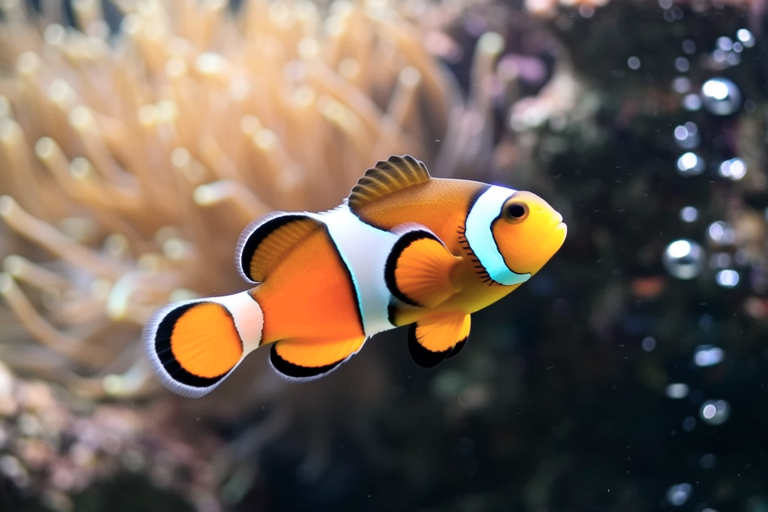
The Ultimate Clownfish Care Manual for Beginners and Experts Alike
Clownfish, also known as anemonefish, have captured the hearts of aquarium enthusiasts worldwide. Their vibrant colors and unique behavior make them a favorite among both novice and experienced aquarists. These fish are not only visually appealing but also relatively easy to care for, making them an excellent choice for beginners. This comprehensive guide will walk you through everything you need to know about clownfish care, from setting up your tank to advanced husbandry techniques.
Selecting the Right Tank Setup
Choosing the right tank setup is crucial for the health and well-being of your clownfish. For beginners, a 30-gallon tank is recommended to provide ample space for swimming and exploration. However, if you’re planning to keep multiple clownfish or include other species, a larger tank of at least 55 gallons would be more suitable.
Clownfish thrive in environments that mimic their natural habitat. Incorporate live rock and coral into your tank to create hiding spots and enhance water quality. Live rock also provides beneficial bacteria that help break down waste products, keeping your water clean. Additionally, include a few pieces of fake or real sea anemones. While not essential for survival, anemones can offer a sense of security and add aesthetic value to your tank.
Ideal Water Parameters
Maintaining stable water conditions is vital for the health of your clownfish. The optimal temperature range for clownfish is between 76°F and 82°F. Use a reliable heater to maintain this temperature, and ensure it’s properly insulated to prevent fluctuations. The pH level should be kept between 8.1 and 8.4, and the specific gravity should be maintained at 1.020 to 1.025.
Adequate filtration is key to keeping your tank clean and healthy. A high-quality filter that can handle at least four times the volume of your tank per hour is recommended. Regular water changes of around 10% weekly will further aid in maintaining water quality.
Necessary Equipment
To ensure the best living conditions for your clownfish, invest in a good quality aquarium heater, thermometer, and test kits for monitoring water parameters. An efficient protein skimmer is also highly recommended, especially in reef tanks, as it helps remove organic waste before it breaks down into harmful substances.
Lighting is another important aspect of clownfish care. If you plan to keep live corals or anemones, consider investing in high-quality LED lighting that mimics natural sunlight. Ensure the lighting cycle is consistent, typically 10 to 12 hours of light followed by darkness.
Dietary Requirements and Feeding Schedules
Clownfish are omnivorous and require a balanced diet to stay healthy. In the wild, they feed on zooplankton, algae, and small invertebrates. In captivity, a varied diet consisting of high-quality flake food, pellets, frozen or freeze-dried brine shrimp, mysis shrimp, and occasional blanched vegetables like spinach or zucchini will suffice.
Feed your clownfish twice daily, offering small portions that they can consume within a few minutes. Overfeeding can lead to poor water quality and health issues. It’s important to monitor their eating habits and adjust the amount accordingly.
Maintaining Health
To keep your clownfish healthy, perform regular water checks and maintenance. Test for ammonia, nitrite, and nitrate levels weekly, and make adjustments as needed. Clean the tank glass and decorations monthly to prevent the buildup of algae and debris. Also, check the filter media regularly and replace it when it becomes clogged or dirty.
Introduce new fish slowly to avoid shocking their system. Quarantine new additions for at least two weeks to ensure they don’t bring any diseases into your main tank. Additionally, provide a varied diet and clean environment to boost their immune system and prevent illness.
Choosing Compatible Tank Mates
When selecting tank mates for your clownfish, consider their temperament and size. Clownfish generally get along well with peaceful species such as damsels, tangs, and wrasses. Avoid aggressive or territorial fish that may bully or compete for resources.
It’s important to note that clownfish are semi-aggressive and can become territorial when defending their space. Ensure there’s enough room and hiding spots for all inhabitants to reduce stress and potential conflicts.
Common Diseases, Prevention Methods, and Treatments
Like any other fish, clownfish are susceptible to various diseases. Common ailments include ich (white spot disease), fin rot, and bacterial infections. Symptoms of these illnesses may include lethargy, loss of appetite, visible lesions, or rapid breathing.
To prevent diseases, maintain pristine water conditions and quarantine new fish. If you notice any signs of illness, isolate the affected fish in a hospital tank and treat accordingly. Ich can be treated with over-the-counter medications specifically designed for marine fish. Fin rot often responds well to antibiotics, while bacterial infections may require a combination of medication and improved water quality.
Advanced Care Techniques and Insights
For expert owners looking to take their clownfish care to the next level, consider breeding these fascinating creatures. Breeding clownfish requires a dedicated breeding tank with optimal water conditions and a compatible pair. Once spawning occurs, the female will lay eggs on a flat surface, which the male will then fertilize. Afterward, both parents will guard the eggs until they hatch, usually within 6 to 10 days.
Another advanced technique is incorporating a refugium into your setup. A refugium is a separate tank connected to your main aquarium that houses beneficial organisms like macroalgae and copepods. These organisms help maintain water quality and provide a natural food source for your clownfish.
Finally, continuously educate yourself about clownfish care. Join online forums, attend workshops, and read up on the latest research to stay informed about best practices and emerging trends in marine aquarium keeping.
