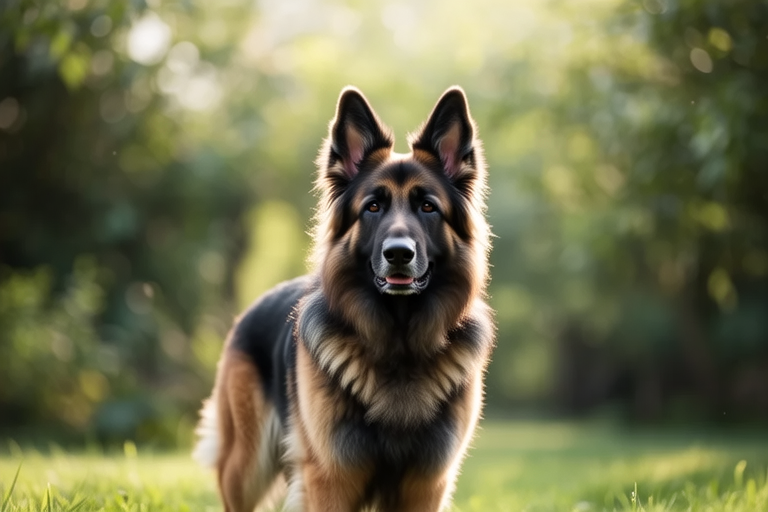
The Ultimate Guide to Keeping Your German Shepherd Healthy!
German Shepherds are one of the most popular dog breeds worldwide due to their loyalty, intelligence, and versatility. However, like any other breed, they require special care to ensure they remain healthy throughout their lives. This guide will cover all the essential aspects of maintaining your German Shepherd’s health, from nutrition and exercise to grooming and preventive care.
Understanding the German Shepherd Diet
Proper nutrition is crucial for the overall health of your German Shepherd. Their diet should be balanced and tailored to their specific age, weight, and activity level. A high-quality dog food that contains a good source of protein, such as chicken, fish, or lamb, is ideal. Avoid foods with artificial preservatives, colors, and flavors, which can cause digestive problems and allergies.
Senior dogs may need fewer calories and more joint-supporting nutrients, while puppies require more calcium and phosphorus for bone growth. Always consult with your vet before making any changes to your dog’s diet. Additionally, fresh water should always be available to keep them hydrated.
Regular Exercise for Your German Shepherd
German Shepherds are an active breed that requires regular physical activity to maintain their health and happiness. Daily walks, runs, and playtime help keep them physically fit and mentally stimulated. Aim for at least two hours of exercise per day, divided into shorter sessions if necessary.
In addition to physical exercise, mental stimulation is equally important. Puzzle toys, obedience training, and agility courses can help keep your dog engaged and prevent boredom-related behaviors like chewing or barking.
Grooming Needs of a German Shepherd
German Shepherds have a double coat that requires regular grooming to keep it healthy and free of mats and tangles. Brush your dog at least once a week, but during shedding seasons (spring and fall), you may need to brush daily. Bathing should be done every few months, depending on your dog’s activity level and personal preference.
Other grooming tasks include trimming nails, cleaning ears, and brushing teeth. Regular nail trims help prevent overgrowth, which can lead to discomfort and difficulty walking. Cleaning ears helps prevent infections, while brushing teeth prevents gum disease and bad breath.
Common Health Issues in German Shepherds
German Shepherds are prone to certain health conditions, including hip dysplasia, elbow dysplasia, degenerative myelopathy, and bloat. Hip dysplasia occurs when the hip joint doesn’t develop properly, leading to arthritis and pain. Elbow dysplasia is similar but affects the elbow joint. Degenerative myelopathy is a progressive disease that affects the spinal cord and leads to weakness and loss of coordination in the hind legs. Bloat, also known as gastric torsion, is a life-threatening condition where the stomach fills with gas and twists, cutting off blood supply.
Regular veterinary check-ups and genetic testing can help identify potential issues early and prevent serious complications. If you notice any signs of illness or discomfort, contact your vet immediately.
Preventive Care: Vaccinations and Dental Hygiene
Vaccinations are essential for protecting your German Shepherd against diseases like rabies, parvovirus, distemper, and leptospirosis. Consult your vet about a vaccination schedule that suits your dog’s lifestyle and risk factors. Annual booster shots may be necessary to maintain immunity.
Dental hygiene is often overlooked but is crucial for preventing periodontal disease, which can lead to tooth loss and other health problems. Brush your dog’s teeth regularly using a pet-safe toothpaste and soft-bristled toothbrush. Alternatively, dental chews and treats can help remove plaque and freshen breath.
Behavioral Training for Your German Shepherd
Training is essential for building a strong bond between you and your German Shepherd and ensuring they behave appropriately in various situations. Start training early and use positive reinforcement techniques, such as treats and praise, to encourage desired behaviors.
Basic commands like sit, stay, come, and heel are important for safety and control. Advanced training, such as agility or obedience trials, can provide mental stimulation and enhance your dog’s skills. Consistency and patience are key to successful training.
Selecting a Reputable Veterinarian
Choosing the right veterinarian is crucial for your German Shepherd’s health and well-being. Look for a vet who specializes in large-breed dogs and has experience treating German Shepherds. Ask friends, family, or online communities for recommendations and read reviews to get an idea of the vet’s reputation.
During your first visit, assess the clinic’s facilities, staff, and overall atmosphere. Ensure the vet takes time to answer your questions and address your concerns. Establishing a good relationship with your vet will make future visits smoother and more effective.
Conclusion
Maintaining your German Shepherd’s health requires attention to detail and consistency. By providing a balanced diet, regular exercise, proper grooming, and preventive care, you can help ensure your furry friend enjoys a long and happy life. Remember that every dog is unique, so tailor your approach based on your individual dog’s needs and preferences. With the right care and attention, your German Shepherd will be a loyal companion for many years to come.
