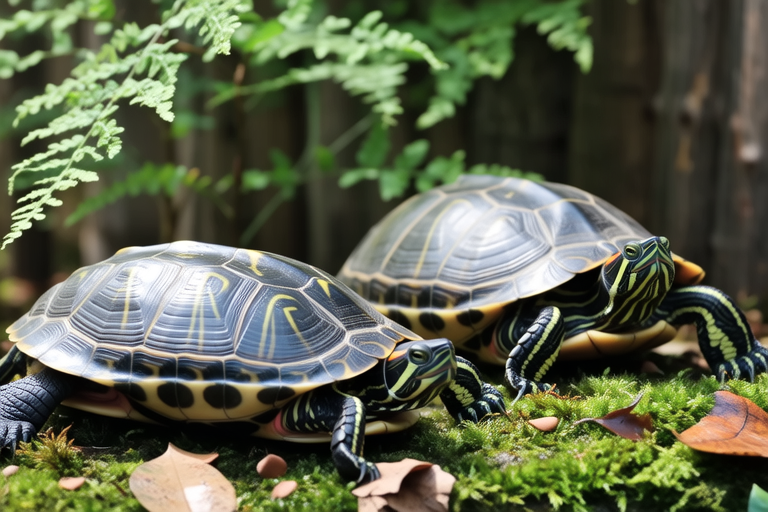
Transform Your Yard into a Paradise for Three-Striped Box Turtles
Three-striped box turtles (Terrapene carolina triunguis) are fascinating reptiles that can be a delightful addition to your backyard. These turtles are native to parts of the United States and are known for their distinctive three yellow stripes running down their heads. Creating a habitat for these turtles requires careful planning and attention to detail. This guide will help you transform your yard into a paradise for three-striped box turtles, ensuring they thrive in a natural and safe environment.
Understanding the Needs of Three-Striped Box Turtles
Before diving into habitat creation, it’s essential to understand the specific needs of three-striped box turtles. They are primarily terrestrial and require a mix of open areas, dense vegetation, and water features. Temperature, humidity, and diet are crucial factors in maintaining their health and well-being.
Temperature Preferences: Three-striped box turtles are ectothermic, meaning they rely on external sources to regulate their body temperature. They prefer temperatures between 75°F and 90°F during the day and cooler temperatures at night. Ensure your yard provides areas with both sun exposure and shade, allowing them to thermoregulate effectively.
Humidity Levels: These turtles need moderate humidity levels to maintain healthy skin and prevent dehydration. Aim for a relative humidity of around 60%. Incorporating water features and dense vegetation can help achieve this.
Dietary Requirements: A balanced diet is vital for the health of your turtles. In the wild, they eat a variety of insects, fruits, vegetables, and occasional carrion. Provide a mix of fresh produce, insects, and commercial turtle food. Ensure that any food offered is free from pesticides and other harmful chemicals.
Suitable Plants for Your Turtle Habitat
Selecting appropriate plants is crucial for creating a thriving environment for your three-striped box turtles. The right plants will provide shelter, food, and contribute to the overall aesthetics of the habitat.
Native Grasses and Wildflowers: Native plants are generally more beneficial for local wildlife. Choose grasses like switchgrass or little bluestem, which offer cover and nesting sites. Wildflowers such as coneflowers and black-eyed Susans attract pollinators, providing a natural food source for your turtles.
Fruit and Vegetable Plants: Planting fruit-bearing shrubs and vegetables can supplement your turtles’ diet. Berries, tomatoes, and squash are excellent choices. Ensure that these plants are pesticide-free and accessible to your turtles.
Dense Shrubs and Trees: Dense shrubs and trees provide essential cover and hiding spots. Opt for native species like dogwood or viburnum, which also produce edible fruits.
Water Features
Water is an integral part of a three-striped box turtle’s habitat. It provides hydration, a place to cool off, and a spot for turtles to soak and clean themselves.
Ponds and Puddles: Create shallow ponds or puddles where turtles can easily enter and exit. Ensure the water is clean and regularly changed to prevent bacterial growth. If possible, add a small waterfall or fountain to increase oxygenation.
Basking Areas: Provide basking areas near water bodies. Flat rocks or wooden platforms allow turtles to dry off and warm up after swimming. Ensure these areas are stable and safe for the turtles.
Hiding Spots and Shelter
Hiding spots and shelters are essential for the well-being of your turtles. They provide security and protection from predators and extreme weather conditions.
Logs and Rocks: Arrange logs and rocks to create natural hiding spots. Ensure they are stable and not too heavy for the turtles to move if needed.
Burrows: Encourage your turtles to dig burrows by providing loose soil or sand. You can also create artificial burrows using underground tunnels lined with soft substrate.
Shelters: Construct simple shelters using materials like wood or plastic. Ensure they have multiple entrances and exits to allow easy access for the turtles.
Environmental Safety Measures
Creating a safe environment for your turtles involves addressing potential hazards and ensuring their protection from predators and harsh weather.
Predator Protection: Fencing your turtle habitat can deter predators like raccoons, dogs, and birds. Use sturdy fencing material and bury the bottom edge to prevent digging.
Toxic Plants: Avoid planting toxic plants that could harm your turtles. Common garden plants like daffodils, lilies, and azaleas are toxic and should be avoided.
Pest Control: Minimize the use of chemical pesticides and herbicides in your yard. Organic pest control methods are safer for both your turtles and the environment.
Maintaining Health and Happiness
Regular care and maintenance are essential to ensure the health and happiness of your three-striped box turtles.
Regular Check-ups: Monitor your turtles’ health regularly. Look for signs of illness such as lethargy, weight loss, or unusual behavior. Consult a veterinarian specializing in reptiles if you notice any issues.
Cleanliness: Maintain cleanliness in their habitat. Regularly remove uneaten food, debris, and waste to prevent bacterial growth.
Supervision: Supervise your turtles when they are outside their enclosure. This ensures they are safe from predators and other dangers.
Conclusion
Transforming your yard into a paradise for three-striped box turtles requires careful planning and attention to detail. By understanding their specific needs and incorporating the right plants, water features, hiding spots, and safety measures, you can create a thriving and natural sanctuary for these fascinating reptiles. Remember, research and preparation are key to providing a healthy and happy home for your turtles. With dedication and care, you can enjoy the companionship of these unique creatures while contributing to their well-being and conservation.
