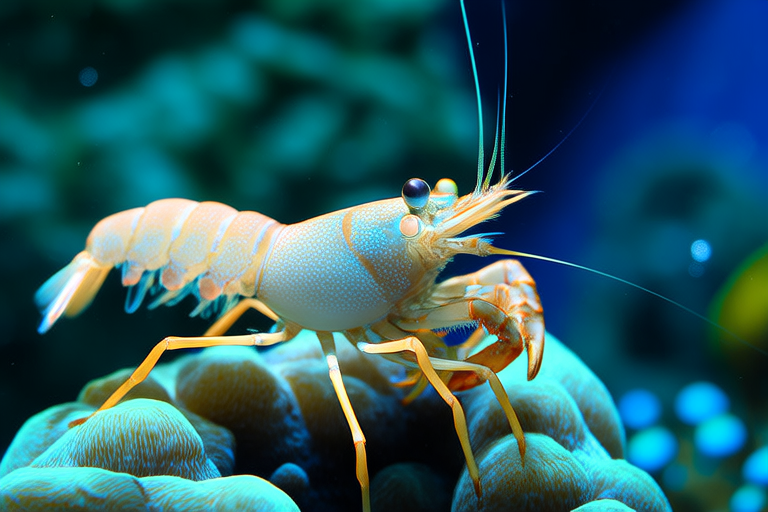
Top 10 Facts About Coral Shrimp You Never Knew
Coral shrimp, a fascinating group of crustaceans, inhabit tropical and subtropical waters around the world. These tiny creatures play crucial roles in their ecosystems, yet many people remain unaware of their unique behaviors, habitats, and adaptations. This article delves into ten lesser-known facts about coral shrimp, offering insights into their lives beneath the waves.
Fact 1: Diverse Species, Diverse Roles
Coral shrimp encompass several species, including the cleaner shrimp (Lysmata amboinensis) and the scarlet cleaner shrimp (Periclimenes magnificus). While both species are known for their cleaning behavior, they differ in their preferred habitats. Cleaner shrimp often reside in the open ocean, while scarlet cleaner shrimp are more commonly found within coral reefs. Each species has evolved specific traits that allow them to thrive in their respective environments, contributing to the overall health of marine ecosystems.
Fact 2: The Art of Cleaning
Coral shrimp are renowned for their cleaning behavior, where they remove parasites and dead tissue from larger fish. However, this process is more intricate than it seems. Cleaner shrimp perform a specialized dance to signal their readiness to clean a client fish. This dance involves rapid movements of the shrimp’s antennae and body, which helps avoid being mistaken for prey. Additionally, cleaner shrimp have been observed to exhibit selective feeding habits, preferring certain types of parasites over others.
Fact 3: Camouflage and Coloration
The vibrant colors of coral shrimp serve multiple purposes beyond mere aesthetics. Their hues help them blend into their surroundings, making them less visible to predators. For instance, the bright red coloration of scarlet cleaner shrimp acts as a warning signal to potential threats, indicating toxicity or unpalatability. Meanwhile, other species like the peppermint shrimp (Lysmata wurdemanni) have developed stripes that mimic the appearance of toxic flatworms, further enhancing their protection against predators.
Fact 4: Complex Social Structures
Coral shrimp live in complex social structures that vary depending on the species. Some species, such as the banded coral shrimp (Stenopus hispidus), are solitary and territorial, defending their space from intruders. Others, like the cleaner shrimp, form colonies that work together to maintain their cleaning stations. Within these colonies, there is a hierarchy based on size and experience, with larger individuals often taking leadership roles. This social organization ensures efficient resource allocation and defense against threats.
Fact 5: Adaptations for Survival
Coral shrimp have evolved remarkable adaptations to survive in their challenging marine environments. One such adaptation is their ability to regenerate lost limbs, which is particularly useful when escaping from predators. Additionally, some species can change their sex during their lifetime, a phenomenon known as sequential hermaphroditism. This flexibility allows coral shrimp populations to adapt quickly to changes in environmental conditions, ensuring their survival.
Fact 6: Symbiotic Relationships
Many coral shrimp engage in symbiotic relationships with other marine organisms. For example, the harlequin shrimp (Hymenocera picta) feeds exclusively on starfish, injecting venomous saliva to immobilize its prey before consuming it. This relationship is mutually beneficial, as the shrimp gains a reliable food source, and the starfish population remains controlled. Another notable symbiosis involves the peppermint shrimp, which cleans the gills of sea cucumbers, providing both parties with a cleaner environment.
Fact 7: Sensory Capabilities
Coral shrimp possess highly developed sensory organs that enable them to navigate their underwater world effectively. Their antennae are sensitive to chemical signals, allowing them to detect the presence of potential mates or threats. Additionally, some species have specialized eyes that can see ultraviolet light, helping them locate food sources and avoid predators. These sensory capabilities are crucial for the survival and reproduction of coral shrimp.
Fact 8: Reproduction and Parental Care
Coral shrimp reproduce through external fertilization, with females carrying eggs attached to their bodies until they hatch. During this period, the female provides parental care by fanning the eggs with her appendages to ensure proper oxygenation and prevent fungal infections. After hatching, the larvae drift in the water column before settling on the seafloor or coral reefs. This reproductive strategy ensures the next generation’s survival in a dynamic marine environment.
Fact 9: Impact on Coral Health
Coral shrimp play a vital role in maintaining the health of coral reefs. By removing algae and detritus, they help prevent coral bleaching and promote coral growth. Some species even assist in the recovery of damaged coral by facilitating the settlement of coral larvae. Without coral shrimp, coral reefs would be more susceptible to disease and degradation, highlighting the importance of preserving these small but significant creatures.
Fact 10: Threats and Conservation
Coral shrimp face numerous threats, including habitat destruction, pollution, and climate change. As coral reefs continue to decline due to rising sea temperatures and ocean acidification, so too do the populations of coral shrimp. Conservation efforts aimed at protecting coral reefs indirectly benefit these tiny crustaceans. By supporting marine protected areas and reducing carbon emissions, we can help ensure the survival of coral shrimp and the broader marine ecosystem.
Call to Action
Understanding the intricate lives of coral shrimp not only enriches our appreciation of marine biodiversity but also underscores the urgency of marine conservation. By learning more about these fascinating creatures and their habitats, you can become an advocate for sustainable practices that protect our oceans. Consider supporting organizations dedicated to marine conservation, participating in beach clean-ups, or simply spreading awareness about the importance of preserving our underwater worlds.
