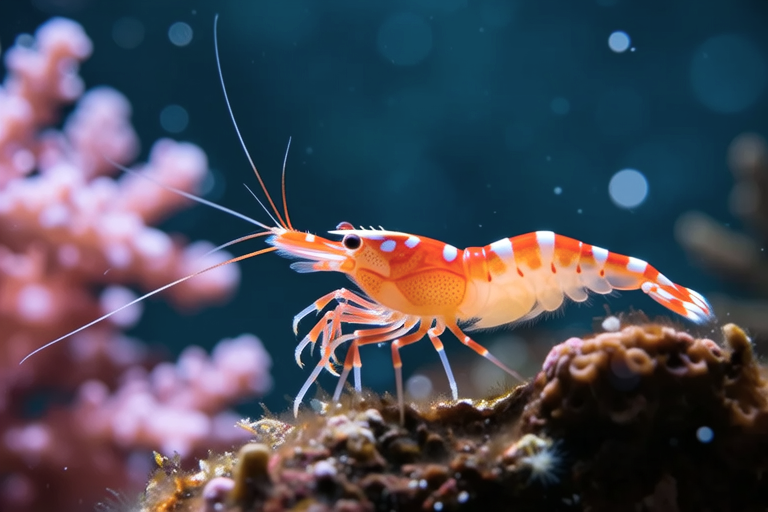
Coral Shrimp: The Hidden Beauties of Saltwater Aquariums
Welcome to the vibrant world of saltwater aquariums! Among the myriad creatures that can be found within these underwater paradises, coral shrimp stand out as hidden beauties. These fascinating crustaceans are not only visually captivating but also play crucial roles in maintaining the ecological balance of your tank. This article delves into the world of coral shrimp, exploring their unique appearances, essential care requirements, and the benefits they bring to your saltwater aquarium.
Introduction to Coral Shrimp Species
Several species of coral shrimp are popular among aquarists, each with its own distinct appearance and characteristics. One of the most commonly kept is the Bowtie Shrimp, named for its striking white bands that resemble a bow tie. Another favorite is the Blue Leg Shrimp, recognized by its vivid blue legs and red body. Additionally, the Scarlet Skunk Shrimp features two bold black stripes running down its back, adding a splash of color to any tank.
Coral shrimp are known for their small size, typically ranging from 1 to 2 inches (2.5 to 5 cm) in length. Their translucent bodies and intricate patterns make them perfect for showcasing the beauty of your aquarium. Not only do they enhance the visual appeal of your tank, but they also contribute to the overall health of the ecosystem by cleaning algae and detritus from live rock and corals.
The Role of Coral Shrimp in the Ecosystem
In the wild, coral shrimp are natural cleaners of reef environments. They feed on microorganisms, algae, and debris, helping to maintain the cleanliness and vitality of the reef. In your saltwater aquarium, they perform the same function, acting as miniature janitors. By consuming excess food particles and detritus, they prevent the buildup of harmful substances that could otherwise compromise water quality.
Moreover, coral shrimp are excellent scavengers, which means they help control populations of smaller organisms like bristle worms. While it’s important to ensure there are enough hiding spots for other inhabitants, the presence of coral shrimp can actually promote a balanced ecosystem. They are generally peaceful and non-aggressive, making them suitable companions for a wide range of tank mates.
Care Requirements for Coral Shrimp
Water Conditions
To keep coral shrimp healthy and thriving, it’s crucial to maintain optimal water parameters. These include:
- Temperature: Keep the water temperature between 72°F and 82°F (22°C to 28°C).
- pH Level: Maintain a pH level between 8.1 and 8.4.
- Specific Gravity: Aim for a specific gravity of 1.023 to 1.025.
- Air Circulation: Ensure adequate circulation and oxygenation through efficient filtration systems.
Regular testing and maintenance of these parameters will help create a stable environment for your coral shrimp. Additionally, performing regular water changes and monitoring for signs of stress or disease is essential for their well-being.
Diet
Coral shrimp are omnivores, feeding on a variety of foods in the wild. In captivity, they can thrive on a diet consisting of:
- Algae: Encourage the growth of beneficial algae on live rocks and decorations.
- Detritus: Provide a source of organic matter such as uneaten fish food or decaying plant material.
- Commercial Foods: Supplement their diet with high-quality frozen or freeze-dried foods designed for marine invertebrates.
Feeding coral shrimp appropriately ensures they remain active and healthy. It’s important not to overfeed, as excess food can lead to water quality issues. A varied diet supports their immune system and contributes to their vibrant colors.
Tank Mates
Selecting compatible tank mates is vital when keeping coral shrimp. They are generally peaceful and can coexist with various species. Suitable tank mates include:
- Peaceful Fish: Small, non-aggressive fish such as clownfish, gobies, and blennies.
- Hermit Crabs: Hermit crabs can be good tank mates as long as there are plenty of shells available for both species.
- Snails: Snails, especially those that feed on algae, complement the cleaning efforts of coral shrimp.
Avoid keeping coral shrimp with larger, more aggressive fish or invertebrates that may prey upon them. Additionally, ensure there are sufficient hiding spots and caves to provide shelter for the shrimp, especially during feeding times.
Tips for Beginners
If you’re new to keeping coral shrimp, here are some practical tips to get you started:
Introducing Coral Shrimp to Your Tank
When introducing coral shrimp to your aquarium, take the following steps:
- Quarantine: Always quarantine new shrimp for at least two weeks to monitor for any signs of illness.
- Acclimation: Gradually acclimate shrimp to your tank’s water parameters by floating the bag in the tank for about 20 minutes before releasing them.
- Observation: Monitor the shrimp closely for the first few days after introduction, ensuring they are adapting well to their new environment.
Maintaining Water Quality
Regular maintenance is key to keeping your coral shrimp happy and healthy:
- Water Changes: Perform partial water changes every week to remove accumulated toxins.
- Filtration: Use a high-quality filtration system to maintain water clarity and circulation.
- Monitoring: Regularly test water parameters and address any imbalances promptly.
Providing Hiding Spots
Coral shrimp feel secure when they have places to hide. Incorporate:
- Caves: Create caves using live rock or commercially available cave structures.
- Decorations: Add driftwood, corals, or artificial plants to offer additional hiding spots.
- Hiding Spots: Ensure there are enough hiding spots for all your shrimp to avoid overcrowding.
The Benefits of Keeping Coral Shrimp
There are numerous benefits to keeping coral shrimp in your saltwater aquarium:
Aesthetic Value
One of the primary reasons aquarists love coral shrimp is their striking appearance. Their bright colors and unique patterns add a touch of elegance to any tank. Whether you’re admiring their graceful movements or simply enjoying their presence, coral shrimp are sure to captivate your attention.
Contribution to Tank Health
As mentioned earlier, coral shrimp play a vital role in maintaining the health of your aquarium. By keeping the tank clean and free from excess debris, they contribute to the overall well-being of the ecosystem. Their scavenging behavior helps prevent the proliferation of harmful organisms, promoting a balanced and thriving environment.
Conclusion
Coral shrimp are truly hidden beauties of saltwater aquariums. With their unique appearances and important roles in the ecosystem, they are not only visually appealing but also beneficial for maintaining a healthy tank. By understanding their care requirements and providing a suitable environment, you can enjoy the company of these delightful creatures for years to come. Whether you’re a seasoned aquarist or just starting out, incorporating coral shrimp into your tank is sure to enhance both the aesthetics and the health of your underwater paradise.
