Living Large in a Small Package: Everything You Need to Know About Dutch Dwarf Rabbits
Dutch Dwarf rabbits are among the most popular pet rabbits due to their compact size, friendly nature, and charming appearance. These delightful creatures have captured the hearts of many animal lovers around the world. In this article, we will explore everything you need to know about Dutch Dwarf rabbits, from their origin and physical characteristics to their dietary needs, housing requirements, and grooming tips.
The Origins of Dutch Dwarf Rabbits
The Dutch Dwarf rabbit originated in Holland during the early 1900s. Breeders sought to create a small, docile rabbit with the classic Dutch color pattern. They achieved this by crossing several dwarf breeds, including the Netherland Dwarf and the Dutch rabbit. The result was the Dutch Dwarf, a breed recognized for its unique appearance and gentle temperament.
Physical Characteristics
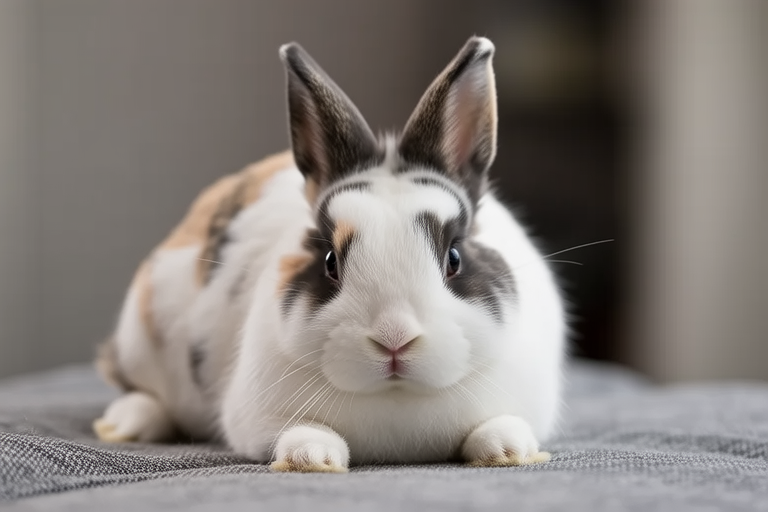
Dutch Dwarf rabbits are known for their compact size, typically weighing between 1.4 and 2 kilograms. Their bodies are rounded and sturdy, with short ears that stand erect. One of their most distinctive features is their coat, which comes in a variety of colors and patterns. The classic Dutch color pattern consists of a white body with colored ears, face, and tail, but there are also solid-colored varieties available.
Temperament
Dutch Dwarf rabbits are generally calm, friendly, and affectionate. They enjoy human interaction and can be quite playful. However, like all animals, individual personalities can vary. Some may be more outgoing, while others might be more reserved. Early socialization and positive reinforcement training can help ensure your Dutch Dwarf rabbit becomes a confident and well-adjusted companion.
Dietary Needs
Proper nutrition is essential for maintaining your Dutch Dwarf rabbit’s health and longevity. A balanced diet should consist of high-quality hay, fresh vegetables, and a limited amount of pellets. Timothy hay is often recommended as it aids digestion and supports dental health. Offer a variety of leafy greens such as romaine lettuce, spinach, and parsley. Avoid feeding your rabbit iceberg lettuce or other foods high in water content, as these can cause digestive issues.
Housing Requirements
Dutch Dwarf rabbits require a safe and comfortable living space. An indoor cage or hutch is ideal, providing protection from predators and harsh weather conditions. The cage should be large enough for your rabbit to stretch out, stand up on its hind legs, and move around comfortably. A minimum size of 36 inches long, 24 inches wide, and 20 inches tall is recommended. Additionally, provide soft bedding material like straw or shredded paper to make the environment cozy.
Grooming Tips
Grooming is an important aspect of rabbit care. Regular brushing helps remove loose fur and prevent hairballs. Use a soft-bristled brush to gently brush your rabbit’s coat, paying extra attention to areas where mats may form. Dutch Dwarf rabbits shed twice a year, so expect increased shedding during these periods. Bathing is rarely necessary unless your rabbit gets excessively dirty. If bathing is required, use a mild, rabbit-safe shampoo and thoroughly rinse to avoid skin irritation.
Common Health Issues
Like all animals, Dutch Dwarf rabbits are susceptible to certain health problems. Common issues include dental disease, respiratory infections, and gastrointestinal stasis. Dental problems can be prevented by providing plenty of hay and ensuring your rabbit has access to chew toys. Respiratory infections can be caused by poor ventilation or exposure to drafts. Gastrointestinal stasis occurs when food moves too slowly through the digestive tract. Symptoms include reduced appetite, lethargy, and changes in fecal output. Prompt veterinary care is crucial if any of these conditions are suspected.
Selecting and Caring for Your Dutch Dwarf Rabbit
When choosing a Dutch Dwarf rabbit, it’s important to select a reputable breeder who prioritizes the health and welfare of their animals. Look for signs of good health, such as clear eyes, clean ears, and a healthy coat. Spend time interacting with the rabbit to assess its temperament. Once you bring your new pet home, gradually introduce it to its new environment and establish a routine that includes regular feeding times, play sessions, and grooming.
Creating a bond with your Dutch Dwarf rabbit takes time and patience. Spend quality time together each day, offering treats and praise to reinforce positive behavior. Provide toys and activities to keep your rabbit mentally stimulated and physically active. Training your rabbit to use a litter box can also be beneficial, especially if you plan to allow it supervised access to parts of your home.
Conclusion
Dutch Dwarf rabbits are wonderful companions for those seeking a small, affectionate pet. By understanding their origins, physical characteristics, dietary needs, and housing requirements, you can provide your Dutch Dwarf rabbit with a happy and healthy life. With proper care and attention, these charming creatures will bring joy and companionship to your household for years to come.
