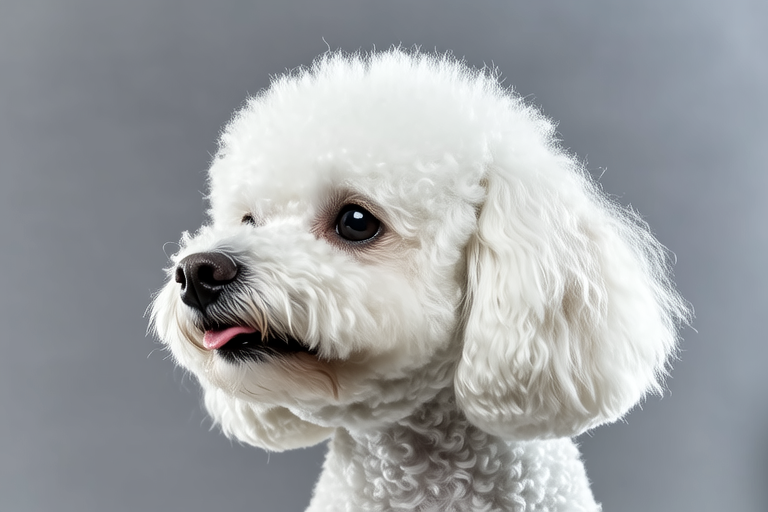
The Genetic Factors Behind the Poodle’s Curly Coat
The poodle is one of the most recognizable dog breeds in the world, known for its distinctive curly coat and intelligence. The breed has been selectively bred over centuries to enhance certain traits, including its unique fur. This article explores the genetic factors responsible for the poodle’s curly coat, provides historical context on breeding practices, discusses the benefits and challenges of owning a dog with hypoallergenic qualities, compares the poodle’s fur with other breeds, and offers tips for grooming and maintaining the health of the curly coat.
Genetic Factors Behind the Poodle’s Curly Coat
The poodle’s curly coat is primarily attributed to two genes: the recessive ‘C’ gene (curly hair) and the dominant ‘R’ gene (reduced shedding). These genes work together to produce the tight, springy curls that are characteristic of the breed. The ‘C’ gene is responsible for the formation of the tight, springy curls, while the ‘R’ gene reduces the amount of dander produced by the skin, making the poodle a popular choice for people with allergies.
Additionally, the poodle’s coat is composed of a high percentage of keratin, a protein that contributes to the strength and elasticity of the hair. This makes the poodle’s coat resistant to water, which is why poodles were originally bred as water retrievers. The combination of these genetic factors results in a coat that is both hypoallergenic and highly resilient, making the poodle an ideal companion for people with allergies or those who live in wet climates.
Historical Context on Breeding Practices
The poodle’s history dates back to the 15th century in Germany, where it was first bred as a water retriever. The breed was later refined in France, where it became a popular companion animal among the aristocracy. During this time, breeders focused on enhancing the poodle’s intelligence and trainability, as well as its distinctive appearance. The curly coat was considered an asset because it provided protection against the elements and made the poodle more attractive to potential owners.
Over time, breeders began to selectively breed poodles for specific traits, including the tight, springy curls that are characteristic of the breed today. This selective breeding process involved carefully choosing dogs with desirable traits, such as curly coats, and breeding them together to produce offspring with similar characteristics. By doing so, breeders were able to enhance the poodle’s distinctive appearance and make it a popular choice among dog enthusiasts.
Benefits and Challenges of Owning a Dog with Hypoallergenic Qualities
Owning a poodle can be a great option for people with allergies, as the breed produces less dander than other dogs. However, there are some challenges associated with owning a dog with a hypoallergenic coat. For example, poodles require regular grooming to maintain their coat’s health and appearance. Failure to groom the poodle regularly can lead to matting, which can cause discomfort for the dog and may require professional intervention to resolve.
Another challenge is that poodles are highly intelligent and require mental stimulation to stay happy and healthy. Without proper mental and physical exercise, poodles can become bored and destructive. Additionally, poodles are prone to certain health conditions, such as hip dysplasia and Addison’s disease, which can affect their quality of life. Prospective owners should be aware of these challenges and be prepared to provide the necessary care and attention to ensure their poodle remains healthy and happy.
Comparisons with Other Breeds
The poodle’s curly coat is unique among dog breeds, but there are other breeds with similar characteristics. For example, the bichon frise and the Portuguese water dog also have curly coats and are considered hypoallergenic. However, the poodle’s coat is denser and more tightly curled than that of the bichon frise or the Portuguese water dog. This makes the poodle’s coat more resistant to water and better suited for outdoor activities.
In addition, the poodle is one of the few breeds that comes in three different sizes: standard, miniature, and toy. This allows prospective owners to choose a poodle that fits their lifestyle and living space. While other breeds, such as the Maltese or the Shih Tzu, also come in small sizes, they lack the intelligence and trainability of the poodle. This makes the poodle an excellent choice for families looking for a smart, trainable companion that can adapt to various environments.
Tips for Grooming and Maintaining the Health of the Curly Coat
Grooming is essential for maintaining the health and appearance of the poodle’s curly coat. Regular brushing and bathing are necessary to prevent matting and keep the coat clean and healthy. It is recommended that owners brush their poodle’s coat daily to remove loose hair and prevent tangles. In addition, owners should bathe their poodle every four to six weeks, depending on the dog’s activity level and environment.
To prevent matting, owners should pay special attention to areas of the coat that are prone to tangling, such as behind the ears and under the legs. Using a slicker brush or a wide-toothed comb can help remove tangles without causing discomfort for the dog. In addition, owners should trim their poodle’s nails regularly to prevent overgrowth and discomfort.
It is also important to provide the poodle with a balanced diet that supports healthy skin and coat. Omega-3 fatty acids, found in fish oil and flaxseed, can help improve the condition of the poodle’s coat and reduce shedding. Owners should consult with their veterinarian to determine the appropriate diet for their poodle and ensure that it receives all the necessary nutrients for optimal health.
Conclusion
The poodle’s distinctive curly coat is the result of centuries of selective breeding and genetic factors that enhance its resilience and hypoallergenic qualities. While owning a poodle can be a rewarding experience, it requires regular grooming and mental stimulation to ensure the dog remains healthy and happy. By understanding the genetic factors behind the poodle’s coat and providing proper care, owners can enjoy the many benefits of this intelligent and affectionate breed.
