Chilean Rose Tarantula Myths Debunked: Separating Fact from Fiction
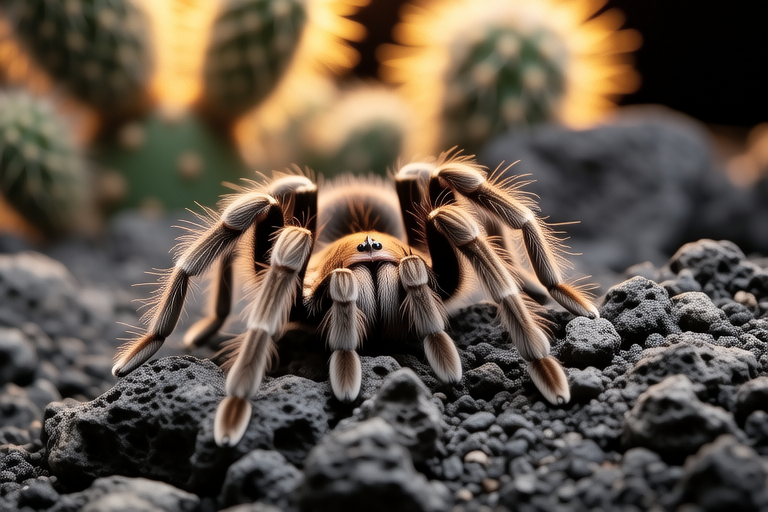
The Grammostola rosea, commonly known as the Chilean rose tarantula, is one of the most popular choices among arachnid enthusiasts. This spider is named after its native region in Chile, and its distinct pinkish hue that gives it a rose-like appearance. With an average leg span of about 4 to 6 inches, the Chilean rose tarantula is relatively small compared to other tarantula species. Its body is covered in fine hairs, which help it to detect vibrations and potential threats in its environment. The Chilean rose tarantula thrives in dry, arid regions, particularly the desert and scrublands of northern Chile.
Popular Myths Surrounding the Chilean Rose Tarantula
Myth 1: Chilean Rose Tarantulas Are Deadly to Humans
One of the most pervasive myths about tarantulas is that they are highly dangerous to humans. Many people believe that a bite from a Chilean rose tarantula could be fatal. However, this belief is largely unfounded. According to Dr. Rick West, an arachnologist at the California Academy of Sciences, the venom of the Chilean rose tarantula is mild and primarily used to subdue prey. While a bite can cause localized pain and swelling, similar to a bee sting, it is not life-threatening to humans. In fact, tarantulas have more to fear from us than we do from them. They will only bite in self-defense when provoked or mishandled.
Myth 2: Chilean Rose Tarantulas Require Difficult Care
Another common misconception is that owning a Chilean rose tarantula requires extensive expertise and challenging care routines. Contrary to this belief, these spiders are relatively easy to care for, making them ideal for beginners in the exotic pet community. Their diet consists mainly of crickets, mealworms, and occasional dubia roaches, all of which are readily available in pet stores. Temperature and humidity levels are also simple to maintain; a warm, dry environment mimicking their natural habitat is sufficient. Regular feeding and cleaning of the enclosure are the primary responsibilities, ensuring a healthy and comfortable living space for your pet.
Myth 3: Chilean Rose Tarantulas Are Aggressive Creatures
Many people associate tarantulas with aggression due to their intimidating appearance and the stories they’ve heard. The Chilean rose tarantula, however, is generally docile and not prone to aggressive behavior. When handled correctly and gently, these spiders rarely bite. Their first line of defense is usually to flick urticating hairs from their abdomen, which can irritate the skin or eyes of a predator. This behavior is more of a defensive mechanism rather than an aggressive act. Experts recommend that owners familiarize themselves with the proper handling techniques to ensure a positive interaction with their pet.
Tips for Responsible Ownership
If you’re considering bringing a Chilean rose tarantula into your home, there are several key points to keep in mind:
- Proper Housing: Provide a terrarium with appropriate dimensions, substrate, and hiding spots. A 10-gallon tank is usually sufficient for an adult. Use a mix of coconut fiber and sand as substrate to mimic their natural environment.
- Feeding: Feed your tarantula appropriately sized insects twice a week. Ensure the insects are gut-loaded with nutritious food before offering them to your pet.
- Handling: Handle your tarantula with care and only when necessary. Always support the spider’s body and legs to prevent injury.
- Health Monitoring: Regularly check for any signs of illness or distress, such as refusal to eat, unusual movements, or changes in coloration. Consult a veterinarian specializing in exotic animals if you notice any concerning symptoms.
The Importance of Accurate Understanding
Accurately understanding the Chilean rose tarantula is crucial for promoting their welfare and educating the public. By dispelling myths and providing factual information, we can encourage responsible ownership and appreciation for these fascinating creatures. Knowledgeable pet owners are better equipped to provide the care these spiders need, leading to healthier and happier pets. Furthermore, accurate portrayal of tarantulas in media and literature can help reduce misconceptions and foster a more positive perception of these misunderstood animals.
In conclusion, the Chilean rose tarantula is a captivating and low-maintenance pet that has been unfairly maligned by myths and misconceptions. By separating fact from fiction, we can appreciate these remarkable creatures for what they truly are – gentle, intriguing, and deserving of our respect and care. Whether you’re a seasoned arachnid enthusiast or simply curious about exotic pets, taking the time to learn about the Chilean rose tarantula can lead to a rewarding and educational experience.
