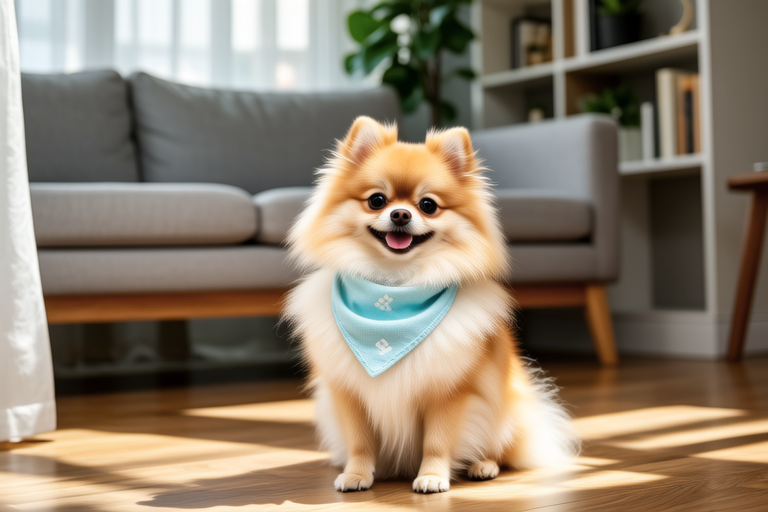
Raising a Happy and Healthy Pomeranian: Insider Tips from Expert Pet Parents
Welcome to the world of Pomeranians! These adorable, fluffy companions have been capturing hearts for centuries. As a pet parent, you want nothing but the best for your furry friend. This article will provide you with expert advice on how to raise a happy and healthy Pomeranian, covering nutrition, exercise, grooming, training, and common health issues. We’ll also share practical tips for socializing, bonding, and ensuring the emotional well-being of these delightful dogs.
Nutrition: Fueling Your Pomeranian’s Energy
Proper nutrition is key to maintaining your Pomeranian’s health. Dr. Emily Carter, a veterinarian specializing in small breed dogs, emphasizes the importance of a balanced diet. “Pomeranians are prone to obesity,” she says. “It’s crucial to feed them high-quality, protein-rich dog food that meets their nutritional needs without overfeeding.” A good rule of thumb is to feed your Pomeranian approximately 1/4 cup of dry food twice daily, adjusting the amount based on your dog’s activity level and weight.
Many owners opt for grain-free or limited ingredient diets to avoid potential allergens. Sarah Thompson, a seasoned Pomeranian owner, shares her experience. “My Pom had chronic ear infections until I switched to a grain-free diet. The change was remarkable!” she says. Always consult with your veterinarian before making significant changes to your dog’s diet.
Exercise: Keeping Your Pomeranian Fit and Active
Despite their small size, Pomeranians require regular exercise to maintain their physical and mental health. Dr. Carter recommends at least 30 minutes of daily activity, including walks, playtime, and indoor games. “Poms are full of energy,” she explains. “They need outlets to release it, or they may become restless and destructive.”
Sarah Thompson adds, “I take my Pom for two 15-minute walks every day. She loves chasing after toys in the park and playing fetch. It keeps her happy and mentally stimulated.”
In addition to structured exercise, providing mental stimulation is equally important. Puzzle toys, interactive games, and obedience training can help keep your Pomeranian engaged and prevent boredom-related behaviors like chewing or barking.
Grooming: Maintaining Your Pomeranian’s Fluffy Coat
Pomeranians are known for their luxurious double coats, which require regular grooming to stay healthy and beautiful. Lisa Martinez, a professional groomer, advises brushing your Pomeranian’s coat at least three times a week to prevent matting and tangling. “Use a slicker brush to remove loose fur and prevent shedding,” she suggests. “This also helps distribute natural oils throughout the coat, keeping it shiny and healthy.”
Bathing is necessary but should be done sparingly to avoid stripping the coat of its natural oils. “Every four to six weeks is usually sufficient,” says Lisa. “Always use a gentle, pH-balanced shampoo designed for dogs.”
Trimming nails and cleaning ears and teeth are essential parts of grooming as well. “Regular nail trims prevent overgrowth and discomfort,” Lisa notes. “And don’t forget about dental hygiene; brushing your Pom’s teeth weekly can prevent gum disease and bad breath.”
Training: Building a Strong Bond with Commands
Training is vital for establishing a strong bond with your Pomeranian and teaching them proper behavior. Positive reinforcement techniques, such as treats and praise, work best with this sensitive breed. “Consistency is key,” advises Dr. Carter. “Reward your Pom immediately after they perform the desired behavior, so they associate the action with the reward.”
Basic commands like ‘sit,’ ‘stay,’ and ‘come’ are essential for safety and control. Sarah Thompson shares a personal anecdote. “Teaching my Pom the ‘come’ command saved her life. One day, she darted out into the street, but she stopped when I called her name. Training her to respond to that command was one of the smartest things I did.”
Advanced training, such as agility or obedience competitions, can also be rewarding. “Participating in dog sports has brought us closer,” says Lisa Martinez. “It’s a great way to challenge your Pom mentally and physically while having fun together.”
Common Health Issues: Staying Ahead of Potential Problems
Pomeranians are generally healthy dogs, but they are prone to certain health issues. Dr. Carter highlights some common concerns. “Patellar luxation, a condition where the kneecap dislocates, is relatively common in small breeds,” she explains. “Symptoms include lameness or reluctance to bear weight on the affected leg. Early intervention is crucial.”
Another prevalent issue is hypothyroidism, a condition where the thyroid gland doesn’t produce enough hormones. “Symptoms include weight gain, lethargy, and skin problems,” Dr. Carter says. “Regular check-ups and blood tests can help detect and manage this condition.”
Preventive care is essential for maintaining your Pomeranian’s health. “Annual vet visits, vaccinations, and parasite prevention are non-negotiable,” Dr. Carter advises. “Early detection and treatment of health issues can make a significant difference in your Pom’s quality of life.”
Socializing: Fostering Positive Interactions
Socialization is crucial for helping your Pomeranian develop into a well-adjusted adult dog. “Expose your Pom to various environments, people, and other animals from a young age,” Dr. Carter recommends. “Positive experiences during this critical period can reduce fearfulness and aggression later in life.”
Sarah Thompson recalls her socialization journey. “We started taking our Pom to puppy classes when she was just a few months old. She met other dogs, learned basic commands, and became more confident. Now, she’s comfortable around strangers and enjoys meeting new friends.”
It’s important to note that socialization should be positive and stress-free. Avoid overwhelming your Pom with too many new experiences at once. Gradual exposure allows them to acclimate comfortably.
Bonding: Strengthening Your Relationship
Bonding with your Pomeranian is essential for their emotional well-being. “Quality time spent together strengthens the bond between you and your dog,” Dr. Carter says. “Engage in activities your Pom enjoys, whether it’s playing fetch, going for walks, or simply cuddling on the couch.”
Lisa Martinez shares her favorite bonding activity. “We love hiking together. My Pom gets to explore nature, and we get to spend quality time together. It’s a win-win situation!”
Building trust is also vital for a strong relationship. “Be patient and consistent in your interactions,” Dr. Carter advises. “Your Pomeranian will learn to trust you, making your bond even stronger.”
Ensuring Emotional Well-Being
Pomeranians are highly affectionate and thrive on human interaction. “Make sure your Pom gets plenty of attention and affection,” Dr. Carter says. “These dogs are very attached to their owners and can become anxious or depressed if left alone for long periods.”
To prevent separation anxiety, gradually accustom your Pom to being alone. “Start by leaving your Pom alone for short periods and gradually increase the duration,” Dr. Carter suggests. “Provide them with toys or puzzle feeders to keep them occupied and distracted.”
Providing a safe and comfortable environment is also essential for your Pom’s emotional well-being. “Create a cozy space for your Pom where they can retreat when they need some quiet time,” Dr. Carter says. “A soft bed, blanket, and favorite toy can go a long way in making them feel secure.”
Conclusion: Celebrating Your Journey Together
Raising a happy and healthy Pomeranian requires dedication, patience, and love. By following the expert advice provided in this article, you can ensure that your furry companion enjoys a fulfilling and joyful life. Remember, each Pomeranian is unique, and what works for one may not work for another. Stay open-minded and flexible in your approach, and always consult with your veterinarian if you have any concerns.
Embrace the journey of raising a Pomeranian, and cherish the moments spent together. With proper care and attention, your Pomeranian will bring years of joy and companionship into your life.
